


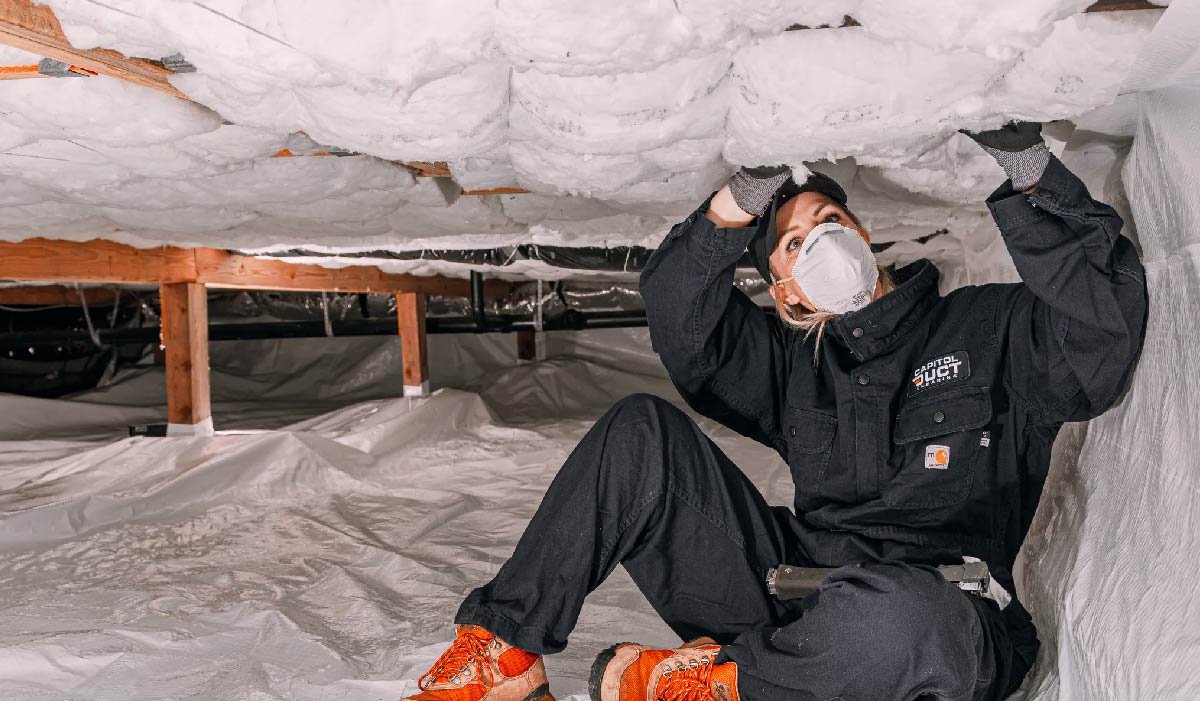
A crawlspace is an important part of a property even though it is rarely seen or used as a conventional living area. It can contain plumbing lines, electrical components, ductwork, structural supports, insulation, and other systems that contribute to the performance of the building above. Because crawlspaces are located below the main structure and often have limited ventilation, they can be vulnerable to moisture, humidity, condensation, soil gases, pests, unpleasant odors, and temperature changes. When these conditions remain unresolved, they may affect the materials inside the crawlspace and potentially influence comfort and indoor air conditions throughout the property. A properly protected crawlspace can help reduce these risks by creating a cleaner and more controlled environment. Encapsulation is one approach used to manage moisture and improve the condition of below-floor spaces. Understanding how crawlspace encapsulation works, why moisture control matters, and how regular maintenance supports long-term performance can help property owners make informed decisions about protecting this often-overlooked part of the building.
Understanding the Purpose of a Crawlspace
Crawlspaces are commonly designed to provide access beneath a structure while keeping the main floor elevated above the ground. Although their primary purpose may be structural access and utility accommodation, their condition can influence the broader performance of the property. Moisture from the surrounding soil can enter the space as water vapor, while outdoor humidity can enter through vents and openings. Condensation may form on cooler surfaces when humid air comes into contact with pipes, ducts, foundation walls, or other materials. Over time, persistent moisture can contribute to wood deterioration, insulation problems, unpleasant odors, and conditions that support mold growth. The crawlspace can also become a pathway through which odors and humid air move into upper areas of the property. Because many homes rely on the stack effect and natural air movement between different sections of the building, conditions below the floor should not be considered completely isolated from the living environment. Maintaining a dry and controlled crawlspace can therefore be an important component of comprehensive property maintenance.
Why Moisture Is a Major Crawlspace Concern
Moisture is one of the most common challenges associated with crawlspaces, and controlling it can significantly improve the condition of the area. Water may enter from several sources, including groundwater, surface runoff, plumbing leaks, foundation seepage, condensation, and moisture rising from exposed soil. Even when there is no visible standing water, water vapor can create elevated humidity levels that affect wood, insulation, and other materials. Persistent dampness can encourage microbial growth and may produce musty odors that spread beyond the crawlspace. Moisture can also affect the performance of insulation and contribute to corrosion of certain metal components. If the crawlspace contains wooden structural elements, prolonged exposure to damp conditions can increase the risk of deterioration. For these reasons, crawlspace moisture should be addressed as part of a broader moisture-management strategy rather than treated as an isolated inconvenience. Identifying the source of moisture and controlling it before installing protective materials is particularly important because encapsulation is most effective when the underlying water problem has been properly evaluated.
What Crawlspace Encapsulation Involves
Crawlspace encapsulation generally involves creating a sealed barrier between the interior of the crawlspace and the surrounding soil and humid outdoor environment. The process may include installing a durable vapor barrier over exposed soil, extending protective materials across appropriate surfaces, sealing seams and penetrations, and addressing areas where outside air or moisture can enter. Depending on the property’s conditions, additional measures may be recommended to control drainage, groundwater, humidity, or air movement. The goal is to create a more controlled environment rather than simply covering the floor with a sheet of material. Professional installation is important because gaps, loose seams, unsealed penetrations, and improperly handled edges can reduce the effectiveness of the system. The specific design should account for the construction of the crawlspace, moisture sources, drainage conditions, accessibility, and the materials already present. A properly planned system can help reduce moisture movement and make the crawlspace easier to maintain over time.
Benefits of a Controlled Crawlspace
A protected crawlspace can provide several benefits that extend beyond the space itself. Reducing moisture exposure can help protect structural wood components, insulation, ductwork, pipes, and other building systems located below the floor. A cleaner environment may also reduce unpleasant odors and create more manageable conditions for future inspections or maintenance. By controlling moisture and reducing uncontrolled air movement, encapsulation can contribute to a more consistent environment beneath the living areas. This can be particularly useful when the crawlspace has historically experienced dampness, condensation, or musty smells. A well-maintained crawlspace may also make it easier to identify plumbing leaks, pest activity, insulation problems, or other developing issues because the space is cleaner and more accessible. While encapsulation is not a universal solution for every foundation or moisture problem, it can form an important part of a comprehensive approach when the conditions of the crawlspace make moisture control necessary.
Protecting Structural Components
Many crawlspaces contain important structural elements that should be protected from prolonged exposure to moisture. Floor joists, beams, support posts, and other wooden components can be affected by damp environmental conditions. Wood naturally interacts with surrounding humidity, and repeated exposure to excessive moisture can contribute to deterioration over time. Keeping the crawlspace environment drier can help reduce one of the conditions that may contribute to these problems. However, encapsulation should not be used to hide existing damage. If wood already shows signs of deterioration, professional inspection may be necessary before protective materials are installed. Existing leaks, drainage problems, or other moisture sources should also be addressed. A complete crawlspace strategy considers both the condition of the structural components and the environmental factors affecting them. By combining inspection, moisture control, and appropriate protective measures, property owners can support the long-term performance of the structure rather than simply treating the visible symptoms.
Improving Air Quality Conditions
Although a crawlspace is not normally considered part of the living environment, air from below the floor can influence the conditions inside the property. Small gaps around plumbing lines, electrical penetrations, floor openings, vents, and other connections can allow crawlspace air to move upward. If that air carries excessive humidity, musty odors, or contaminants, it may affect the perceived quality of the indoor environment. Controlling moisture and reducing uncontrolled air movement can help create a cleaner environment beneath the living areas. It is important to understand that encapsulation alone does not guarantee improved indoor air quality because other sources of indoor contaminants may exist. However, reducing moisture and improving separation between the crawlspace and occupied areas can support a broader indoor-environment strategy. Proper sealing should therefore focus on appropriate penetrations and openings while maintaining necessary access for utilities and inspections.
The Relationship Between Drainage and Encapsulation
Encapsulation should generally be considered alongside drainage because a barrier cannot eliminate the need to manage significant water intrusion. If groundwater enters the crawlspace, surface runoff flows toward the foundation, or plumbing leaks create standing water, those issues should be identified and corrected. Depending on the property, solutions may include drainage improvements, sump systems, grading adjustments, plumbing repairs, or other moisture-control measures. Once sources of liquid water are managed, encapsulation can help address water vapor and humidity that continue to affect the space. This combination creates a more comprehensive approach to crawlspace protection. Installing a vapor barrier without addressing ongoing water intrusion may leave the underlying problem unresolved and could create additional maintenance concerns. Professional evaluation can help determine which components are needed based on the actual conditions present in the crawlspace.
Insulation and Temperature Management
Temperature can also influence crawlspace conditions, especially when ducts, pipes, or floor assemblies are located within the space. A crawlspace that is exposed to uncontrolled outdoor air may experience significant temperature fluctuations throughout the year. These changes can affect condensation, comfort, and the performance of certain building components. Depending on the construction and design of the property, insulation may be incorporated into a broader crawlspace improvement strategy. The appropriate placement of insulation depends on whether the crawlspace is vented or sealed and how the foundation and floor assemblies are configured. Poorly installed insulation can absorb moisture, become displaced, or lose effectiveness, so the condition of existing insulation should be considered before additional materials are installed. A comprehensive assessment can help determine whether insulation, air sealing, humidity control, or other measures are appropriate for the crawlspace.
Signs That a Crawlspace Needs Attention
Property owners should watch for warning signs that indicate the crawlspace may have moisture or environmental problems. Musty odors, visible condensation, damp soil, standing water, wet insulation, mold-like growth, wood discoloration, pest activity, and unusually high humidity can all justify further investigation. Homeowners may also notice uneven floors, unexplained odors inside the property, or deterioration of materials located near the crawlspace. These symptoms do not always have a single cause, so it is important to investigate the entire environment rather than assuming that one repair will resolve everything. A plumbing leak, drainage problem, groundwater issue, ventilation condition, or foundation-related moisture pathway may need to be corrected before protective measures are installed. Regular inspections are especially useful because crawlspaces are often overlooked until a significant problem becomes noticeable. Catching moisture concerns earlier can make it easier to protect structural materials and prevent unnecessary deterioration.
Professional Installation and Long-Term Performance
The quality of installation has a major influence on how well an encapsulation system performs. Protective barriers should be installed carefully, seams should be appropriately secured and sealed, and penetrations should be addressed so that unnecessary pathways for moisture and air are minimized. The material should also be installed in a way that accommodates the shape and construction of the crawlspace. Areas around support columns, walls, access openings, plumbing lines, and other obstacles require careful attention. Professional installers can evaluate these details while also identifying conditions that may affect the long-term performance of the system. Once installed, the encapsulated crawlspace should still be inspected periodically. Property owners should watch for leaks, damaged barriers, changes in humidity, pest activity, or other conditions that could affect the system. Maintenance does not end when the installation is complete; ongoing observation helps preserve the benefits of the investment.
Choosing the Right Crawlspace Protection Strategy
Every crawlspace has different construction characteristics and moisture conditions, so the appropriate protection strategy should be based on an evaluation of the specific property. Some crawlspaces may require primarily vapor control, while others may need drainage improvements, sump systems, insulation, air sealing, or repairs to existing foundation moisture problems. In some cases, several measures may need to be coordinated to create a stable environment. Crawlspace encapsulations can provide an effective way to control moisture movement when they are properly designed and installed as part of a broader crawlspace strategy. Before beginning work, property owners should understand what moisture sources have been identified, which materials will be installed, how seams and penetrations will be handled, and what maintenance will be required afterward. Clear planning can help ensure that the finished system addresses the actual needs of the crawlspace rather than simply providing a surface-level solution.
Maintaining an Encapsulated Crawlspace
Once a crawlspace has been encapsulated, routine maintenance remains important for protecting the system and the surrounding structure. Property owners should periodically inspect accessible areas for signs of water intrusion, damaged barrier materials, plumbing leaks, condensation, or unusual odors. Mechanical equipment such as dehumidifiers, if used, should be maintained according to the manufacturer’s recommendations. Drainage systems and sump equipment should also be checked to ensure that they remain operational. Access to the crawlspace should be kept available so that plumbing, electrical, structural, and HVAC components can be inspected when necessary. If a barrier becomes torn or detached, it should be evaluated and repaired rather than left damaged. Regular maintenance can help preserve the controlled environment created during installation and provide an opportunity to identify new moisture sources before they cause extensive problems.
Supporting Long-Term Property Protection
Protecting a crawlspace is ultimately about protecting the larger property. Moisture, humidity, poor drainage, and uncontrolled air movement can affect materials below the floor and potentially influence conditions above it. A well-planned moisture-management strategy can help reduce these risks while making the crawlspace cleaner, more accessible, and easier to maintain. Crawlspace encapsulations can be particularly useful when property owners want to establish a stronger barrier against soil moisture and humid environmental conditions, but the system should be supported by appropriate drainage, repairs, inspections, and maintenance when needed. Taking a comprehensive approach helps ensure that the crawlspace is not treated as an isolated space but as an important component of the building’s overall performance. With proper planning and professional attention, homeowners can create a more stable environment that supports the condition of structural materials and building systems for the long term.
Conclusion
A crawlspace may be hidden from everyday view, but its condition can have an important relationship with the durability, comfort, and moisture performance of the property. Persistent humidity, groundwater, condensation, poor drainage, and uncontrolled air movement can create conditions that affect structural materials and other systems located below the living areas. Effective protection begins with identifying moisture sources and evaluating the condition of the crawlspace before selecting an appropriate solution. Encapsulation, drainage improvements, insulation, air sealing, and ongoing maintenance can work together to create a cleaner and more controlled environment.Crawlspace encapsulations are most effective when they are properly designed for the property’s specific conditions and maintained after installation. By giving this hidden area the same level of attention as other parts of the property, homeowners can take meaningful steps toward reducing moisture-related risks and supporting long-term structural protection.
