


Introduction
Creating a cozy and inviting living space begins with thoughtful design choices that balance comfort, functionality, and visual appeal. A well-designed home provides a welcoming environment where family members can relax, spend quality time together, and enjoy everyday activities. Furniture, lighting, wall colors, flooring, and decorative features all contribute to the overall atmosphere, but certain architectural elements can make an especially noticeable difference. A fireplace, for example, can become a natural focal point that adds warmth, character, and elegance to a room while complementing a wide range of interior design styles.Homeowners who want to introduce this feature should consider the available space, preferred appearance, heating requirements, and installation limitations before selecting a model. Professional fireplace installation can help ensure that the chosen appliance fits the home properly and meets the manufacturer’s specifications and applicable safety requirements. From traditional wood-burning designs to modern gas and electric models, there are numerous options to explore. Understanding the planning process, material choices, safety considerations, and maintenance requirements can help homeowners create a comfortable interior that remains attractive and practical for years.
Understanding the Importance of a Comfortable Living Space
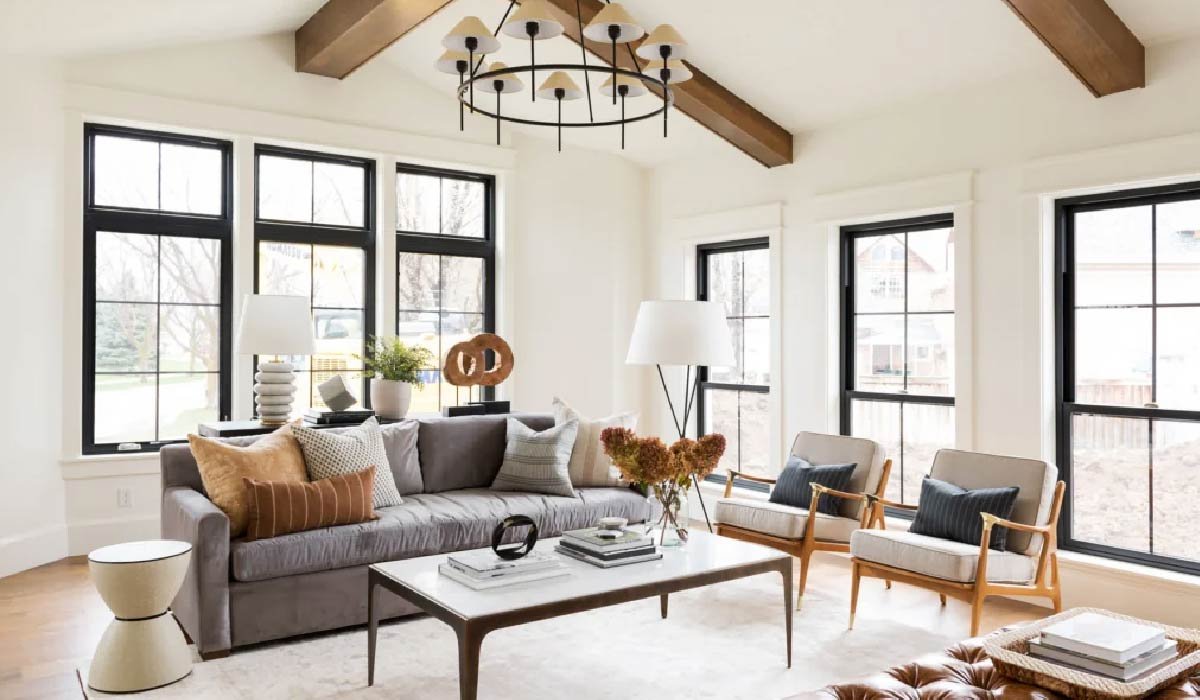
A comfortable living space supports relaxation while reflecting the personality and preferences of the people who use it. The arrangement of furniture, amount of natural light, choice of colors, and placement of decorative features can all influence how a room feels. Soft furnishings, comfortable seating, and a balanced layout can make the environment more welcoming without requiring extensive renovations. Homeowners should begin by identifying the primary purpose of each room and determining which improvements would provide the greatest benefit to everyday living.Adding a fireplace can further enhance the atmosphere by creating a distinctive visual centerpiece. Its design may complement traditional interiors with detailed woodwork and classic materials or support a contemporary appearance through clean lines and simple finishes. Depending on the selected appliance, it may also provide supplemental heating during colder periods. However, the fireplace should fit naturally within the room rather than overpowering other features. Considering its size, placement, and relationship to surrounding furniture helps create an interior that feels balanced, inviting, and functional.
Exploring Different Fireplace Styles
Traditional fireplaces remain popular because they provide a timeless appearance that works well with many interior designs. Brick surrounds, natural stone finishes, decorative mantels, and classic proportions can create a sense of warmth and character. These designs may suit homeowners who appreciate traditional architecture or want to introduce a distinctive focal point into a family room. Wood-burning models can offer the familiar appearance and atmosphere of a real wood fire, although they require suitable venting, regular maintenance, and responsible operation.Contemporary fireplaces offer a different approach, often emphasizing streamlined shapes, minimal decoration, and carefully selected materials. Linear gas fireplaces, recessed electric models, and simple stone surrounds can complement modern furniture and open-plan layouts. Some designs extend across a large section of a wall, while others use a compact format to preserve space in smaller rooms. When choosing a style, homeowners should consider the proportions of the room, the existing architectural details, and the intended role of the fireplace. A coordinated design can improve the interior without making it feel crowded or visually inconsistent.
Choosing the Right Fireplace for Your Needs
Selecting an appropriate fireplace begins with determining whether the main goal is decorative appeal, supplemental heating, or a combination of both. Wood-burning fireplaces provide a traditional experience, but they require fuel storage, ash removal, and regular chimney maintenance. Gas fireplaces offer convenient operation and controllable flames, while electric models can provide attractive visual effects with fewer structural requirements in many installations. Each option has different operating costs, installation needs, and performance characteristics, so homeowners should compare the available products carefully before making a decision.The size of the room and the home’s existing infrastructure are equally important. A large appliance may produce too much heat for a compact space, while a smaller model may not meet the intended heating requirements of a larger room. Gas systems may require a suitable fuel connection and approved venting, while wood-burning units need an appropriate chimney or manufacturer-approved venting arrangement. Electric models require a compatible power supply and adequate ventilation around the appliance where specified. During fireplace installation, these factors must be assessed alongside the structural conditions and required clearances to help ensure that the selected unit is suitable for the home.
Selecting Materials for an Attractive Fireplace Surround
The fireplace surround can influence the entire appearance of a living room, making material selection an important part of the design process. Natural stone offers distinctive textures and variations in color that can create a sophisticated or rustic appearance. Brick can provide a traditional finish, while suitable tiles offer opportunities to introduce geometric patterns, contrasting colors, or smooth contemporary surfaces. Concrete and manufactured stone products can also complement modern interiors when selected for the intended application. The right material should coordinate with the walls, flooring, furniture, and other architectural details.It is essential to distinguish decorative materials from components that must withstand direct heat. Not every stone, tile, adhesive, sealant, or construction product is suitable for use near a fireplace opening. The appliance manufacturer’s instructions should determine which materials are acceptable and what clearances must be maintained. Some installations require approved noncombustible surfaces, a suitable hearth, or a specified fire-rated surround. Using compatible materials and following the recommended installation procedures helps preserve the finish while supporting safe operation. Homeowners should evaluate both appearance and technical suitability before purchasing decorative components.
Planning the Perfect Fireplace Location
The location of a fireplace affects its visual impact, heating performance, and practical use. A central living room wall may provide an effective focal point, while a corner installation can make better use of an otherwise difficult space. The layout should account for windows, doors, furniture, electrical outlets, ventilation routes, and existing structural features. Homeowners should also consider how people move through the room and whether the fireplace will remain visible from the main seating area. A well-chosen location can make the feature feel integrated into the overall design.Safety clearances must take priority over decorative preferences. Furniture, curtains, shelving, flooring, and wall finishes should remain outside the distances specified for the selected appliance. The location must also accommodate any required chimney, venting system, fuel supply, or electrical connection. Before construction begins, the installer should evaluate the wall structure, floor support, and surrounding materials. Careful planning helps prevent costly design changes and reduces the risk of installing the appliance in an unsuitable position.
Preparing the Space Before Installation
Proper preparation helps ensure that the installation proceeds smoothly and that the finished fireplace fits the room as intended. The first step is to measure the available space and compare it with the dimensions of the appliance, surround, and any required hearth. Existing wall finishes, flooring, and nearby furniture may need temporary protection or removal before work begins. If an older fireplace is being replaced, the existing structure and chimney should be inspected to determine whether repairs or modifications are necessary. This assessment can reveal problems that should be addressed before the new unit is installed.The preparation process may also involve framing changes, electrical work, gas piping, ventilation adjustments, or the construction of a suitable supporting base. These requirements depend on the appliance type and the home’s existing infrastructure. Any necessary permits and inspections should be arranged before construction proceeds. Homeowners should discuss the proposed work with the installer and confirm which materials, labor, and finishing tasks are included in the project. A clear plan helps prevent misunderstandings and supports a more efficient installation process.
Understanding the Fireplace Installation Process
The installation process begins with confirming the appliance specifications and preparing the designated space according to the approved design. The installer checks the dimensions, supporting surfaces, clearances, and access to required connections. Built-in units may require a carefully prepared opening, while masonry fireplaces can involve more extensive structural work. The surrounding construction must be compatible with the appliance, and combustible materials must remain outside the specified clearance zones. These details are essential for protecting the home and ensuring that the fireplace can operate as intended.Venting and fuel connections require particular attention in combustion-based systems. A wood-burning appliance needs an appropriate chimney or approved venting system, while a gas fireplace must have compatible fuel connections and the required ventilation arrangement. These components should be installed using the manufacturer’s specified parts and methods. Gas connections, testing, and adjustments should be handled by a qualified professional in accordance with applicable requirements. Electric fireplaces also need to be installed according to their electrical specifications, with appropriate circuit capacity and access to the required power supply.Once the appliance is positioned and connected, the installer can complete the surround, mantel, trim, and other decorative features. These elements must not interfere with airflow or violate the required clearances. If the design includes shelves, cabinetry, or a television above the fireplace, heat exposure should be evaluated before those components are fitted. The completed system should then be inspected and tested according to the manufacturer’s instructions and applicable codes. Professional fireplace installation should include clear operating guidance so homeowners understand how to use the appliance, identify potential problems, and follow the recommended maintenance schedule.
Creating a Balanced Furniture Arrangement
Furniture placement is essential for creating a comfortable living room around a fireplace. Sofas and chairs should be arranged to encourage conversation while providing a clear view of the focal point. In larger rooms, a central seating group can create a distinct relaxation area, while smaller spaces may benefit from compact furniture and a simpler layout. Walking routes between entrances, seating, and nearby rooms should remain unobstructed. The arrangement should also respect the fireplace’s required safety clearances, ensuring that furniture and decorative fabrics are positioned at appropriate distances from heat.Side tables, bookcases, and carefully selected accessories can make the space more practical without creating unnecessary clutter. A rug may help define the seating area when positioned safely and appropriately for the fireplace design. Coordinating the colors and textures of furniture with the fireplace surround can produce a cohesive appearance. Homeowners should avoid filling every available surface with decorations, because an overcrowded room may feel less comfortable and harder to maintain. A balanced arrangement allows the fireplace to stand out while preserving the everyday functionality of the living area.
Improving Ambience with Lighting and Color
Lighting can significantly influence the atmosphere of a living room. Natural light creates an open and welcoming feeling during the day, while layered artificial lighting helps support different activities in the evening. Ceiling fixtures can provide general illumination, table lamps can create softer pools of light, and wall lights can highlight architectural details. If the fireplace surround features textured stone, brick, or decorative tile, carefully positioned lighting can emphasize its visual character. The goal is to create a comfortable environment that remains practical for reading, entertaining, and relaxing.Color selection also plays an important role in interior design. Warm neutral shades can create a calm atmosphere, while deeper colors may provide contrast around a fireplace. Natural materials, coordinated fabrics, and subtle decorative accents can help connect the fireplace with the rest of the room. Homeowners should consider how colors appear under both natural and artificial lighting before committing to a particular finish. Combining a thoughtful color palette with suitable lighting helps create a living space that feels inviting without requiring excessive decoration.
Understanding Installation Costs and Budget Planning
The cost of adding a fireplace varies according to the appliance type, materials, labor, venting requirements, and complexity of the project. An electric unit may involve less structural work than a new masonry fireplace, while a gas appliance may require additional fuel piping and specialized installation. Custom stone surrounds, decorative mantels, built-in shelving, and premium finishes can also increase the total expense. If an existing chimney requires repairs or an old fireplace must be removed, those tasks may add further costs. Homeowners should evaluate the full project rather than focusing only on the purchase price of the appliance.Requesting an itemized estimate can make budgeting easier and help clarify what the contractor will provide. The proposal should identify the appliance, installation labor, required connections, venting materials, surround construction, finishing work, inspections, and cleanup. It is useful to ask whether permits and testing are included and how unexpected structural issues will be handled. Setting aside a contingency allowance can provide flexibility if additional work becomes necessary. Comparing contractors based on the full scope of work, material quality, and relevant experience can help homeowners make a more informed decision.
Maintaining Your Fireplace for Lasting Performance
Regular maintenance helps preserve the appearance, functionality, and safety of a fireplace. Wood-burning systems require appropriate ash removal, inspection of the firebox, and periodic chimney cleaning based on usage and the accumulation of combustion deposits. Creosote can build up inside a chimney and create a serious fire hazard if it is not removed when necessary. Homeowners should burn suitable, properly seasoned wood and follow the appliance manufacturer’s operating instructions. Any visible damage to the chimney, masonry, hearth, or firebox should be assessed promptly rather than ignored.Gas fireplaces also require routine inspection and servicing according to the manufacturer’s recommendations. Burners, ignition components, venting systems, and visible connections should be checked by a qualified technician when appropriate. Unusual odors, irregular flames, or repeated ignition problems may indicate a fault that requires professional attention. If a gas leak is suspected, avoid operating electrical switches or creating flames nearby, move away from the affected area, and contact the appropriate gas service or emergency assistance. Electric fireplaces should be kept clean, with ventilation openings unobstructed and electrical components maintained according to the product instructions.
Common Mistakes to Avoid
One common mistake is choosing a fireplace based entirely on appearance without considering the home’s heating needs and installation limitations. A model that is too powerful for a small room may create uncomfortable temperatures, while an undersized unit may not provide the desired warmth. Another mistake is overlooking the need for suitable venting, fuel connections, or electrical capacity. These requirements should be assessed before purchasing the appliance, not after the surrounding construction has been completed. A careful evaluation of the room and existing infrastructure helps prevent avoidable delays and additional expenses.Homeowners should also avoid using unapproved materials around the fireplace or placing decorative features too close to heat-producing surfaces. Improper clearances, blocked ventilation openings, and incorrect connections can create serious safety risks. Attempting specialized gas, electrical, or chimney work without appropriate qualifications may also compromise the system. Following manufacturer instructions and applicable building regulations helps ensure that the finished feature is suitable for regular use. Careful planning and qualified workmanship are important investments in both comfort and safety.
Conclusion
Creating a cozy and inviting living space involves combining attractive design choices with practical features that support everyday comfort. A fireplace can become an elegant focal point, introduce a welcoming atmosphere, and provide supplemental warmth when the selected appliance is suitable for the room. From traditional wood-burning models to convenient gas systems and versatile electric designs, homeowners have a wide range of options to explore. The best choice depends on personal preferences, available space, heating requirements, and the home’s existing infrastructure.Professional fireplace installation can help ensure that the selected appliance is fitted correctly and meets applicable safety requirements. Careful material selection, appropriate clearances, proper ventilation, and regular maintenance all contribute to a reliable and attractive result. By planning the project thoroughly and coordinating the fireplace with the room’s furniture, lighting, and decorative finishes, homeowners can create a balanced interior that feels both stylish and comfortable. With suitable design choices and responsible care, a fireplace can remain a valued part of the home for many years.
