


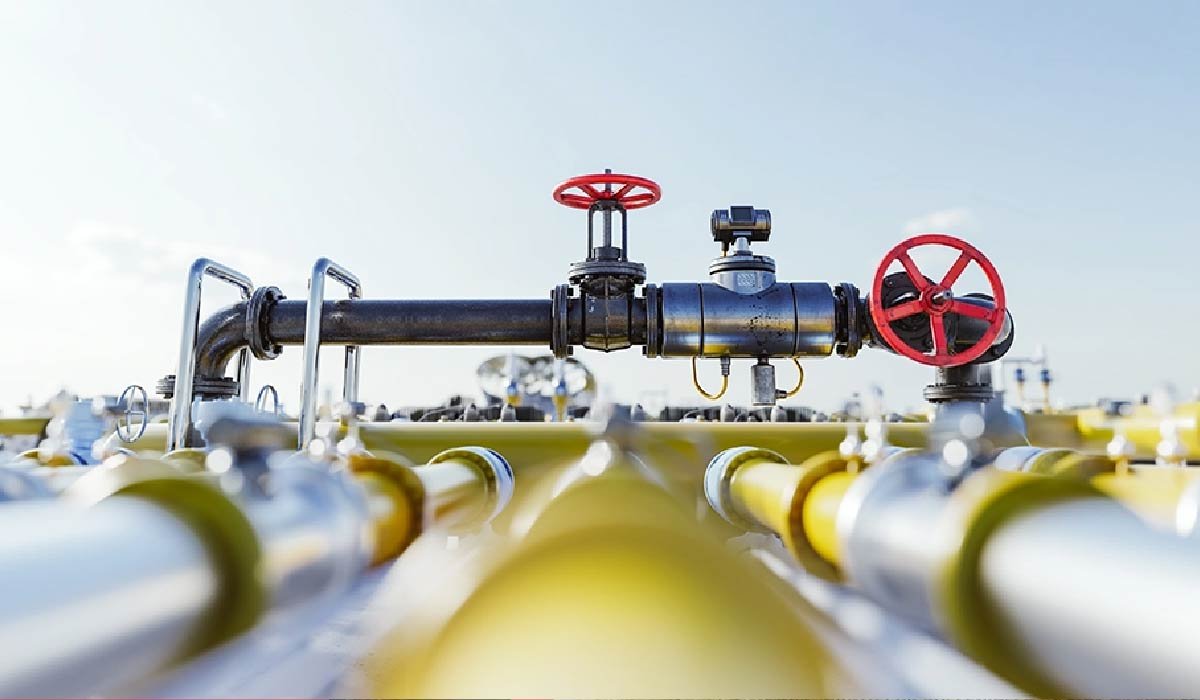
Pipelines are the arteries of the oil and gas industry, moving crude, gas and produced water across thousands of kilometers. Yet inside many of these lines, a slow and silent process is eating away at the steel: corrosion. Its cost goes far beyond replacing damaged pipe. It affects safety, production, the environment and a company’s reputation. The good news is that a well-designed corrosion inhibitor program can cut much of that cost.
What Causes Corrosion Inside Pipelines?
Internal pipeline corrosion is driven by the fluids being transported. The most common causes are:
- CO₂ (sweet) corrosion: Carbon dioxide dissolves in water to form carbonic acid,
which attacks carbon steel.
- H₂S (sour) corrosion: Hydrogen sulfide causes pitting and can lead to sulfide stress
cracking.
- Oxygen ingress: Even small amounts of oxygen sharply increase corrosion rates,
especially in water injection lines.
- Microbiologically influenced corrosion (MIC): Bacteria such as sulfate-reducing
bacteria create localized pitting under deposits.
- Produced water and chlorides: Salty water carried with oil and gas speeds up
electrochemical attack.
- Under-deposit corrosion: Sand, scale and sludge trap corrosive conditions against
the pipe wall.
The Hidden Costs of Pipeline Corrosion
The direct cost of repairing or replacing a corroded section is only the visible part of the problem. The hidden costs are often much larger:
- Unplanned shutdowns: A single leak can halt flow through a line, stopping
production from every well that feeds it.
- Environmental cleanup and penalties: Oil spills and gas releases lead to cleanup
costs, regulatory fines and possible legal action.
- Safety risks: Corrosion-related failures can cause fires, explosions and injuries to
workers and nearby communities.
- Higher inspection and maintenance spending: Corroded lines need more
frequent pigging, inspection runs and repair work.
- Reduced asset life: Pipelines designed to last decades may need replacement
years early.
- Product loss and contamination: Leaks waste product, and corrosion by-products
such as iron sulfide can foul downstream equipment.
- Reputation damage: Public incidents affect a company’s standing with regulators,
investors and local communities.
Together, these hidden costs often far exceed the price of the pipe itself, making corrosion one of the largest avoidable expenses in oil and gas operations.
How Corrosion Inhibitors Cut These Costs
Corrosion inhibitors are chemicals added in small amounts to the fluid stream to slow or stop the corrosion reaction. Most oilfield inhibitors are film-forming: they adsorb onto the steel surface and create a thin protective barrier between the metal and the corrosive fluid.
A well-run inhibitor program delivers savings in several ways:
- Lower corrosion rates: Reducing metal loss extends pipe life and delays costly
replacement.
- Fewer leaks and failures: Less downtime and fewer emergency repairs.
- Lower capital spending: Inhibitors can allow operators to use carbon steel instead
of expensive corrosion-resistant alloys.
- Better regulatory compliance: Fewer incidents reduce the risk of fines and
shutdown orders.
- More predictable operations: Maintenance can be planned instead of reactive.
Types of Corrosion Inhibitors for Pipelines
- Imidazoline-based inhibitors: Widely used in sweet (CO₂) environments in oil and
gas lines.
- Amine and amide-based inhibitors: General film-forming protection in production
pipelines.
- Quaternary ammonium compounds: Suited to water-dominant systems, often
with added biocidal benefits.
- Phosphate esters: Common in water injection and produced water lines.
- Volatile corrosion inhibitors: Protect gas lines and help control top-of-line
corrosion.
- Aromatic amine additives (e.g. N-Methylaniline): Used in inhibitor formulations
and acidizing packages.
Building an Effective Inhibitor Program
- Assess the system: Study fluid composition, flow rates, temperature, CO₂/H₂S
levels and water cut.
- Select and test the product: Use lab tests such as bubble tests and wheel tests to
compare candidates.
- Apply correctly: Choose between continuous injection, batch treatment or pigging-
based application.
- Monitor results: Use corrosion coupons, probes and residual analysis to confirm
protection.
- Adjust as conditions change: Rising water cut or souring reservoirs may need a
new formulation.
Choosing a Reliable Manufacturer of Corrosion Inhibitors
A corrosion inhibitor program is only as strong as the chemicals behind it. Operators and oilfield service companies should work with a manufacturer of corrosion inhibitors that offers consistent quality, technical support, custom formulations and dependable bulk supply. For international projects, export experience and complete documentation are equally important.
An experienced manufacturer, supplier and exporter of corrosion inhibitors can also help formulators and operators select the right chemistry, maintain consistent quality and secure reliable supply for pipeline projects worldwide.
Conclusion
Corrosion is a cost that keeps growing when ignored. Its true impact shows up in shutdowns, safety incidents, spills and early asset replacement. A well-designed corrosion inhibitor program, backed by a trusted manufacturer, is one of the most cost-effective
ways to protect pipelines and keep oil and gas flowing safely.
Frequently Asked Questions
- What is the most common type of internal corrosion in oil and gas pipelines?CO₂
(sweet) corrosion is one of the most common types. Carbon dioxide dissolves in water to form carbonic acid, which attacks carbon steel pipe walls.
- How do corrosion inhibitors protect pipelines? Most pipeline corrosion inhibitors are film-forming. They adsorb onto the steel surface and create a thin barrier that keeps corrosive fluids away from the metal.
- What is the difference between continuous and batch inhibitor treatment? Continuous treatment injects inhibitor into the flow at all times, while batch treatment applies a larger dose at intervals, often with pigs, to coat the pipewall. The choice depends on flow conditions and line design.
- How is the performance of a corrosion inhibitor monitored? Operators use corrosion coupons, electrical resistance probes, linear polarization resistance probes and inhibitor residual testing to confirm protection levels.
- Why does the choice of corrosion inhibitor manufacturer matter? Inconsistent product quality can lead to poor film formation and unexpected failures. A reliable manufacturer offers tested quality, custom formulations, technical support and steady bulk supply.
