


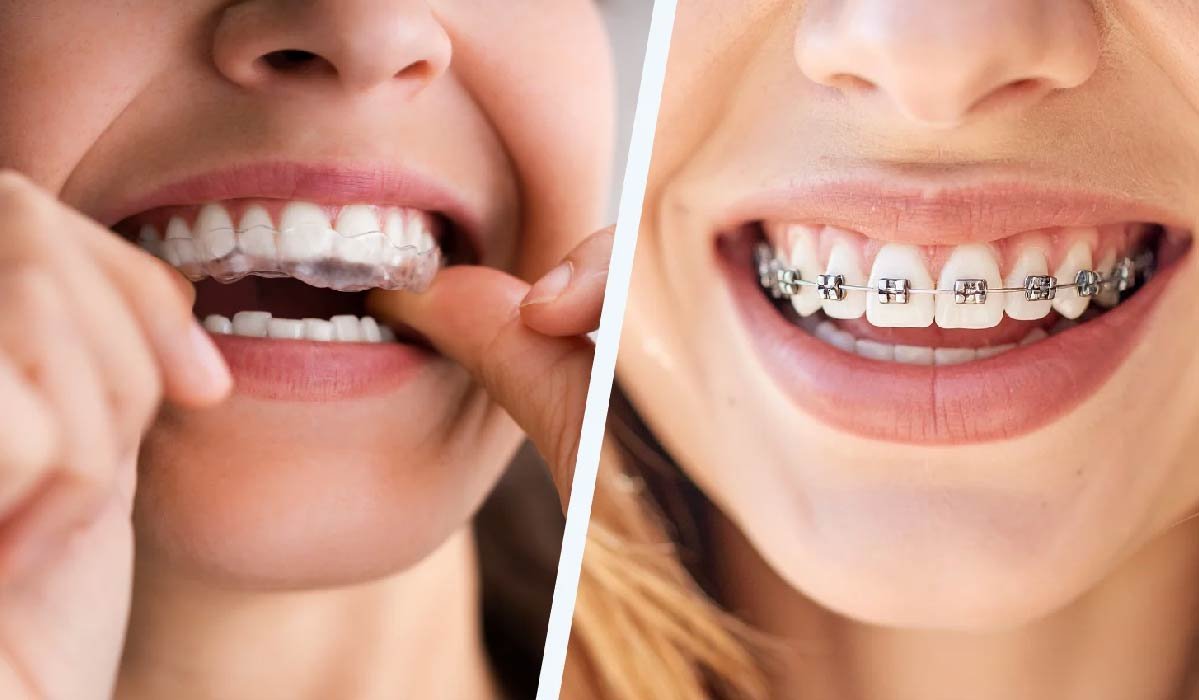
Braces and clear aligners are often presented as a choice between visibility and convenience. In practice, the decision has more moving parts: what needs to change, how reliably a person can follow the plan, and what the treatment will ask of them on an ordinary Tuesday. A removable appliance may fit one routine beautifully and complicate another. Fixed braces may seem less flexible but remove the need to remember to put anything back in. For Australian adults and families considering orthodontic care, the most useful starting point is not which option sounds easier. It is which questions will reveal the trade-offs in their own circumstances.
Start with the treatment goal, not the appliance
Before comparing day-to-day features, ask the clinician to explain what the proposed treatment is intended to achieve. Is the main concern crowding, spacing or the way the teeth meet? Are there several possible approaches, and would braces and aligners aim for the same outcome in this case? A photograph or a quick look in the mirror cannot settle those questions; an appropriate clinical assessment is needed.
It is also worth asking whether the suggested option has limitations for the particular movements involved. That does not mean one appliance is universally more capable than the other. A plan may involve attachments, elastics or other features that are not obvious from a picture of clear aligners, while braces may come with their own adjustments and practical demands. Ask what each proposed plan would involve, why it is being recommended, and what might prompt a change of approach. The explanation should make sense to the person who will live with the treatment, not just to the clinician describing it.
Picture an ordinary week
Convenience depends on habits. Clear aligners are removable, which can make meals and cleaning feel more familiar. The compromise is that they need to be worn according to the treating clinician’s instructions. Someone who grazes throughout a long shift, drinks frequent coffees or regularly rushes out after lunch may want to talk through how removal, storage and wear time would work in practice. For a teenager, the question may be less about preference than whether keeping track of removable trays is realistic during school and sport.
Braces stay on the teeth, so remembering to replace them is not part of the routine. They can, however, affect food choices and make cleaning around the appliance more involved. A person who travels for work might value not managing removable trays, yet still need a plan for attending appointments or dealing with a loose component while away. Neither account is a prediction of trouble. These are ordinary details that can expose a mismatch between an appealing option and the life it must fit.
Ask what happens when life interrupts the plan
The smooth version of either treatment is easy to imagine. It is more useful to discuss the untidy version: a missed appointment, a lost aligner, an unexpected breakage or a period when the appliance has not been worn as advised. When considering an orthodontist Liverpool residents can visit regularly, ask how such interruptions are handled, whom to contact and whether they could affect the proposed timeline or cost. The answers should relate to the actual plan rather than a general promise that everything will stay on schedule.
Also clarify what support is available between visits and which concerns warrant a prompt call. This is especially relevant for families coordinating school, work and transport, or for people who expect to spend time away from home. It is reasonable to ask how often appointments are anticipated, while recognising that the schedule may change as treatment progresses. Practical access to care is part of convenience, even though it rarely appears in a comparison of appliances.
Look beyond the first quoted figure
Cost discussions are clearer when they cover the scope of a proposal, not just its headline amount. Ask what is included in the quoted treatment, what might be charged separately, and how changes to the plan would be discussed. If a payment arrangement is offered, check its terms rather than assuming it changes the overall cost. The right questions will depend on the written proposal; there is no reliable shortcut based on appliance type alone.
Time deserves the same care. An estimated treatment duration is not a guarantee, and a shorter estimate should not automatically decide the choice. Ask what assumptions sit behind it, including attendance and, where relevant, aligner wear. It can help to consider the combined burden of appointments, daily routines and follow-up rather than treating the number of months as the only measure of inconvenience. Someone balancing exams, shift work or an upcoming move may weigh that burden differently from someone with a more predictable schedule.
Leave room for the years after treatment
The comparison should not end when the braces come off or the final aligner is used. Teeth can shift after active treatment, so ask what retention is proposed, what it would require and whether its costs are included. This is not a reason to favour one starting appliance without discussion; it is a reminder that both options sit within a longer care plan.
Before deciding, try putting the consultation answers into plain language: what is the goal, what must I do each day, what happens if the plan changes, and what will be expected afterwards? If an answer is unclear, ask for it to be explained again. The most convenient choice is not necessarily the least visible or the least demanding on paper. It is the clinically appropriate option whose everyday commitments a person understands and can realistically manage.
