


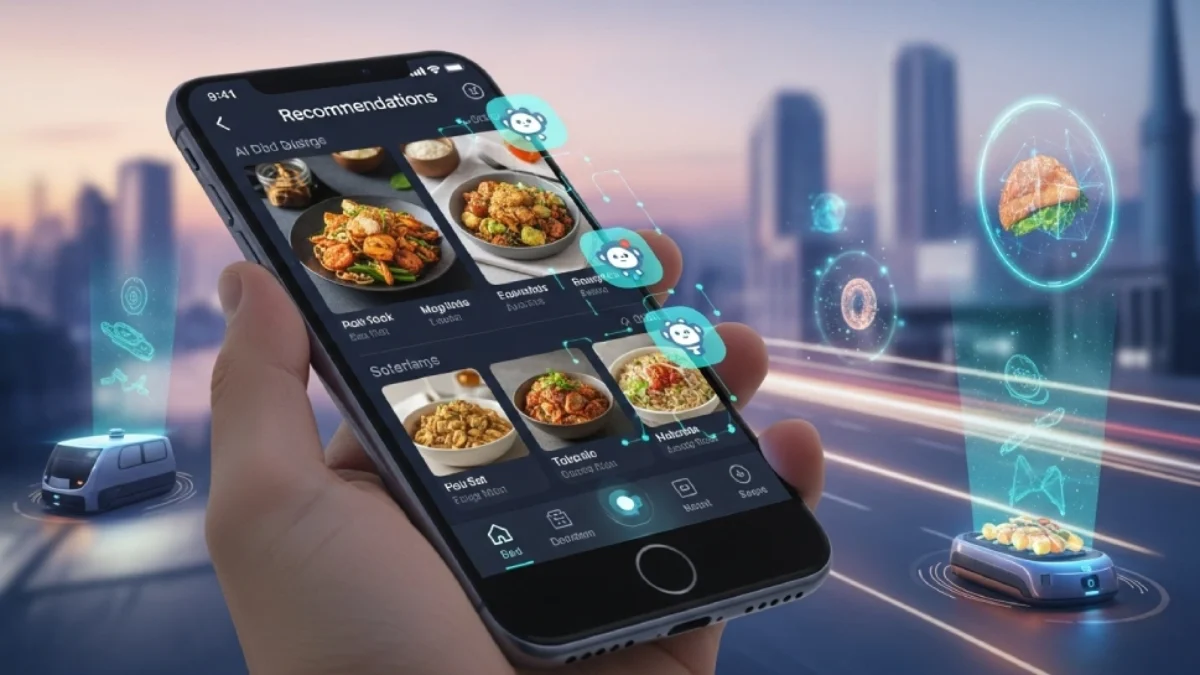
Running a restaurant has never been more demanding. Guests expect fast ordering, easy reservations, personalized offers, and instant answers, all from their phones. Operators who meet those expectations are seeing stronger loyalty and steadier revenue, while those who don’t risk losing diners to competitors with smoother digital experiences.
For owners ready to build a branded ordering and loyalty experience, working with experienced restaurant mobile app developers can make the difference between a clunky tool and an app guests actually enjoy using. A well-built app cuts down on third-party delivery fees, puts your menu and promotions front and center, and gives you direct access to customer data.
Customer service is another area where technology is changing the game. Partnering with a trusted AI chatbot development company lets restaurants answer questions about hours, menus, allergens, and reservations around the clock, without adding pressure on staff during busy shifts.
Why Restaurant Apps Are Worth the Investment
A dedicated app does more than take orders. It creates a lasting connection between your restaurant and your guests.
- Lower commission costs: Direct ordering reduces dependence on third-party marketplaces and their fees.
- Repeat business: Loyalty points, saved favorites, and one-tap reordering encourage guests to return.
- Better data: Order history and preferences help you refine menus, pricing, and promotions.
- Smoother operations: Order management, kitchen coordination, and pickup scheduling become more organized.
- Direct marketing: Push notifications let you promote specials without paying for ads.
Essential Features for a Restaurant App
Whether you run a single café or a multi-location chain, a few features tend to matter most:
- Easy online ordering: Clear menus, customization options, and a quick checkout.
- Table reservations and waitlists: Fewer phone calls and fewer no-shows.
- Loyalty and rewards: Points, tiers, and personalized offers.
- Secure payments: Cards, digital wallets, and split-bill options.
- Real-time order tracking: Status updates for pickup and delivery.
- POS integration: Syncing orders directly with your existing systems.
How AI Chatbots Help Restaurants
Chatbots are no longer limited to simple scripted replies. Modern conversational AI can handle a wide range of tasks:
- Reservations: Booking, changing, or canceling tables through a simple chat.
- Menu questions: Explaining ingredients, dietary options, and allergen information.
- Order support: Checking order status or resolving common issues.
- Personalized suggestions: Recommending dishes based on past orders or preferences.
- Feedback collection: Gathering reviews and flagging problems before they reach public platforms.
When a question is too complex, a good chatbot hands the conversation to a human team member, keeping the experience helpful rather than frustrating.
Choosing the Right Development Partner
Before signing on with any team, ask a few practical questions:
- Have they built products for food service or hospitality?
- Can they integrate with your POS, payment, and delivery systems?
- How do they protect customer data and payment information?
- What does support look like after launch?
- Will they provide clear timelines and regular progress updates?
Start Small and Grow
You don’t need every feature on day one. Many successful restaurant apps begin with a simple version that handles ordering and loyalty well, then add reservations, chatbots, and advanced personalization as real feedback comes in.
The same approach works for AI. Start with a single use case, such as answering common customer questions, measure how much time and effort it saves, and expand from there.
Final Thoughts
Hospitality is about making people feel welcome, and good technology supports that goal rather than replacing it. Restaurants that pair a thoughtful mobile app with helpful AI-driven support will be better prepared to attract new guests, keep regulars happy, and run more efficiently.
Whether you are launching your first digital channel or improving an existing one, begin with your guests’ needs, set clear goals, and build step by step.
