


The Core Pillars of Local SEO and Digital Marketing
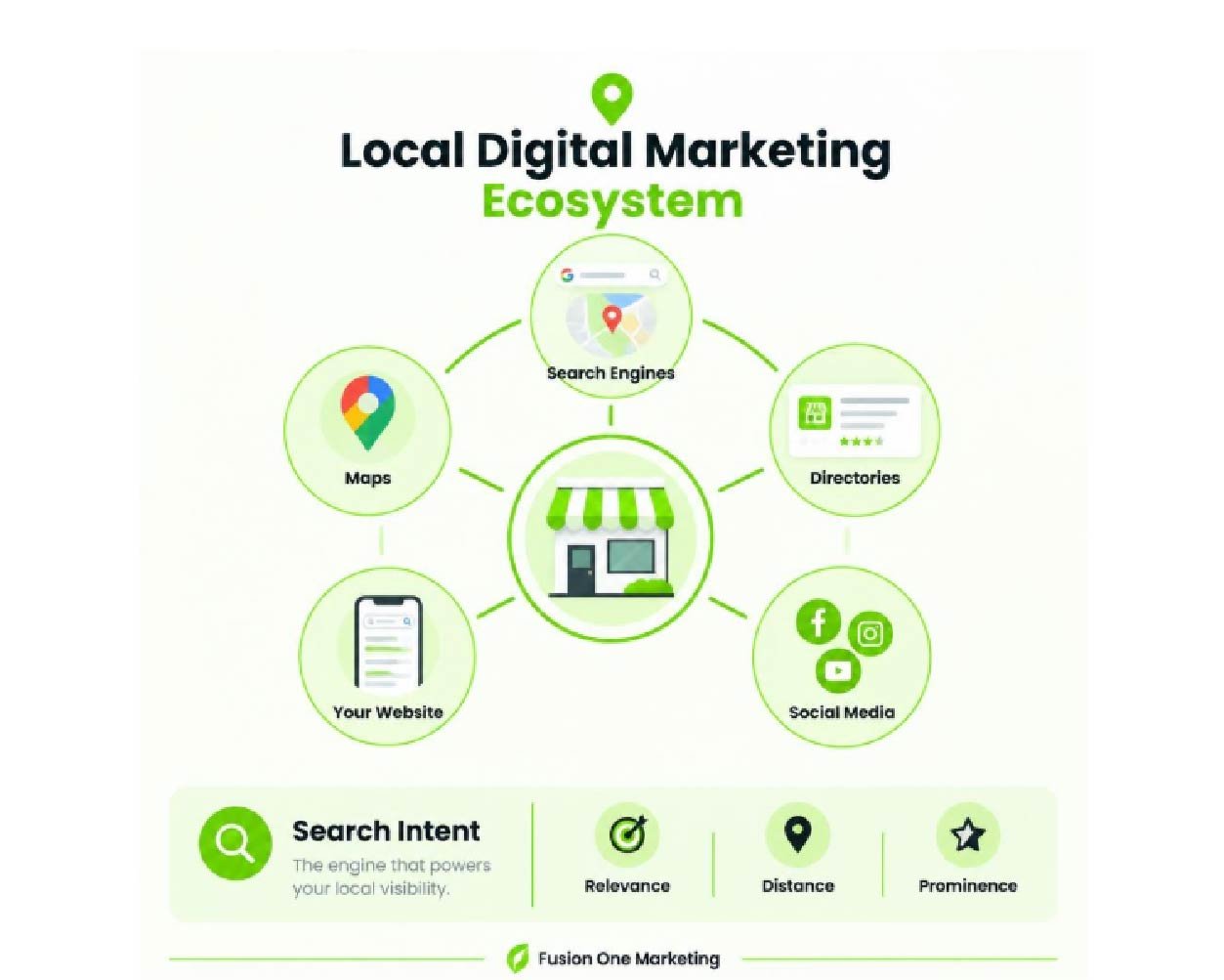
Dominating the local search landscape requires a shift in mindset. You are not competing against the entire internet; you are competing for the attention of your neighbors. The core of this strategy lies in your digital footprint—the collective presence of your business across search engines, maps, and directories.
Local search intent is the engine that powers this ecosystem. When a user searches for a service, Google evaluates three primary signals: relevance, distance, and prominence. Your goal is to ensure that your business is not only visible but also viewed as the most trustworthy option in your specific service area. This requires a disciplined approach to directory management, consistent branding, and a relentless focus on how your brand appears on the map.
Optimizing Your Google Business Profile and Map Pack Presence
Your Google Business Profile (GBP) is the heartbeat of your local presence. It is often the first, and sometimes the only, point of contact a potential customer has with your brand. To maximize this, you must treat your profile as a living, breathing asset rather than a static directory listing.
Verification is the foundational step, but optimization is the growth lever. Start by selecting the most accurate primary and secondary categories for your business. Ensure your NAP (Name, Address, and Phone number) is perfectly aligned with your website. Beyond the basics, upload high-resolution imagery that showcases your work, your team, and your physical location. Finally, keep your profile active by posting updates, answering questions, and utilizing the “Products” or “Services” sections to give searchers a clear understanding of what you offer.
Maintaining NAP Consistency and Authority Across Local Citations
Search engines rely on “citations”—mentions of your business name, address, and phone number on other websites—to verify that your business is legitimate. If your address is listed as “Street” on your website but “St.” on a directory, you introduce ambiguity that can hurt your rankings.
We recommend a regular citation audit to ensure your data is uniform across high-authority directories like Yelp, Apple Business Connect, and Bing Places. By maintaining this consistency, you build “citation authority,” which tells Google that your business is established and reliable.
Leveraging Online Reviews and Reputation Signals
In the local search algorithm, reviews are a massive signal of prominence. They act as social proof for customers and as a trust signal for search engines. The velocity of your reviews—how frequently you receive them—is just as important as your average star rating.
We suggest implementing a simple, repeatable process for requesting feedback from satisfied customers immediately after a service is completed. When you receive a review, respond to it promptly. A thoughtful response to a negative review can often turn a detractor into an advocate, while acknowledging positive reviews reinforces your commitment to customer service.
How Local SEO Differs from Traditional Search Engine Optimization
While traditional SEO focuses on building domain authority to rank for broad keywords on a national or global scale, local SEO is hyper-focused on geographic context.
In traditional SEO, you might aim to rank for “best plumbing tools.” In local SEO, you are fighting for the “plumber near me” query, which is governed by the user’s current location and the proximity of your business. This difference is critical because the ranking factors—such as Google Map Pack placement—are entirely separate from the standard organic search results.
Understanding Core Ranking Factors: Relevance, Distance, and Prominence
Google’s local algorithm is built on three pillars:
- Relevance: How well your business profile matches what the user is searching for. This is why detailed service descriptions are vital.
- Distance: How far your business is from the location term used in the search. While you cannot change your physical address, you can optimize your content to signal your service area effectively.
- Prominence: How well-known your business is. This is determined by your review count, your backlink profile, and your overall presence in the local community.
Geo-Targeted Search Intent and Proximity Signals
The rise of “near me” and “open now” queries has changed the customer journey. These are high-intent “micro-moments” where the user is ready to take immediate action. To capture this traffic, your digital strategy must account for user proximity. This means your website must clearly define your service areas and signal to search engines that you are the primary authority for those specific neighborhoods.
On-Page Optimization and Technical Fundamentals for Location Pages
Your website must act as the anchor for your local SEO efforts. If you serve multiple cities or neighborhoods, a single “contact us” page is rarely enough. Instead, you should build dedicated location pages that provide unique, valuable information for each area you serve.
Structuring Location Pages with Local SEO and Digital Marketing Tactics
Each location page should feature specific content, such as a map of your service area, local testimonials, and FAQs that address the unique needs of that community. By incorporating localized keywords naturally—such as “emergency HVAC services in [City Name]”—you help search engines associate your brand with that specific locale.
Mobile Responsiveness and LocalBusiness Schema Markup
A mobile-friendly site is non-negotiable. Most local searches occur on smartphones while the user is on the go. If your site is slow or difficult to navigate, you will lose that customer to a competitor within seconds. Furthermore, you should implement LocalBusiness schema markup. This is a form of structured data that helps search engines “read” your business information, such as your hours, location, and service offerings, in a format they prefer. For businesses looking for tailored web solutions to ensure their site architecture supports these technical needs, investing in professional development is a smart move.
Multi-Channel Strategies: Integrating Search, Paid Media, and Content
Local marketing is most effective when it is omnichannel. You should not rely solely on organic search. Instead, create a strategy where your content, social media, and paid advertising work in tandem to reinforce your brand’s presence.
Aligning Content Creation with Local SEO and Digital Marketing
Content marketing for local businesses should be community-focused. Write about local events, seasonal maintenance tips relevant to your region, or success stories involving local clients. This helps you build topical authority and gives you content that is highly shareable within your immediate community.
Combining Organic Visibility with Local Paid Advertising
While organic SEO builds long-term authority, paid media provides immediate visibility. By utilizing platforms like Google Local Services Ads, you can appear at the very top of the results for high-intent keywords. Integrating these efforts is key; for example, using a partner for integrated SEO and PPC ensures that your paid ads are targeting keywords that your organic strategy isn’t yet covering, maximizing your overall footprint.
Emerging Trends: AI Search, Generative Engines, and Hyperlocal Visibility
The digital landscape is evolving with the rise of Generative Engine Optimization (GEO). AI-driven search engines and conversational assistants are now providing direct answers to local queries. These platforms prioritize entities that have clear, structured data and a strong, consistent digital presence.
Generative Engine Optimization for Local Voice and AI Queries
To stay ahead, ensure your business information is “AI-ready.” This means using clear, conversational language on your website and maintaining a robust, verified presence across all major platforms. When a user asks an AI assistant, “Who is the best landscaper in my neighborhood?”, your business needs to be the entity the AI recognizes and recommends.
Measuring Local ROI and High-Impact Performance Metrics
You cannot manage what you do not measure. Use tools like Google Search Console and Google Analytics 4 to track your organic traffic, but go deeper. Monitor “direction requests,” “click-to-call” actions, and form submissions from your Google Business Profile. By tracking these revenue-centric metrics, you can calculate your true cost-per-acquisition and shift your budget toward the channels that provide the highest return.
Frequently Asked Questions About Local Digital Marketing
What is the primary difference between local SEO and traditional SEO?
Traditional SEO targets broad, national, or global audiences to build domain authority. Local SEO is strictly geographic; it targets users in a specific radius and focuses on appearing in the “map pack” or localized search results.
How long does it take to see results from a local SEO campaign?
Foundational changes, such as optimizing your Google Business Profile, can show results in as little as 2 to 6 weeks. However, building long-term organic authority through content and citations typically takes 3 to 9 months of consistent effort.
Why is review management essential for local digital marketing?
Reviews are the primary “prominence” signal for Google. They directly influence your ranking in the map pack, but more importantly, they are the single biggest factor in a customer’s decision to click on your listing versus a competitor’s.
Conclusion
Mastering local SEO and digital marketing is not a one-time task; it is a continuous commitment to providing value to your local community. By focusing on your Google Business Profile, maintaining NAP consistency, and creating high-quality, localized content, you build a digital presence that is as reliable as your physical storefront.
The path to local market dominance is paved with consistent, data-driven actions. Whether you are optimizing your technical site architecture or leveraging paid media to scale your reach, the ultimate goal is to be the most helpful, visible, and trusted option for your neighbors. Start by auditing your current presence today, and you will find that the effort invested in your local footprint pays dividends in long-term, sustainable growth.
