


There’s a particular kind of dread that comes with a dead outlet at dinnertime or a breaker that trips every time you run the microwave and the coffee maker together. Electrical problems rarely announce themselves politely. They show up during storms, holidays, or the exact week you’re hosting family. And unlike a leaky faucet, you can’t just tighten a bolt and hope for the best.
Homeowners across Louisiana know this feeling well. The region’s humidity, aging housing stock, and unpredictable weather put real strain on wiring systems, and a DIY fix can turn a minor inconvenience into a genuine safety hazard. That’s where a trusted local electrician makes all the difference — not just for repairs, but for the peace of mind that comes from knowing your home’s electrical system is actually sound.
This post walks through the most common electrical issues homeowners face, why professional expertise matters more than a quick online tutorial, and what separates a dependable electrical contractor from the rest.
Why Electrical Problems Shouldn’t Wait
A flickering light might seem harmless. A warm outlet cover might feel like nothing worth mentioning. But electrical issues tend to compound. Loose connections generate heat. Heat damages insulation. Damaged insulation creates fire risk. What starts as a minor annoyance can quietly escalate into something far more dangerous if it’s ignored.
Older homes are particularly vulnerable. Many were wired decades ago, long before modern appliances, home offices, and entertainment systems placed new demands on the electrical panel. Aluminum wiring, outdated breaker boxes, and ungrounded outlets are common in older properties, and each one carries its own set of risks.
The good news is that most electrical problems are preventable with regular inspections and timely repairs. Catching a failing breaker or a corroded connection early is far cheaper, and far safer, than dealing with the aftermath of an electrical fire.
Common Warning Signs Worth Taking Seriously
A few symptoms tend to show up again and again in service calls:
- Flickering or dimming lights, especially when another appliance turns on
- Breakers that trip frequently, even under normal household use
- Warm or discolored outlet covers, which often indicate overheating
- A persistent burning smell near outlets or the breaker panel
- Outlets that no longer hold a plug snugly, a sign of worn internal components
None of these should be brushed off as quirks of an “old house.” They’re signals that something in the system needs attention.
What to Expect From a Professional Electrical Inspection
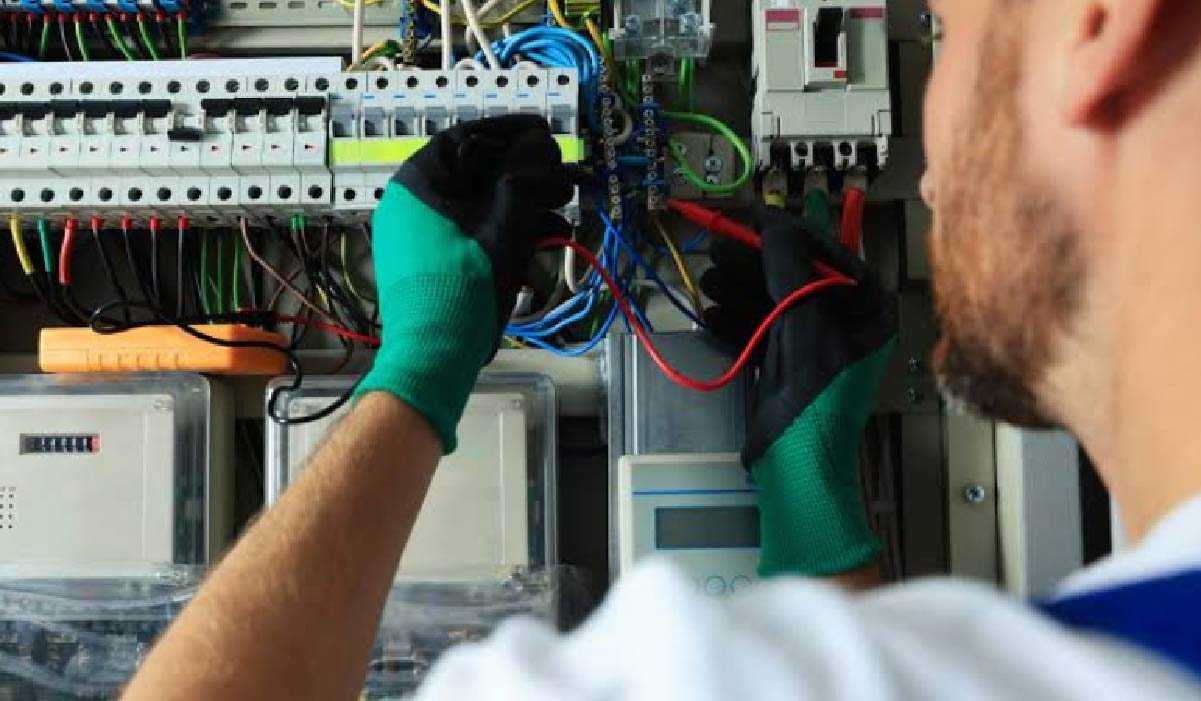
A proper inspection goes well beyond flipping switches and checking for obvious damage. A licensed electrician evaluates the condition of the breaker panel, tests the grounding system, checks for outdated wiring materials, and looks for code violations that may have been introduced during past renovations or additions.
This kind of thorough assessment matters because many electrical hazards are invisible to the untrained eye. A wire can look perfectly fine on the surface while the insulation underneath is cracked and brittle. A panel can appear functional while silently overloaded. Professional-grade tools and trained judgment catch what a visual scan alone cannot.
How Often Should Homes Be Inspected?
For most homes, an electrical inspection every three to five years is a reasonable baseline. However, certain situations call for an inspection sooner:
- Before buying or selling a home
- After a major renovation or addition
- If the home is more than 25 years old
- Following a severe storm or lightning strike
- If circuit breakers trip more often than they used to
Waiting for a visible problem to appear is a reactive strategy. Scheduling regular checkups is a proactive one, and it’s almost always the less expensive path in the long run.
Residential vs. Commercial Electrical Needs
Not every electrical job looks the same, and the differences between residential and commercial work go beyond scale.
Residential electrical work tends to focus on comfort, safety, and convenience: lighting upgrades, panel replacements, outlet installations, and troubleshooting for everyday appliances. Commercial electrical work, by contrast, often involves higher voltage systems, more complex code requirements, and a greater emphasis on minimizing downtime, since an electrical failure in a business setting can mean lost revenue, not just inconvenience.
A contractor experienced in both settings understands how to scale their approach. They know that a restaurant kitchen has different demands than a single-family home, and that an office building’s lighting system needs to balance energy efficiency with employee comfort in ways a living room never will.
Choosing the Right Contractor for the Job
When evaluating an electrical contractor, a few questions tend to separate the reliable options from the rest:
- Are they licensed and insured in the state where the work is being done?
- Do they offer transparent, upfront pricing before work begins?
- Can they provide references or examples of similar projects?
- Do they respond quickly to emergency calls?
- Are their technicians trained on current electrical codes?
A contractor who answers all of these confidently is one worth considering. A contractor who hesitates, or who can’t produce proof of licensing, is a risk not worth taking.
Trust Matters as Much as Technical Skill
Electrical work is one of those home services where trust isn’t optional. Homeowners are inviting someone into their house to work on a system that, if handled poorly, could cause real harm. That’s why reputation, responsiveness, and a track record of quality work matter just as much as technical certification.
Boudreaux’s Electrical Services has built a reputation across Louisiana for combining licensed expertise with the kind of dependable, neighborly service that makes homeowners feel genuinely taken care of, whether the job is a same-day emergency repair or a full panel upgrade. The team approaches every project with the same attention to detail, treating a small outlet repair with the same seriousness as a complete rewiring job.
That consistency is what keeps customers coming back and recommending the company to friends and family. In an industry where shortcuts can have serious consequences, doing the job right the first time isn’t just good practice; it’s the whole point.
Final Thoughts: Don’t Wait for a Warning Sign to Become an Emergency
Electrical issues rarely fix themselves, and ignoring the small signs almost always costs more than addressing them early. Whether it’s a flickering light, a tripping breaker, or simply the peace of mind that comes from knowing a home’s wiring is up to code, scheduling a professional inspection is one of the smartest investments a homeowner can make.
The next time something feels off with the lights, outlets, or breaker panel, don’t wait for it to get worse. Reach out to a licensed, experienced electrician and get ahead of the problem before it becomes a costly one.
