


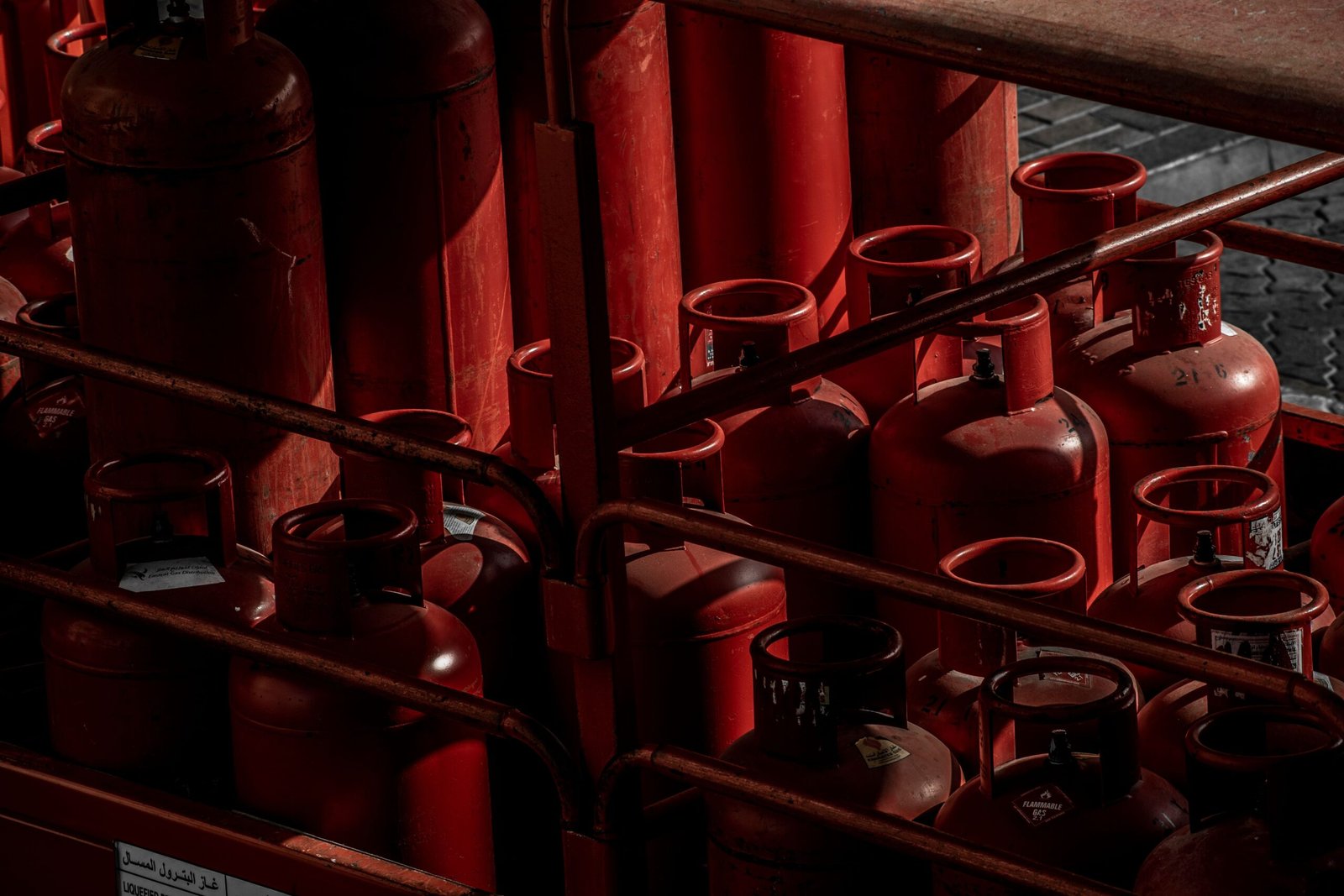
A forklift can look ready for work while a small fuel-system problem quietly undermines its performance. LPG regulators rarely attract attention until an engine becomes difficult to start, loses power, or idles unevenly. Those symptoms can disrupt a shift, complicate maintenance planning, and create safety concerns if operators keep trying to run an unreliable truck.
The Regulator’s Role in Reliable Performance
An LPG-powered forklift does not deliver fuel to the engine at tank pressure. Its fuel system controls pressure and helps provide the appropriate fuel mixture for combustion. The regulator must work consistently as the engine starts, idles, accelerates, and handles changing loads.
When fuel delivery becomes unstable, engine performance can change quickly. Operators may notice hard starting, hesitation, stalling, rough idle, or reduced response when accelerating. A truck that struggles during a lift or maneuver can also make routine work less predictable.
Regulators can develop problems through internal wear, contamination, sticking components, or damage elsewhere in the fuel system.
Correct Fitment Is More Than a Catalog Match
Regulators may look similar while differing in application, connections, calibration, or system requirements. Choosing a replacement by appearance alone can lead to poor performance, installation problems, or an unsafe repair. The correct part must match the equipment’s specifications and the manufacturer’s requirements.
For applications requiring this specific regulator, the IMPCO Model J should be selected based on verified compatibility rather than appearance alone. Before ordering, confirm the forklift’s identification plate, existing part number, engine specifications, and relevant service documentation.
If the application is uncertain, have a qualified technician or parts specialist verify compatibility before installation. A replacement that fits physically is not necessarily the right replacement for the fuel system.
Early Symptoms Deserve Attention
Fuel-system trouble is not always dramatic at first. A forklift may start after several attempts, run unevenly for a short period, or lose power only when demand increases. These recurring patterns can be easy to dismiss when the truck eventually gets moving.
However, repeated starting attempts are not a safe troubleshooting method. A fuel-related fault can release unburned LPG, which may collect in poorly ventilated areas and ignite. If a truck will not start normally, operators should stop repeated attempts, follow site procedures, and report the issue to qualified maintenance personnel.
Never use a flame to check for leaks. A suspected leak means the truck should be taken out of service and handled according to the workplace’s emergency and maintenance procedures.
Why Regulators Wear or Become Contaminated
Regulator problems usually develop through a combination of operating hours, age, contamination, and maintenance history. Internal diaphragms and valves can wear, while deposits or residue may interfere with moving parts. Other fuel-system faults can also affect performance and make diagnosis less straightforward.
As components age, small changes in starting behavior or engine response may become more frequent before a complete failure occurs.
Installation practices can create additional trouble. Incorrect seals, damaged fittings, poorly routed hoses, or neglected leaks may introduce new faults or obscure the original one. Replacing the regulator without inspecting related components can leave the cause unresolved. Good maintenance considers the whole system while keeping repairs within the scope of trained and authorized personnel.
Diagnose Before Replacing Parts
Randomly swapping components can become expensive without solving the problem. A more effective approach begins with a clear record of what the truck does, when the symptom appears, and whether it has changed over time. Does the engine struggle only when cold? Does it stall after warming up? Does power drop under load, or does the problem occur at idle?
Technicians should inspect the fuel system for visible damage and leaks, review maintenance records, and follow the equipment maker’s diagnostic procedures. Fuel and ignition problems can produce similar symptoms, so an evidence-based diagnosis is more reliable than guessing.
Safety guidance from the Occupational Safety and Health Administration emphasizes regular checks for fuel leaks and worn components. Any truck that may be unsafe should remain out of service until the fault is corrected by authorized personnel.
Buy Replacement Parts With Confidence
Online parts listings can save time, but useful product information matters more than a low price or a familiar-looking image. Look for exact part numbers, application details, clear specifications, and compatibility information. Be cautious when a listing uses broad claims without identifying the equipment or system it supports.
Keep records of the part installed, the symptoms that led to replacement, and any related components inspected or repaired.
A good purchasing process connects the part to a verified diagnosis. It does not treat every rough-running engine as proof that the regulator has failed. Confirm the fault first, then select the component that meets the required specifications.
Make Safety Part of Every Maintenance Decision
Operators should report hesitation, repeated starting problems, unusual odors, and visible damage promptly. They should not dismantle regulators, adjust fuel-system components, or attempt repairs unless specifically trained and authorized. LPG systems can present fire, explosion, and cold-contact hazards, so work must follow manufacturer instructions and applicable workplace procedures.
The Canadian Center for Occupational Health and Safety’s LPG forklift guidance explains safe handling practices and stresses that qualified people should repair forklift fuel systems. This is particularly important when a fault involves leaks, damaged connections, or uncertain fuel delivery.
Keep Small Faults From Becoming Major Delays
A regulator may be a compact component, but its condition can affect starting, power, reliability, and safe operation. Recognizing warning signs is useful; continuing to operate a truck with suspected fuel-system trouble is not. Early reporting and competent diagnosis help prevent unnecessary parts changes and reduce the chance that a manageable repair turns into a larger disruption.
When teams treat fuel delivery as a performance and safety issue—not merely a parts problem—they can make more informed decisions and keep equipment dependable daily.
