


When fighting forces a family from its home, a child loses familiar places and people who helped keep them safe. School may close. Neighbours scatter. Parents struggle to find food or shelter. Violence can follow children into places where they should be protected.
Preventing gender-based violence in conflict zones requires attention to those everyday losses as well as to the abuse itself.
What Makes Children Vulnerable During Armed Conflict?
Conflict weakens systems that protect children. Teachers, health workers and social services may be displaced as families move into crowded shelters.
Children separated from caregivers face particular risks. Others may depend on strangers for transport, accommodation or necessities. Someone may exploit that dependence by demanding favours or withholding help.
Protection efforts must therefore begin early, including during displacement and emergency aid distribution. Waiting for reports of abuse leaves children exposed.
Why Are Girls Especially at Risk?
Girls may face sexual violence, harassment, coercion and pressure to marry early. School closures and financial strain can increase these risks. Restrictions on movement may also make it harder to seek medical care or tell someone they trust.
Boys can experience sexual violence too, and children with disabilities may face additional barriers to reporting abuse. Services must recognise different needs and experiences.
Shame and fear often silence survivors. A child may worry about being blamed, rejected or punished. Privacy and respectful treatment are essential.
How Can Communities Prevent Abuse?
Prevention starts with listening to families and children about where they feel unsafe. Local organisations can help identify risks on routes to school, near water collection points, at shelters and during aid distribution.
Practical measures include safer access to essential services, confidential reporting options and training for adults who regularly work with children. Community discussions can challenge attitudes that excuse abuse or treat child marriage as an unavoidable response to hardship.
Children also need to know whom they can approach for help. A reporting number is little use if a child has no private phone or cannot speak the language used. Information must be accessible without increasing risk.
What Happens When a Child Needs Support?
A child who discloses violence needs to be believed, treated with dignity and connected to trained professionals. Repeated questioning or sharing their story without safeguards can cause further harm.
A coordinated response may include urgent healthcare, counselling, safety planning and legal assistance where appropriate. Services should consider the child’s age, wishes and safety.
Not every survivor is ready to discuss what happened. Support should not depend on a child giving a detailed account, and confidentiality must be handled carefully.
Why Do Schools and Safe Spaces Matter?
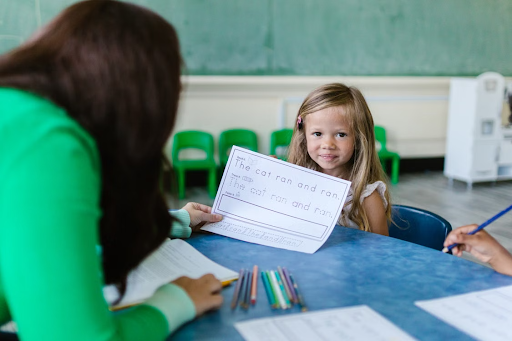
Education provides contact with trusted adults, familiar routines and opportunities to learn. When classrooms are safe and teachers understand child protection, they can help children recognise unsafe situations and seek assistance.
Child-friendly spaces can also offer structured activities and access to support services. They are especially valuable when displacement has interrupted schooling and social connections.
However, a building alone cannot guarantee safety. Staff need safeguarding training, reporting procedures and reliable referrals to specialised care. Sustained work on protecting children from gender-based violence depends on these safeguards.
How Can Canadians Help Fund Prevention and Recovery?
Prevention requires consistent funding, not just emergency supplies. Trained caseworkers, accessible counselling, community education and legal support all depend on people being available when children need them.
War Child Canada works with communities to provide child-friendly spaces, education and mental health support. In Uganda, its legal services include free counselling and representation for survivors of sexual violence and abuse.
For donors, the important question is whether an organisation funds responsible, locally informed services and protects the dignity of survivors.
Conclusion
The risks of gender-based violence in conflict zones can be reduced when safety is considered throughout humanitarian work. Children need trusted adults, confidential pathways to help and services that remain available beyond the first emergency.
Supporting protection programs helps communities respond to abuse and reduce risks.
Frequently Asked Questions
How does armed conflict increase the risk of gender-based violence for children?
Displacement, family separation and disrupted services can leave children with fewer safeguards. Dependence on others for essentials may also create opportunities for exploitation.
Can boys experience gender-based violence during conflict?
Yes. Boys can experience sexual abuse and coercion, although stigma may prevent them from seeking assistance.
What should adults do if a child reports abuse?
Listen calmly, avoid pressing for details and prioritise immediate safety. Contact qualified child protection or health professionals who can arrange appropriate support.
Why is ongoing funding important for child protection?
Survivors may need care long after immediate fighting or displacement. Stable funding helps trained staff continue prevention, counselling, referrals and legal support.
