


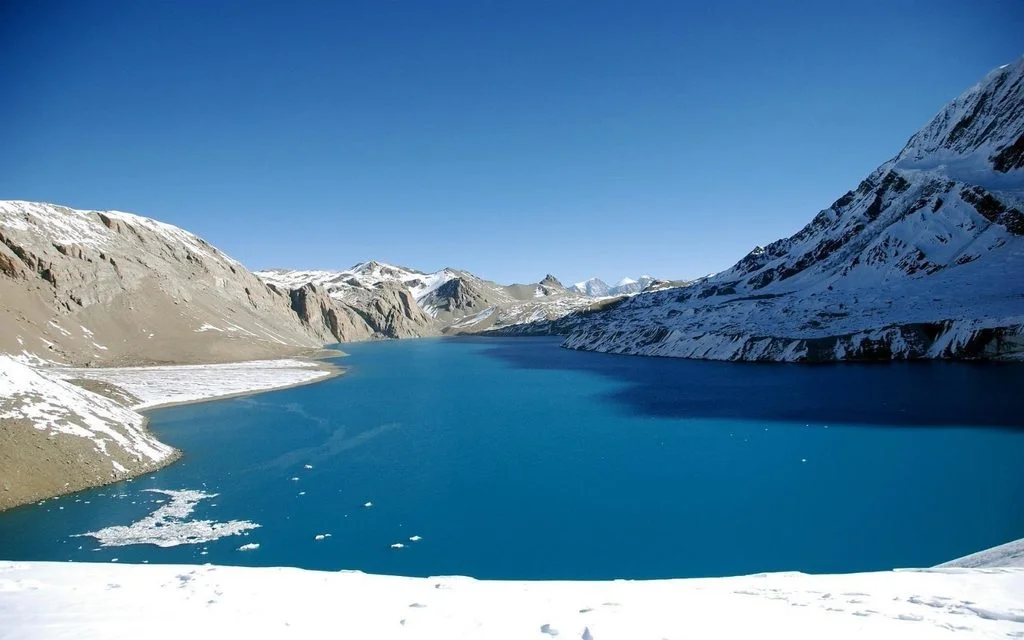
The Annapurna Circuit Trek is one of Nepal’s classic Himalayan journeys, connecting the Manang and Mustang regions through changing landscapes, mountain villages, and the dramatic Thorong La Pass. Road development has made shorter versions of the route possible, allowing travelers with limited time to experience the higher sections of the circuit.
Nepal High Trek currently offers its dedicated Short Annapurna Circuit Trek as a 10-day itinerary. The company explains that the traditional route normally takes 14–19 days, while road construction between Besisahar and Manang has made shorter arrangements possible. A seven-day journey should therefore be treated as a highly compressed or customized version rather than the company’s standard itinerary.
The Modern Reality of the Short Annapurna Circuit Trek
The Annapurna Circuit Trek has changed considerably with the development of mountain roads. Nepal High Trek uses road transportation to shorten the lower sections while keeping the major high-altitude trekking stages.
Its published short route begins with transportation toward Besisahar and Chame before continuing on foot through Pisang, Manang, Yak Kharka, and the Thorong La area. This approach allows travelers with limited time to experience the central mountain sections without walking the entire traditional route.
For a seven-day plan, the focus would need to remain on these key sections while transportation is used strategically. The exact arrangement should be confirmed with the trekking company before departure.
Core Logistics: Permits, Elevation, and Route Snapshot
Nepal High Trek lists its Short Annapurna Circuit Trek as a 10-day, moderate trek with a maximum altitude of 5,416 meters. The published package uses hotel and lodge accommodation, drive transportation, and lists Besisahar as the start point and Pokhara as the end point. Meals are included during the trekking portion.
The established route travels from Kathmandu to Besisahar and then continues by road to Chame at 2,670 meters. The trekking section proceeds to Pisang at 3,230 meters, Manang at 3,450 meters, Yak Kharka at 4,110 meters, and Thorong High Camp at approximately 4,900 meters. The major crossing is Thorong La at 5,416 meters, followed by the descent to Muktinath at 3,800 meters.
Because seven days is shorter than Nepal High Trek’s published itinerary, the exact starting point, transportation, accommodation, and trekking schedule need to be planned carefully.
The Crucial Acclimatization Strategy for a Compressed Timeline
Altitude is one of the most important considerations when shortening the Annapurna Circuit. Nepal High Trek’s published itinerary includes a dedicated acclimatization day in Manang before the trek continues toward the higher sections. The company recommends a hike toward Gangapurna Lake and exploration around Manang during this rest day.
The progression is significant. Trekkers move from Chame at 2,670 meters to Pisang at 3,230 meters and then Manang at 3,450 meters before continuing toward elevations above 4,000 meters.
A compressed schedule should not simply remove this important stage to save time. If the body does not adjust well to increasing elevation, the itinerary may need to change. The priority should be a realistic progression toward Thorong La rather than following a fixed seven-day target at all costs.
Day-by-Day Tactical Itinerary: From Kathmandu Baseline to Alpine Heights
Nepal High Trek’s official short itinerary takes 10 days rather than seven. Its published sequence provides the clearest framework for understanding how the route develops.
Day 1 to Day 3: Tracking the Marsyangdi Gorges to Manang Valleys
The published journey travels from Kathmandu to Besisahar before continuing by road to Chame. The drive to Chame passes through changing landscapes, pine forests, villages, and views toward the surrounding mountains. Chame is situated at 2,670 meters and is where the main trekking section begins.
From Chame, the trail follows the Marsyangdi River toward Pisang. The route passes through alpine forest and Bhratang before reaching Pisang at 3,230 meters. The following stage continues toward Manang at 3,450 meters, with views of Annapurna II and III, Gangapurna, Chulu, and Pisang Peak. The landscape also changes from forested surroundings toward drier and more barren terrain.
Day 4 to Day 7: Conquering Thorong La Pass and Descending the Kali Gandaki
The published itinerary includes an acclimatization day at Manang before continuing toward Yak Kharka at 4,110 meters. The next stage reaches Thorong High Camp at approximately 4,900 meters. From there, trekkers cross Thorong La at 5,416 meters and descend toward Muktinath at 3,800 meters.
A seven-day arrangement would compress these stages considerably. For that reason, the exact schedule should be arranged according to transportation, altitude progression, trekking conditions, and the traveler’s physical condition rather than presented as Nepal High Trek’s official seven-day itinerary.
Physical Demands: How to Train for a High-Intensity Himalayan Push
Nepal High Trek describes its Short Annapurna Circuit Trek as moderate. The published walking stages include several days of approximately four to eight hours, with the crossing of Thorong La representing the major high-altitude challenge.
Preparation should focus on endurance, regular hiking, uphill walking, and comfortable movement over uneven terrain. Trekkers should also recognize that increasing altitude can make normal physical activity more demanding.
A compressed itinerary requires even greater attention to pacing because there is less flexibility between walking stages. Building fitness before departure can help trekkers manage the sustained effort required by the route.
Hydration and Health Protocols Above 3,500 Meters
After reaching Manang, altitude becomes an important part of the trekking experience. The published itinerary includes an acclimatization day before the route moves toward Yak Kharka, Thorong High Camp, and the pass.
Travelers should maintain regular fluid intake, eat adequately, rest when necessary, and pay attention to how their bodies respond to increasing elevation. If someone develops significant altitude-related symptoms, the schedule should be adjusted rather than continuing simply to meet a planned seven-day timeline.
Infrastructure Check: What Teahouses and Amenities Look Like Today
Nepal High Trek lists hotel and lodge accommodation for its Short Annapurna Circuit Trek. Meals are included during the trekking journey, with guest houses used along the higher sections.
Facilities become simpler as the route climbs. Travelers should therefore be prepared for basic mountain accommodation, particularly around the higher sections near Thorong Phedi and Thorong High Camp.
The route also combines driving and trekking. This is an important part of the modern Annapurna Circuit experience because road access allows the lower sections to be covered more quickly while preserving the major high-altitude trekking stages.
Thorong La Pass vs. Larkya La Pass: How the Circuit Compares to Manaslu
Thorong La is the defining high pass of the Annapurna Circuit and reaches 5,416 meters. The route approaches the pass through Manang and Yak Kharka before reaching Thorong High Camp and crossing into the Mustang region toward Muktinath.
Larkya La belongs to the separate Manaslu Circuit. For travelers specifically planning the Annapurna Circuit, Thorong La is the relevant high-altitude crossing and the major objective of the route.
Common Pitfalls Travelers Make When Rushing the Trail
One of the main concerns with a compressed itinerary is trying to save time by ascending too quickly. Nepal High Trek specifically advises against taking a jeep from Besisahar all the way to Manang because of the increased risk of altitude sickness. The company’s short itinerary uses the jeep to Chame before continuing the ascent on foot.
Other practical concerns include underestimating walking hours, leaving no flexibility for changing conditions, and attempting the Thorong La crossing without adequate preparation.
The seven-day concept should therefore be approached as a carefully arranged itinerary rather than simply removing several days from the established 10-day route.
Essential Packing Checklist for a 7-Day Fast-Paced Expedition
A short trek still requires equipment suitable for high-altitude conditions. Important items include comfortable trekking footwear, warm layers, a waterproof outer layer, gloves, a warm hat, sunglasses, sunscreen, a water bottle, personal medication, and basic trekking equipment.
The highest point reaches 5,416 meters, so preparation should reflect the cold and exposure expected at high altitude rather than the warmer conditions experienced during the lower parts of the journey.
Why Ground Support and Local Expertise are Non-Negotiable
A compressed itinerary leaves less room for delays or mistakes. Local trekking support can help coordinate transportation, accommodation, route progression, and adjustments when conditions affect the schedule.
Nepal High Trek states that its itineraries can be arranged according to travelers’ available time and preferences. Its published Annapurna routes also demonstrate how road transportation can be combined with trekking to create shorter versions of the circuit.
For a seven-day arrangement, travelers should confirm the exact route, transportation, accommodation, acclimatization plan, and departure schedule with their trekking provider before starting the journey.
Conclusion: Embracing the Challenge of a One-Week Himalayan Adventure
A 7-Days Annapurna Base Camp Trek can be considered by travelers with limited time, but it should be understood as a compressed arrangement rather than Nepal High Trek’s published 10-day Short Annapurna Circuit Trek. The established route combines driving and trekking and reaches major highlights including Manang, Thorong La at 5,416 meters, and Muktinath.
The key to shortening the journey is not simply removing days from the calendar. A realistic plan must account for altitude, transportation, physical demands, and changing mountain conditions. Travelers should confirm the current route, starting point, accommodation, transportation, and acclimatization schedule before departure.
With careful planning and appropriate local support, a short Annapurna Circuit journey can provide a focused experience of the mountain landscapes, villages, and high-altitude terrain that define this classic Himalayan route.
We’re Nepal High Trek And Expedition Pvt. Ltd., based in Kathmandu, specializing in treks, climbs, and more for solo travelers and private groups.
Contact us at info@nepalhightrek.com or WhatsApp +977 9851142116.
