


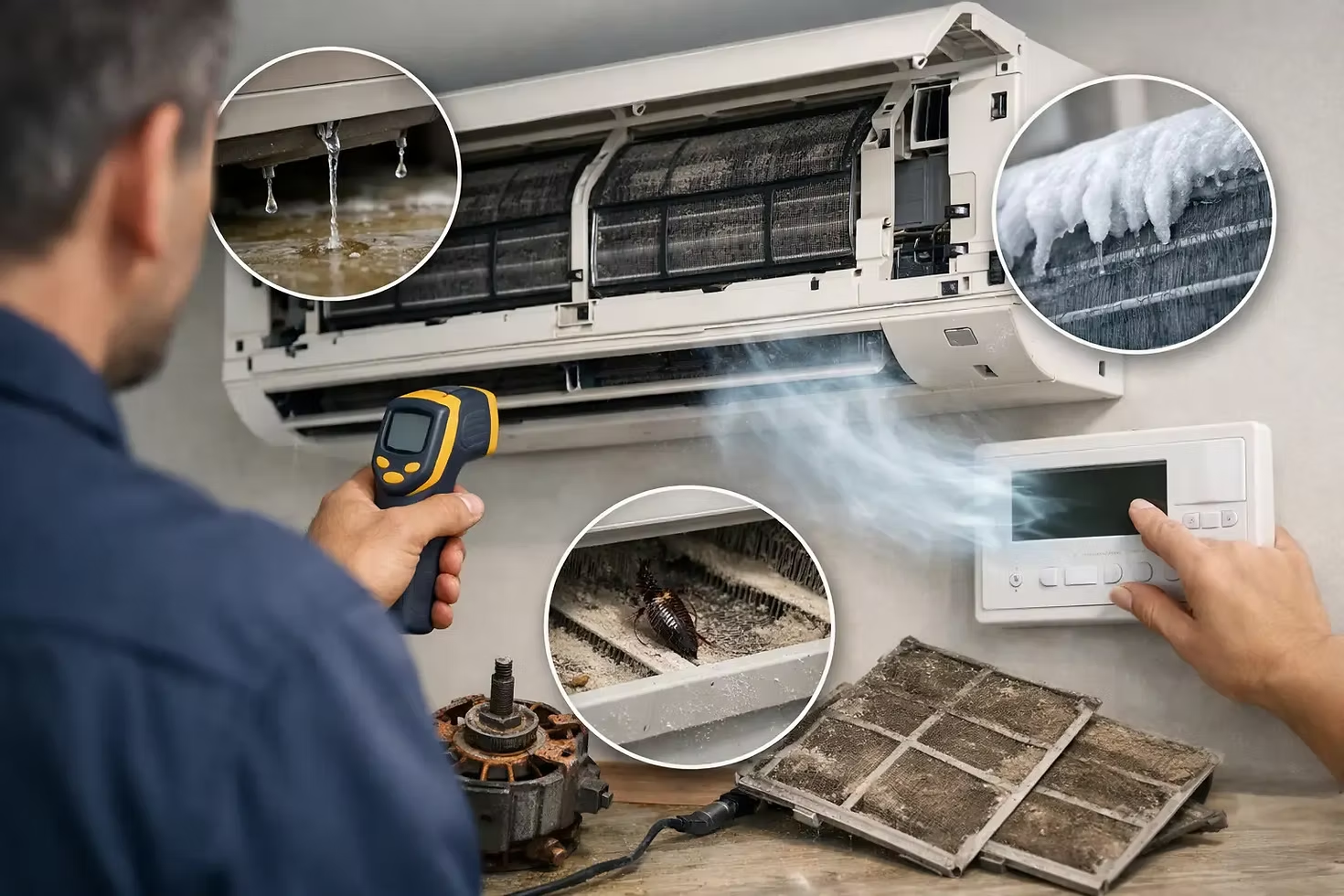
Heat and humidity push an air conditioner harder than any other season. Long run times, clogged filters, and blocked outdoor coils all add load that can expose a weak capacitor, a marginal blower motor, or a nearly clogged condensate drain. Catching early symptoms before a full breakdown protects the compressor, avoids water damage, and can keep indoor humidity from spiking. This article explains concrete signs your AC is trending toward failure, what those signs usually mean inside the system, simple checks you can safely perform, when to shut it down, and practical steps to prevent a repeat during the next hot spell.
-
Early symptoms that point to bigger AC problems
Many homeowners who end up Googling air conditioning repair in Alpharetta first notice longer cooling cycles and rooms that feel clammy even when the thermostat shows the setpoint. That pairing often means poor moisture removal from a dirty evaporator coil or low airflow across it. Other early clues include weak supply airflow at distant registers, a distinct click from the outdoor contactor without the fan starting, or air that begins cool but turns neutral after 10 minutes as ice forms on the indoor coil.
Electrical and drainage symptoms can also offer strong clues. A breaker that trips once may be an isolated event, but repeated trips point to a failing condenser fan motor or a shorted wire near the compressor. Water around an attic air handler suggests a clogged condensate drain or a stuck float switch in the secondary pan. A sweet or acrid odor after startup can be dust on the electric heat strips or a blower motor running hot. Bubbling or hissing near the line set can indicate a refrigerant leak, especially if cooling performance has gradually declined.
-
What those symptoms usually mean inside the system
When air feels humid and cycles run long, the coil may be starved for airflow because a pleated filter has loaded up with dust or the return grille is blocked by furniture. Reduced airflow lets the evaporator coil surface temperature fall below freezing, icing the fins and restricting airflow even more. In the outdoor unit, a condenser coil matted with grass clippings drives head pressure up, which overheats the compressor and can trip the thermal overload, stopping cooling until it cools down.
Electrical signs connect to specific parts. A loud hum followed by silence often points to a weak run capacitor that cannot start the compressor or outdoor fan. Rapid cycling can stem from a pitted contactor, a mislocated thermostat sensing a draft, or a control board fault. Water at the indoor unit commonly traces back to algae growth in the condensate trap or a sagging vinyl drain line. Each of these problems has a mechanical root, and running the system through them can escalate damage, like a scored compressor from low refrigerant or a warped blower wheel from prolonged imbalance.
-
Safe checks you can do in minutes.
Start with airflow and controls. Replace a dirty filter with the same size and a reasonable MERV rating for your equipment, typically MERV 8 to 11. Confirm the thermostat is in Cool, the fan is set to Auto, and the setpoint is at least 3 degrees below current room temperature. Open supply registers and clear return grilles. Outside, ensure the condenser coil has 18 to 24 inches of clearance from shrubs,s and that cottonwood fluff or lint is not plastered to the fins. If a breaker has tripped, reset it once only. Repeated trips call for a technician, not repeated resets.
Two quick scenarios show how small actions prevent bigger repairs. If you see frost on the large insulated copper suction line at the air handler or a sheet of ice on the evaporator coil, turn Cooling off at the thermostat and switch the fan to On for 60 to 90 minutes to thaw the coil before restarting and running. At the same time, ice reduces airflow and risks liquid refrigerant returning to the compressor. If you find water in the secondary drain pan under an attic unit or a float switch has opened, cut power to the air handler, vacuum the condensate drain from the exterior cleanout if accessible, and schedule service to clear the trap and check for a sagging line.
-
When to shut it down and call a technician
Some red flags justify stopping the system to protect it. Shut it down if the outdoor fan is not spinning while the compressor hums, the breaker trips more than once, you smell electrical burning near the air handler, or ice returns quickly after a full thaw. Warm air combined with a persistent hissing at the line set or evaporator points to a refrigerant leak, which only a licensed technician can address. Alpharetta’s humid summers add a high latent load, so an undercharged system or restricted airflow can let indoor humidity climb above comfort levels and encourage biological growth in ducts.
Stopping the system does not always mean going without comfort until help arrives. Often you can switch to Fan On to move air, use ceiling fans to enhance evaporation, and keep blinds closed on windows receiving direct sunlight to cut heat gain. Document what you observed, such as the exact time the breaker tripped or where water appeared, and share it with the technician. These details speed diagnosis of the condenser, air handler, thermostat wiring, or condensate routing, and reduce the chance of replacing a part that isn’t actually at fault.
Preventing a repeat during peak heat
Preventive steps target airflow, heat rejection, and drainage. After fully disconnecting power, rinse the outdoor condenser coil with a garden hose from inside out, avoiding pressure that can fold fins. Seal visible duct leaks at the plenum and accessible runs with mastic, not fabric tape, to reduce static pressure and temperature loss to a hot attic. Keep the condensate line pitched toward the outlet and clear the trap each spring. In humid months, change filters more often because fine particles load faster. A simple float switch in the secondary pan can shut the system off before water stains a ceiling if the primary drain clogs.
Choose filters with a MERV rating your blower can handle. While MERV 13 captures smaller particles, older PSC blower motors may struggle to maintain airflow through dense media, which can lead to coil icing and short cycling. For many systems, MERV 8 to 11 balances filtration and airflow. During heat waves, avoid extreme thermostat setbacks that force marathon recovery cycles at dusk. A modest 2 to 4 degree setback, combined with closing shades and running fans, lowers peak demand without pushing the compressor and evaporator coil to their limits. A spring tune-up that checks refrigerant charge, capacitor values, contactor wear, and temperature split finishes the prevention picture.
Air conditioners rarely fail without leaving clues. Watch for lingering humidity, weak vents, breakers that trip repeatedly, and water where it doesn’t belong. Use safe checks to correct simple airflow or drainage issues, and shut the system down when red flags point to electrical or refrigerant problems. With a few preventive habits and timely professional service, you can keep the compressor cool, the evaporator coil clear, and indoor humidity controlled when summer heat arrives again.
