


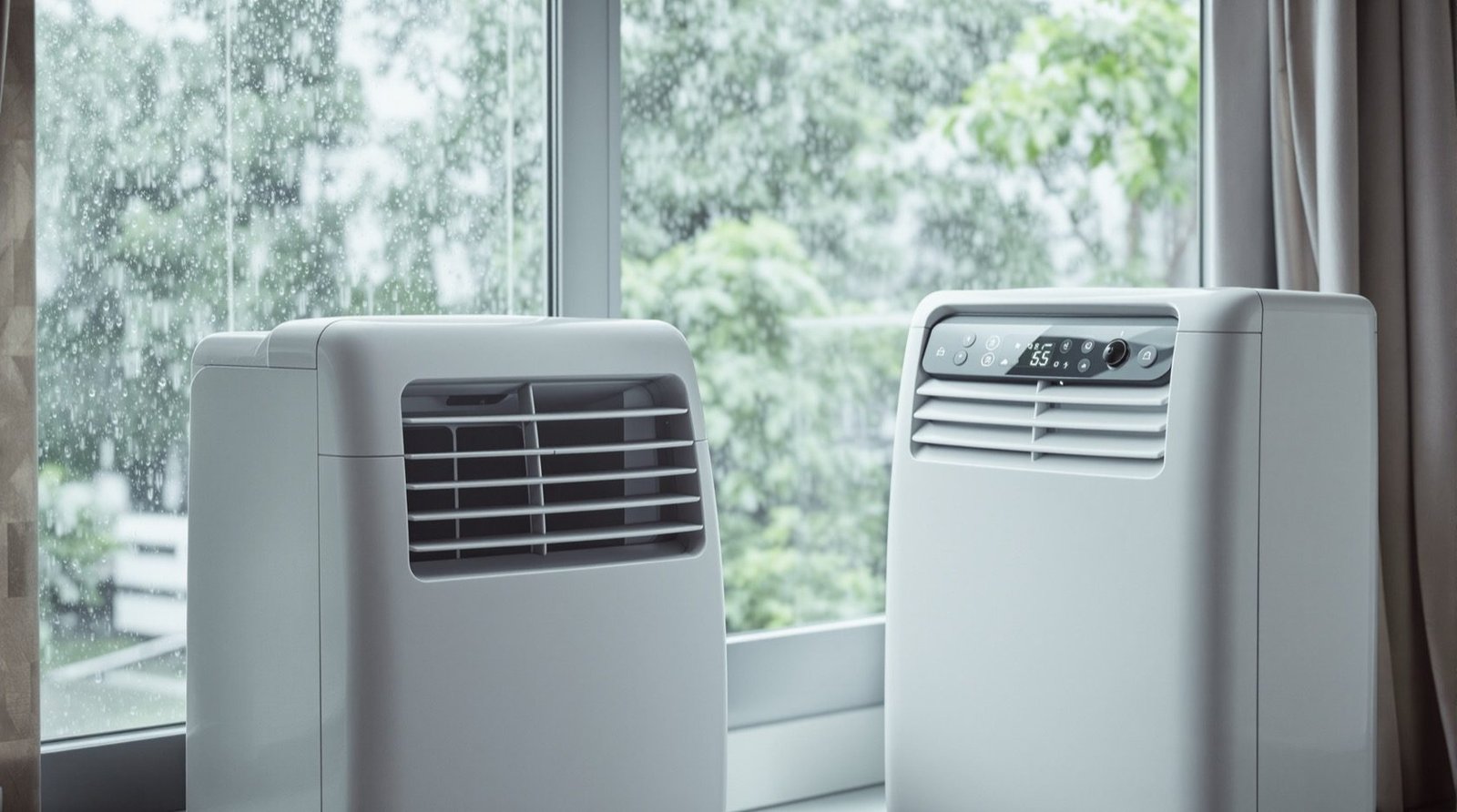
Coastal humidity can make a house feel sticky even when the thermostat shows a comfortable temperature. In Savannah, long cooling seasons, afternoon storms, and salt-laden air combine to keep outdoor dew points high. That moisture enters through leaky crawlspaces, duct gaps, and every time a door opens. If the HVAC system mainly lowers air temperature without removing enough water vapor, you can get cool yet clammy rooms, fogged windows, musty smells, and swelling wood trim. This article explains how to set realistic humidity targets, compares central equipment strategies that manage latent moisture, and outlines building improvements and maintenance steps that reduce moisture at its source.
-
Why Coastal Humidity Overwhelms Standard Air Conditioning
Air conditioners remove two kinds of heat: sensible heat that lowers temperature and latent heat contained in water vapor. In humid climates, the latent load can be substantial. Oversized single-stage systems often run short cycles, lowering the thermostat reading without keeping the evaporator coil cold long enough to remove enough moisture from the air. Fan settings matter too. Leaving the blower set to ON can allow moisture remaining on the coil to evaporate back into the supply air, which may raise indoor relative humidity. For a local evaluation of conditions such as dew point and return air humidity, a regional team’s Savannah, GA office can coordinate measurements and service.
Building conditions also influence indoor moisture. Vented crawlspaces can bring damp outdoor air beneath the home, especially when pressure differences pull that air toward the living space. Leaky supply and return ducts in those areas can worsen the problem by drawing humid air into the HVAC system or letting cooled air escape. When duct surfaces drop below the surrounding dew point, condensation may form on metal boots or nearby materials. That moisture can affect subfloors, insulation, and indoor comfort while increasing the HVAC system’s dehumidification load.
-
Set a Realistic Indoor Humidity Target, Not a Colder Thermostat
Trying to make a home feel drier by setting the thermostat much lower than your preferred temperature is often inefficient. Overcooling can increase energy use without consistently controlling humidity, especially in mild weather when the system doesn’t run long enough to remove much moisture. For many homes, maintaining indoor relative humidity in the middle of the normal comfort range can reduce clamminess. Still, the right target depends on the building, occupants, and outdoor conditions.
A thermostat with humidity monitoring or a separate hygrometer placed away from supply registers can help you track actual indoor moisture instead of relying only on how the air feels.
Airflow also plays an important role. If airflow across the evaporator coil is too high, the coil may not remove as much moisture. If airflow is too low, the system can develop icing or other performance problems. A technician can measure supply and return temperatures, static pressure, airflow, and condensate production to determine whether the equipment is balancing sensible cooling and latent moisture removal appropriately.
-
Variable Speed AC Versus Whole House Dehumidifiers in Coastal Homes
Modern variable-speed air conditioners and heat pumps can run longer at lower capacity. These longer cycles may improve dehumidification because the evaporator coil stays active longer while room temperature changes more gradually. Proper sizing and controls still matter, because even variable-capacity equipment may not run enough during mild, rainy weather when indoor moisture remains high. Still, the temperature does not require much cooling.
A whole-house dehumidifier provides a separate method of moisture control. It can remove moisture even when the air conditioner isn’t running much, which can be useful during mild, rainy periods. Depending on the design, it may connect to the central duct system or serve specific areas through dedicated ductwork.
These systems add electrical use and release some heat while operating, but they can reduce the need to overcool the home just to lower humidity. Proper installation should include suitable filtration, drainage, controls, and duct design so the dehumidifier does not create airflow or pressure problems.
-
Crawlspaces, Ducts, and Condensate: Control Moisture at the Source
A vented crawlspace in a coastal climate can contribute significantly to indoor moisture. Depending on the home, improvements may include installing a continuous ground vapor barrier, sealing outside air openings where appropriate, improving drainage, insulating selected areas, and using dedicated moisture control.
The correct crawlspace strategy depends on local codes, site drainage, structural conditions, and whether combustion appliances are present, so professional evaluation is important before making major changes.
Duct leakage also increases the HVAC system’s moisture load. Sealing accessible joints with approved materials and insulating ducts in unconditioned areas can help reduce both energy loss and condensation risk.
Inside the air handler, condensate drainage should remain clear and properly configured. Drain lines need a suitable slope and trapping according to the equipment design. Safety switches and secondary drain protection can help reduce water damage if a blockage occurs.
Homeowners can keep drain areas accessible and clean and watch for water where it shouldn’t be. Still, a technician should evaluate persistent drainage issues rather than repeatedly treating them without identifying the cause.
-
Two Savannah Scenarios and How to Configure Each
Consider a historic wood-frame home with a vented crawlspace and a single-stage air conditioner. Higher moisture loads may come from ground vapor, outdoor air entering the crawlspace, and duct leakage. Addressing those sources can reduce the amount of moisture the HVAC system must remove. If the cooling equipment is oversized, a properly sized staged or variable capacity replacement may provide longer cycles and more consistent moisture control. A dedicated whole-house dehumidifier may also help during mild weather when the air conditioner does not run enough to maintain comfortable humidity.
Now consider a tighter townhome with a two-stage heat pump and a better building envelope. Cooling demand may be modest in spring and fall, so the system may not run long enough to dehumidify effectively, even when outdoor humidity is high. In that situation, a ducted dehumidifier may provide better independent moisture control. Any added ductwork should be designed to keep static pressure within manufacturer limits and ensure ventilation does not introduce more moisture than the equipment can handle.
Make Humidity Control a Whole House Strategy
Humidity control in a coastal city is not guesswork. It depends on indoor targets, equipment capability, building leakage, duct condition, drainage, and routine maintenance.
Start by measuring indoor humidity in several rooms and watching how it changes during rain, mild weather, and peak cooling periods. Then address major moisture sources such as crawlspaces, duct leakage, and poorly controlled outdoor air.
Choose equipment and controls that can manage latent moisture during muggy weather and periods of low cooling demand. Keep filters, condensate drains, and pans clean so the system can operate as designed.
With a deliberate approach that combines building improvements, proper airflow, suitable equipment, and regular maintenance, Savannah homeowners can make indoor spaces feel both cool and comfortably dry.
