


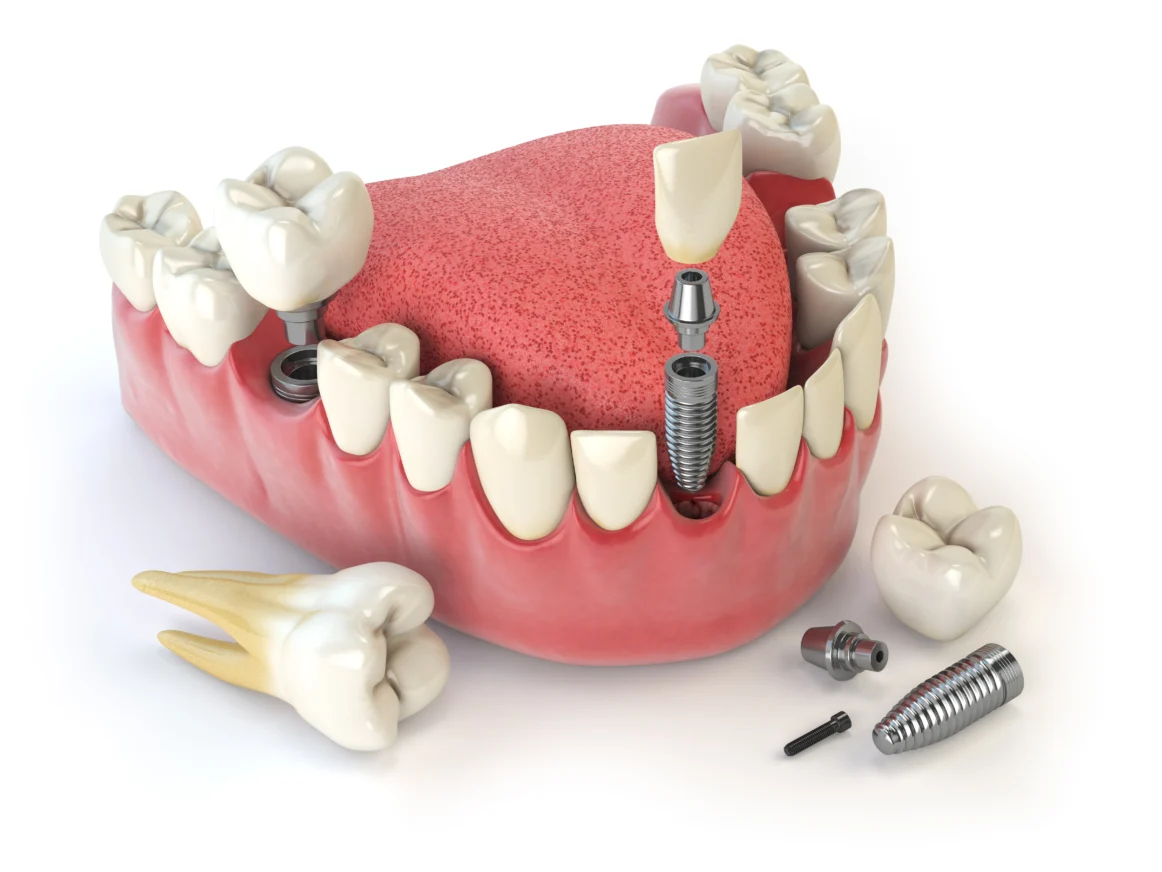
Hearing that a failing tooth needs to come out is stressful, and the next question usually follows fast: can the implant go in the same day, or is it safer to wait? There is one one-size-fits-all answer. It depends on the socket’s condition, bone density on imaging, tissue quality, infection status, and whether the implant can be stabilized without chewing forces moving it. Understanding the clinical checkpoints your dentist evaluates helps you set realistic expectations and protect the result, whether you choose immediate placement or a staged approach.
-
What Makes Immediate Implant Placement Possible After Extraction
Immediate placement is considered when an atraumatic extraction leaves the socket walls largely intact, especially the thin buccal plate, and a cone beam CT (CBCT) confirms enough bone apically or palatally for primary stability. The surgeon wants to achieve a solid insertion torque or a high implant stability quotient (ISQ) so the fixture does not micromove during early healing. Healthy, keratinized gingiva that can be adapted around a healing abutment improves tissue contour. If a gap remains between the implant and socket wall, clinicians often use particulate graft material and a resorbable membrane to support tissue maturation. For a plain language overview of implant parts and healing timelines, this website explains the components clearly.
Another key requirement is the absence of active infection. A dry socket is uncomfortable but is not the same as a chronic periapical abscess. If purulence or a large granuloma is present, debridement may not fully eliminate contaminated tissue in one visit. Immediate placement into infected sites increases the risk of early failure and of recession that can expose threads in the esthetic zone. Finally, if a temporary crown is used the day of surgery, it is kept completely out of occlusion so biting and clenching do not transmit forces that could disrupt osseointegration.
-
When Early or Delayed Placement Is the Safer Plan
Delayed placement is often recommended if the facial plate is missing or paper-thin, the socket is widened from a vertical root fracture, or a large endodontic lesion leaves soft bone at the apex. In the upper jaw, a low sinus floor above a molar limits implant length and may call for sinus augmentation first. In the lower posterior region, the inferior alveolar nerve limits vertical height; attempting immediate placement without enough native bone risks nerve injury. In these scenarios, the surgeon may remove the tooth, thoroughly debride the socket, place a ridge preservation graft, and return later for implant placement when denser bone has formed.
Systemic factors can also tip the balance. Heavy smoking reduces blood supply and slows soft tissue closure. Uncontrolled diabetes or recent bisphosphonate use affects bone remodeling. Severe bruxism increases micromotion at the bone-implant interface. Any bone-implant push the plan toward a staged approach with guided bone regeneration (GBR), membrane protection, and more time before loading. With a longer healing period, a removable temporary like a flipper or Esche appliance must be relieved so it does not press on a fresh graft or the healing abutment.
-
Two Realistic Cases That Illustrate the Decision
A 32-year-old chips her front tooth, and the central incisor splits below the gumline. The root is intact but non-restorable. CBCT shows a non-restorable tooth and an intact facial plate. The dentist performs an atraumatic extraction, places an implant with apical bone engagement for primary stability, fills the small circumferential gap with xenograft, covers it with a resorbable membrane, and seats a screw-retained provisional. A healing collar or provisional helps shape the papillae while the patient avoids biting into crusty bread or apples during the initial weeks.
Contrast that with a 58-year-old upper first molar that failed root canal therapy years ago. The site has a chronic periapical infection and a pneumatized maxillary sinus. Immediate placement would risk contamination and leave inadequate implant length under the sinus floor. The tooth is removed, the socket is debrided, and ridge preservation is performed with allograft and a collagen plug. Months later, a lateral window sinus lift adds vertical height, and the implant is placed into a denser, graft-matured ridge. A tempograft-matured denture is relieved so it does not compress the graft; the chin is shifted to the other side; the surgeon clears the patient to load the area.
-
Tradeoffs Patients Notice: Time, Esthetics, and Complexity
Immediate placement can shorten the overall timeline and reduce the number of surgeries, especially in the esthetic zone where a same-day provisional improvement is possible. The tradeoff is stricter criteria for socket integrity and implant stability, along with meticulous temporary design to keep the implant unloaded. If those criteria are not met, forcing the schedule can backfire with recession, gray showing through, or the need for unplanned grafting later.
A delayed plan usually means better control over soft tissue and bone volume through staged GBR or sinus augmentation. However, it requires patience and an interim solution. Options include an Essex retainer, a flipper, or a bonded Maryland bridge for front teeth; each has pros and cons for comfort, speech, and pressure on the site. Discussing occlusion, nightguard use for clenching, and how your temporary will be relieved helps match expectations with biology.
Protecting the Surgical Site and the Implant During Healing
No matter the timeline, small habits influence healing. Many surgeons recommend a chlorhexidine rinse for the first week, then gentle saltwater rinses. Avoid brushing directly over the membrane until it clears. Eating on the opposite side prevents micromovement at the interface while bone weaves onto the implant surface. Straws and smoking create negative pressure and reduce oxygenation, so both are avoided to protect the blood clot and soft tissue seal.
Early follow-ups allow the team to check soft tissue closure, remove sutures, and verify that a removable appliance is not rubbing the ridge. Later, the team may reassess stability before fabricating the final crown. After restoration, maintenance can include interproximal floss, interdental brushes that fit under the connector, and water flossers to remove plaque around the collar without traumatizing the tissue. Bruxers often benefit from a nightguard to limit lateral forces on the implant crown.
Choosing immediate or delayed implant placement is not about speed alone. It is a biologic decision driven by socket anatomy, infection control, bone stability, and how the tooth will be loaded during healing. Ask your dentist to review your CBCT, describe the facial plate condition, and explain how they will achieve primary stability with grafting and temporary teeth. Clarify how your appliance will be relieved, what you can safely chew, and when you will return for checks. With clear criteria and thoughtful aftercare, either path can lead to a durable, natural-looking result.
