


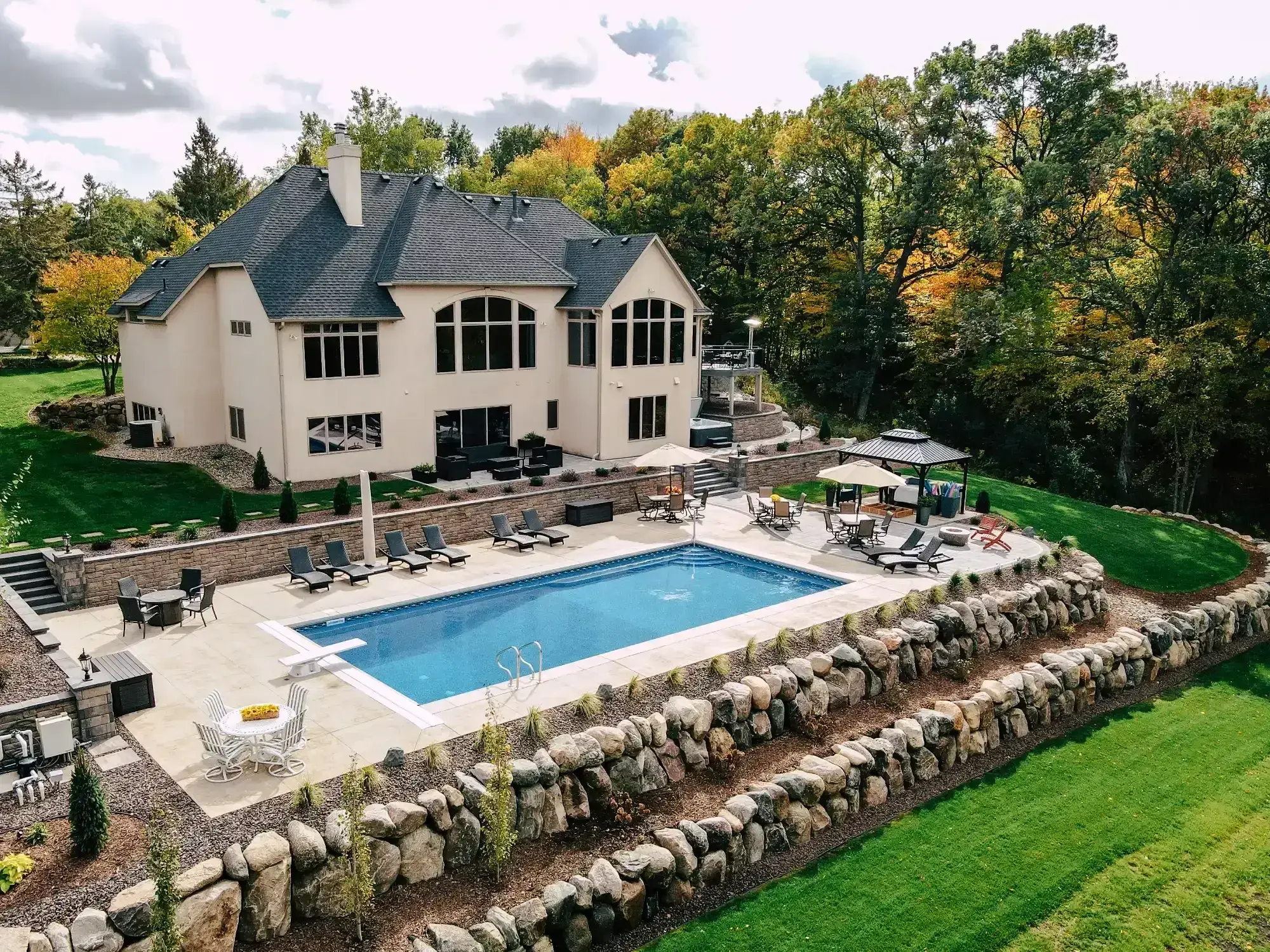
Backyard pools work beautifully in the Upper Midwest, but the design must respect long freezes, spring thaws, and short shoulder seasons. In Minneapolis, the frost line, clay-heavy soils, and snow loads change choices someone in a Sun Belt market might take for granted. Getting the details right early helps the shell resist seasonal movement, keeps plumbing from freezing, and makes openings and closings routine instead of stressful. This article focuses on five decision areas that matter most in cold climates: site constraints, shell selection, plumbing and winterization access, heat and covers, and decking with drainage. If you organize your project around these points, you can swim more, worry less, and protect the structure for the long term.
-
Cold Climate Constraints That Shape Pool Design
Freeze-thaw cycles, snow drifting, and soil movement dictate how the pool sits in the yard. Orientation affects solar gain and wind exposure; a pool placed to catch afternoon sun and shielded with hedges or privacy fencing can feel warmer and lose less heat to wind-chopped evaporation. Shallow utilities and mature trees complicate excavation and crane access, especially in tight Minneapolis lots. High clay subgrades need careful compaction and drainage so water does not collect against the shell. Plan where snow from plowing and roof shedding will land; avoid piling it over skimmers, equipment pads, or automatic cover boxes.
Homeowners comparing options for Minneapolis swimming pool builders often ask which details change most in a cold region. The answer starts below grade: footings, walls, and plumbing must live below the local frost line or be fully protected, and the site must drain. Those two realities ripple through everything from the rebar schedule in a gunite shell to the depth of return lines and the location of the equipment pad. Getting the constraint right first prevents costly mid-build redesigns and future service headaches.
-
Choosing a Shell: Gunite, Fiberglass, or Vinyl in Freeze-Thaw Conditions
Shell selection sets the pool’s tolerance to seasonal ground movement. Gunite or shotcrete pools offer custom shapes and benches, and their steel reinforcement can be engineered for frost-prone soils with thicker beams and strategic rebar around steps and sun shelves. Properly placed expansion joints between the pool and deck reduce stress transfer to the shell. Fiberglass shells arrive as one piece, so backfill and drainage are critical; clean, compacted stone backfill and a sump well let water be relieved so hydrostatic pressure does not lift the shell during wet springs. Radiused corners and integrated steps in fiberglass shells distribute loads more gently than tight angles.
Vinyl-lined pools rely on steel or polymer wall panels anchored to a concrete collar. In cold climates, polymer panels resist corrosion, and the base under the liner needs to be smooth and well compacted to handle frost heave. Each shell type works in Minneapolis, but the build details shift: gunite leans on reinforcement and joints, fiberglass on backfill and groundwater control, and vinyl on panel stability and liner support. A common mistake is choosing based on summer aesthetics alone; ask instead how the system handles March thaws and saturated soil.
-
Plumbing Depth, Equipment Placement, and Winterization Access
Plumbing strategy in a freeze climate prioritizes depth, drain paths, and service access. Return lines, skimmer lines, and the suction run to the main drain should be buried below the frost line when practical, with sweeping 45-degree bends rather than tight elbows to ease air purging during winterization. Designers often slope lines toward a sump or equipment pad to promote drainage after blowing them out. Unions and isolation valves at the equipment pad speed fall shutdowns, while threaded plugs and gizmos in skimmers add redundancy against trapped water. Many builders add an accessible hydrostatic relief point to manage groundwater during spring openings.
Equipment placement can make or break winter serviceability. Locate the pump, filter, and heater on a stable pad with clear access even when snow accumulates; avoid downspouts and roof valleys that dump meltwater onto the pad. Gas heaters need compliant venting and clearance from walls and windows, and air-source heat pumps need open airflow that snow fencing or shrubs don’t block. Automation panels with freeze-protect modes help circulate water during cold snaps in the shoulder season, but they do not replace full winterization once the pool is closed.
-
Heat Sources, Covers, and Realistic Season Extension
In Minneapolis, extending the swim season hinges on energy balance. Gas heaters raise water temperature quickly during cool spells, making them effective for May and September weekends. Air source heat pumps deliver efficient heat in milder air but lose output in cold, windy weather. Solar gain helps when the pool sits in the sun, and wind is mitigated. The biggest lever is evaporation: an automatic cover or manual thermal blanket traps heat, curbs water loss, and keeps leaves out. Matching heater type to your usage pattern is the trade-off: gas favors on-demand comfort; heat pumps reward steady, moderate target temperatures in warmer stretches.
Cover strategy shifts again for winter. Many owners use an automatic cover for the swim season and switch to a mesh or solid safety cover after closing. Mesh sheds water and resists heavy snow loads with less pumping, while solid covers block light more completely, which can reduce spring algae. Follow manufacturer guidance on snow and ice; forcing a mechanical cover to act as a winter safety cover can overtax its mechanism. Lower the water to the level recommended for your cover system and skimmers, protect lines, and secure anchors so freeze-thaw movement does not loosen the perimeter.
Decking, Drainage, and Movement Joints for Surviving Winter
Deck materials respond differently to freeze-thaw. Poured concrete looks clean and handles furniture well, but it must include control joints and an isolation joint at the coping so slab movement does not press on the shell. Paver systems with polymeric sand can accommodate small movements and make spot repairs easier if frost lifts one area. In both cases, pitch the deck away from the pool edge and install channel drains where water might collect; route discharge to daylight or a dry well so meltwater does not sit against the pool beam.
Drainage below the surface matters too. A gravel subbase and geotextile fabric beneath pavers reduce pumping of fine soils during thaws. Around gunite or fiberglass pools, perimeter French drains or weep lines relieve hydrostatic pressure, especially on lots with a high water table. Consider coping choices: a cantilevered concrete edge is sleek but ties the deck closely to the shell; many cold climate builds prefer separate coping stones or a foam expansion strip to decouple movements. One realistic scenario: a narrow city lot with shade on the north side may benefit from pavers and extra drains along the fence. In contrast, a windy suburban corner lot may benefit from windbreaks and an automatic cover to hold heat.
Putting these choices into a cold-climate plan pays off for years. Start by documenting constraints: sun path photos in June and September, prevailing wind observations, utility locations, and any wet spots after storms. Decide on a shell with a drainage strategy that suits your soils, specify plumbing that can be fully blown out, and place the equipment where snow and meltwater will not bury it. Choose a heater based on how you actually swim, and pair it with a cover that controls evaporation. Finally, build a deck and drain system that sheds water and allows movement. Share this brief with your designer and local inspector so everyone is working from the same cold-weather playbook.
