


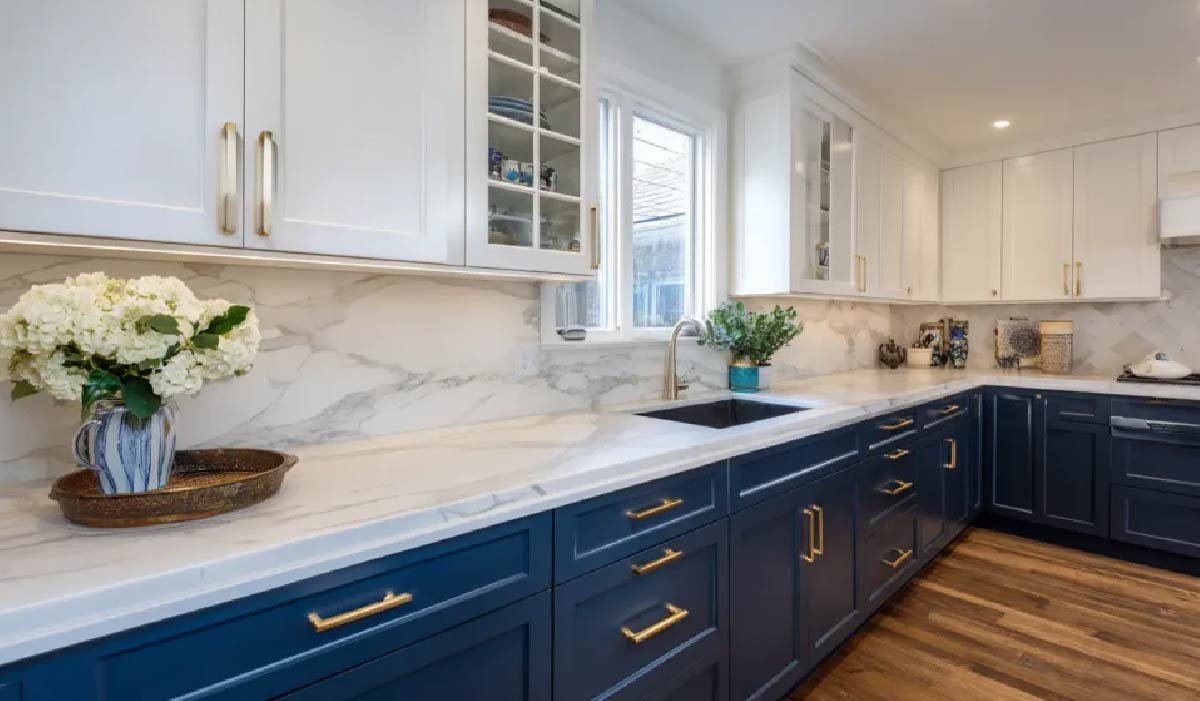
Cabinets are among the most noticeable features in kitchens, bathrooms, laundry rooms, home offices, and other functional spaces, which means their condition can have a strong influence on the overall appearance of an interior. Because cabinets are used frequently, their surfaces can gradually develop scratches, stains, fading, chipped areas, and signs of general wear. Even when the cabinet structure remains useful and dependable, an outdated finish can make the entire room feel older than it actually is. Replacing every cabinet can involve considerable expense, disruption, and construction work, while refinishing existing surfaces can provide another way to create a refreshed appearance. Professional cabinet painting can transform suitable existing cabinetry by combining detailed preparation, appropriate coatings, careful application, and thoughtful color selection. When the process is planned correctly, homeowners can update the visual character of their space while retaining cabinetry that already fits the layout and storage requirements of the property.
Evaluating Existing Cabinets Before the Project
A successful cabinet transformation should begin with an assessment of the existing cabinetry. Not every cabinet surface will respond to paint in exactly the same way, so the material, condition, previous finish, hardware, and construction should all be considered before work begins. Cabinets may be made from solid wood, engineered materials, laminate, or combinations of different substrates, and each can have specific preparation requirements. Doors and drawer fronts should also be examined for cracks, loose joints, damaged edges, or other problems that could affect the finished result. If the cabinet boxes are structurally sound and the layout remains practical, painting may provide an opportunity to improve the appearance without changing the entire configuration. A careful assessment helps determine what preparation is required and whether selected surfaces are suitable for a new coating.
Understanding the Importance of Preparation
Preparation is one of the most critical stages of a cabinet project because these surfaces are frequently touched, opened, closed, cleaned, and exposed to everyday household activity. Grease, cooking residue, fingerprints, dust, and cleaning products can accumulate over time, creating a surface that is unsuitable for immediate painting. Proper preparation may involve thorough cleaning, removal of contaminants, sanding, repairing imperfections, and applying appropriate primer where needed. Existing loose or damaged coatings may also need to be addressed before new paint is applied. Skipping preparation can result in poor adhesion, uneven coverage, visible imperfections, or premature wear. Taking the time to create a clean and stable foundation gives the new finish a much better opportunity to perform properly.
Selecting a New Cabinet Color
Color selection can completely change the character of a kitchen or other room containing cabinetry. Light shades can create a brighter and more open appearance, while deeper colors can introduce contrast and visual depth. Neutral tones can provide flexibility when homeowners want to coordinate cabinets with different countertops, flooring, appliances, or decorative elements. More distinctive colors can also be used when the goal is to create a focal point or express a particular design preference. The most suitable choice depends on the existing environment and the atmosphere the homeowner wants to create. It is useful to consider the entire room rather than choosing a cabinet color independently because cabinets occupy substantial visual space and can strongly influence how surrounding features are perceived.
Coordinating Cabinets With Countertops and Flooring
Cabinet color should work naturally with the other major surfaces in the room. Countertops, backsplashes, flooring, appliances, walls, and lighting can all affect the appearance of a cabinet finish. A cabinet color that looks appealing by itself may not create the desired result when placed next to a particular countertop or flooring material. Homeowners should therefore consider undertones, contrast, texture, and lighting before making a final decision. A coordinated approach can create a more unified room without requiring every element to match exactly. In many cases, contrast can be just as effective as coordination, provided the different materials and colors maintain a balanced relationship.
Preparing Doors and Drawer Fronts
Cabinet doors and drawer fronts require particular attention because their large, visible surfaces can reveal imperfections easily. Before painting, hardware may need to be removed so that the coating can be applied more consistently around edges and openings. Doors can be inspected for dents, scratches, loose components, or previous paint problems. Sanding and cleaning can help prepare the surfaces, while repairs may be completed before priming and painting. Keeping doors and drawer fronts organized throughout the project is also important because each piece needs to return to the correct location after completion. Careful handling during preparation and application can contribute significantly to a consistent finished appearance.
Paying Attention to Cabinet Boxes
While doors and drawers attract much of the visual attention, cabinet boxes also require careful preparation. The exposed portions of the boxes need to coordinate with the newly finished doors, particularly around corners, edges, shelves, and adjacent walls. Grease and residue can be especially common around kitchen cabinet boxes, making thorough cleaning an important step. Areas around hinges and hardware may also require detailed preparation. Because these sections are often more difficult to access than removable doors, careful application techniques can help maintain consistent coverage. Treating the cabinet boxes with the same level of attention as the doors creates a more complete transformation.
Choosing the Appropriate Finish
The final appearance of cabinets depends partly on the selected paint finish. Different levels of sheen can produce different visual effects and may also vary in how they respond to cleaning and everyday use. Kitchens and other frequently used areas generally require finishes that can tolerate regular handling and maintenance. A finish that is too delicate may show wear quickly, while an excessively reflective surface may highlight imperfections that were not visible with a flatter appearance. Product selection should therefore consider both appearance and practical performance. The ideal finish should complement the overall design while being appropriate for the level of use the cabinets experience.
Protecting Surrounding Areas
Cabinet projects often take place in spaces containing countertops, sinks, appliances, flooring, backsplashes, and other finished surfaces. Protecting these areas before preparation and painting begins is an important part of maintaining an organized workspace. Countertops and floors can be covered, while appliances and fixtures can be protected from dust, sanding residue, and accidental paint marks. Hardware and removable components should also be stored safely so they do not become misplaced during the project. Good protection practices reduce the possibility of accidental damage and make cleanup more manageable. They also allow the painter to focus more effectively on the cabinet surfaces themselves.
Creating Consistent Coverage
Consistency is essential when painting cabinets because differences in coverage or texture can become highly visible across repeated doors and drawer fronts. Each surface should receive appropriate attention so that color and finish remain uniform throughout the cabinetry. Application methods should be selected according to the cabinet material, product requirements, and desired appearance. Corners, edges, recessed panels, and raised details can require additional care because paint may behave differently in these areas. Maintaining a consistent process from one cabinet component to another helps create a cohesive result. Careful inspection between stages can also identify areas that require additional attention before the final finish is considered complete.
Updating Hardware Alongside Painted Cabinets
Cabinet hardware can influence how a newly painted cabinet system looks. Handles, knobs, hinges, and pulls may already complement the new color, or they may appear outdated once the cabinets have been refreshed. Replacing selected hardware can provide an additional visual update without requiring major changes to the cabinetry. The size, shape, finish, and placement of hardware should be considered alongside the cabinet color and overall room design. Even small hardware changes can alter the character of the finished space. However, hardware replacement is not always necessary, and existing pieces may continue to work effectively when they are in good condition and coordinate with the new finish.
Managing the Painting Process
Cabinet projects require organization because the work may involve numerous individual components. Doors and drawer fronts need to be identified, removed, prepared, painted, dried, and reinstalled in a controlled sequence. Homeowners may need to adjust how they use the kitchen or another room while the work is underway. Preparing meals, storing essential items, and accessing frequently used cabinets can become more challenging during the project, so advance planning can reduce inconvenience. A structured process allows each stage to be completed carefully without rushing. Proper organization is especially valuable when a large number of cabinet components are involved because small mistakes in labeling or handling can create unnecessary delays.
Considering Kitchen Lighting
Lighting can influence how cabinet colors and finishes appear throughout the day. Natural light entering through windows may make colors appear brighter or cooler, while artificial fixtures can change their appearance during the evening. Under-cabinet lighting can also highlight the relationship between cabinet finishes, countertops, and backsplashes. Homeowners should therefore evaluate color samples under the lighting conditions that exist in the actual room. Considering these factors before the project begins can help prevent unexpected differences between the selected color and the final appearance. Lighting should be viewed as part of the overall design rather than as a separate element because it interacts continuously with cabinet surfaces.
Refreshing More Than the Kitchen
Although kitchens are among the most common locations for painted cabinetry, cabinets can also be found in bathrooms, laundry rooms, offices, mudrooms, entertainment spaces, and storage areas. Each environment has different requirements based on moisture, traffic, cleaning frequency, and daily use. Bathroom cabinetry, for example, may require consideration of humidity, while office cabinets may primarily need a finish that supports a clean and organized appearance. Applying a consistent design approach across multiple areas can help create visual continuity throughout the property. At the same time, each room can have its own color or finish when different functional and aesthetic requirements make that appropriate.
Maintaining Newly Painted Cabinets
Once the project is complete, proper maintenance can help preserve the appearance of the new finish. Cabinets should be cleaned according to the recommendations appropriate for the selected coating, and harsh cleaning methods should generally be avoided unless the product specifically allows them. Spills and stains should be addressed promptly rather than being left on the surface for extended periods. Hinges, handles, and other hardware can also be inspected periodically to ensure they remain secure. Homeowners should watch for small chips, scratches, or areas of wear and address them before damage spreads. Routine maintenance can help extend the attractive appearance of painted cabinets and reduce the need for extensive future work.
Knowing When a Refresh Makes Sense
Painting can be particularly useful when cabinets remain structurally functional but their appearance no longer suits the room. If the layout provides adequate storage and the doors and boxes are in reasonable condition, changing the finish can offer a significant visual update without completely replacing the cabinetry. This approach can also allow homeowners to preserve a familiar layout while making the space feel substantially different. However, cabinets with major structural damage, extensive deterioration, or serious moisture problems may require additional evaluation before painting is considered. Understanding the condition of the cabinetry helps homeowners determine whether a cosmetic transformation is appropriate or whether more extensive work is needed.
Making the Updated Cabinets Part of a Larger Design
A cabinet transformation can become the foundation for additional interior improvements. Once the cabinetry has a new finish, homeowners may choose to update lighting, wall colors, backsplash materials, hardware, countertops, or decorative accessories. These changes do not necessarily need to happen at the same time. Instead, a well-chosen cabinet color can provide a foundation that supports gradual improvements over time. Planning with future changes in mind can help homeowners avoid selecting colors or finishes that limit their options later. A thoughtful design approach allows the cabinets to become part of a broader interior style rather than appearing disconnected from the rest of the room.
The Value of Professional Attention to Detail
Cabinet work demands precision because the surfaces contain edges, corners, recessed areas, hardware openings, and repeated components that can reveal inconsistencies. Professional experience can help ensure that preparation and application are approached systematically. Skilled painters understand that a quality finish depends heavily on cleaning, sanding, priming, product selection, and controlled application rather than simply adding multiple coats of paint. They can also organize removable components, protect surrounding surfaces, and maintain consistency throughout the project. Attention to detail is especially important because cabinets are frequently viewed at close range. Small imperfections that might be difficult to notice on a large wall can become obvious on a cabinet door, making careful workmanship an important part of the overall result.
Conclusion
Updating cabinetry can provide a meaningful visual transformation without requiring homeowners to completely replace existing storage systems. The process involves much more than changing color, as successful results depend on evaluating the existing cabinets, preparing every surface properly, selecting suitable products, protecting surrounding areas, and applying the finish consistently. Color coordination, lighting, hardware, room function, and future design plans should also be considered when developing the project. With thoughtful preparation and careful workmanship, painted cabinets can give kitchens, bathrooms, offices, and other spaces a refreshed appearance while allowing homeowners to retain a layout that already works for their needs. Professional cabinet painting can combine practical surface care with a new visual direction, making it possible to transform worn or outdated cabinetry into a finish that feels clean, coordinated, and intentionally designed. When properly maintained, cabinet painting can remain an effective way to support the appearance and functionality of an interior for years to come.
