


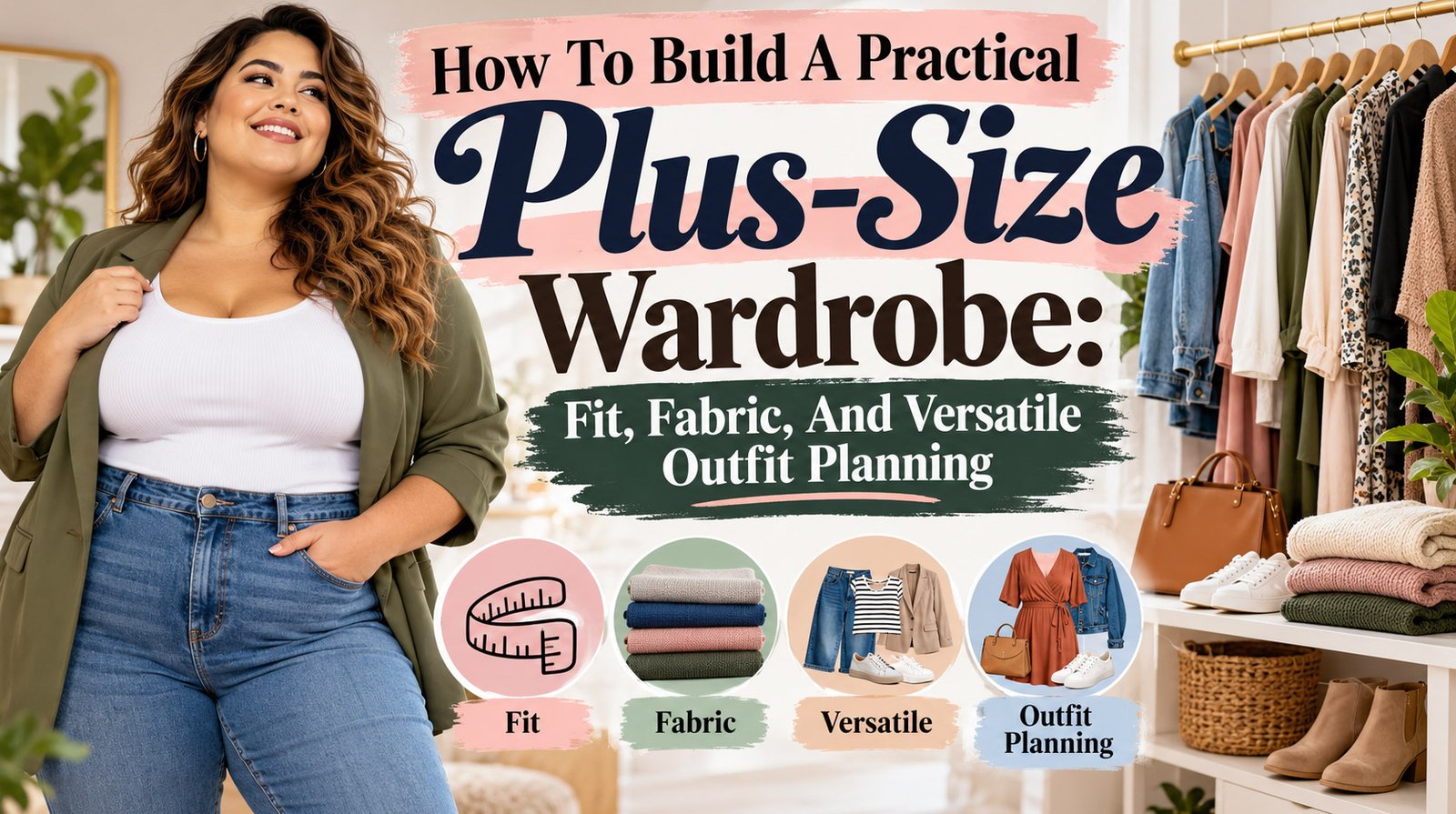
A practical wardrobe should make ordinary days easier, whether you are commuting, working from home, meeting friends, traveling, or relaxing. Browsing womens plus size clothing can be a useful starting point for identifying categories you need. Still, the most successful wardrobe is built around your own routine, comfort preferences, and style.
Start With Real Life
Before buying anything, review a typical week. Consider work dress codes, transportation, weather, errands, social plans, exercise, access to laundry, and how often you need polished outfits. A remote worker may benefit from soft knits, comfortable bottoms, and one dependable layer for video calls. An office employee may need trousers, blouses, and a jacket that can move comfortably through a full day. A frequent traveler may prioritize wrinkle-resistant pieces, layers, and shoes that suit long walks. Pull out the pieces you reach for repeatedly, then notice what stays unworn. Unused clothing may have the wrong fit, require too much care, or not match your present lifestyle. That distinction helps separate a real wardrobe gap from a temporary urge to shop.
Use Fit As The Main Filter
Sizes are a starting point, not a guarantee. The same labeled size can feel different depending on the brand, fabric, cut, and intended silhouette. Check your current bust, waist, hip, thigh, shoulder, and inseam measurements when shopping online, then compare them with the garment details when available.
What To Check Before Buying
-
Whether the design is meant to be fitted, relaxed, oversized, or structured.
-
Stretch content and whether the fabric returns to shape after movement.
-
Rise and inseam for jeans, trousers, leggings, and shorts.
-
Room through the shoulders, upper arms, bust, hips, and thighs.
-
Closures, adjustable straps, waistbands, seams, and pocket placement.
A structured woven dress may need enough ease through the bust and hips for sitting comfortably. Leggings may rely more heavily on a waistband that stays in place and fabric that feels comfortable during walking, bending, and lounging.
Match Fabric to the Job
Fabric influences drape, warmth, airflow, movement, and care. Understanding basic textile structures and fibers can make product descriptions easier to interpret, especially when deciding between a soft knit, stretch denim, a crisp woven fabric, or a heavier sweater knit.
-
Lightweight knits: Useful for easy everyday tops, casual dresses, and layering pieces.
-
Stretch denim: A practical option for jeans, skirts, and jackets when you want structure with added mobility.
-
Structured woven fabrics: Often useful for trousers, blazers, button-front shirts, and polished dresses.
-
Breathable lightweight fabrics: Helpful for warm-weather outfits and travel layers.
-
Fleece and sweater knits: Useful for insulation during colder months and relaxed days.

Choose Practical Wardrobe Foundations
Think in categories instead of following a rigid shopping checklist. A balanced wardrobe might include comfortable everyday tops, one polished blouse or knit, preferred jeans or trousers, a versatile dress or jumpsuit, a useful cardigan or jacket, movement-friendly clothing, seasonal outerwear, and one or two pieces that feel distinctly personal. Foundations do not need to be all black, beige, or gray. Color, print, texture, and statement details can be just as versatile when they coordinate with several items already in your closet. A bright blouse that works with your favorite denim, trousers, and skirt can earn as much wear as a neutral top.
Build Repeatable Outfit Formulas
Outfit formulas reduce decision fatigue while leaving room for creativity. Start with combinations that already feel good, then switch colors, accessories, shoes, and layers.
-
Fitted top, wide-leg bottoms, and a structured layer.
-
Relaxed blouse, straight-leg denim, and polished shoes.
-
Dress, casual jacket, and sneakers or boots.
-
Leggings or pull-on pants, a longer top, and an open cardigan.
-
Matching set with a contrasting jacket or accessories.
Photograph outfits you enjoy wearing. Over time, a personal outfit library can reveal the silhouettes, colors, and proportions that make getting dressed faster.
Layer With Comfort
Layering works best when every piece has enough room to move. Begin with a lightweight base, add a middle layer that does not pull across the shoulders or arms, and finish with outerwear suited to the temperature. Open cardigans, overshirts, vests, and unbuttoned blazers can add warmth without feeling restrictive. For cool mornings and warm afternoons, try a breathable top, a lightweight cardigan, and an easily removable jacket. This approach also works well for heavily air-conditioned offices, restaurants, and transit.
Plan For Seasons
Seasonal planning does not require an entirely separate wardrobe. In warm weather, lean toward lighter layers, sleeveless tops, dresses, skirts, and fabrics that feel comfortable in the heat. During transitional months, cardigans, denim jackets, lightweight sweaters, and layering tanks create flexibility. In cold weather, combine a base layer, an insulating middle layer, and outerwear appropriate for your local conditions.
Buy For Value and Versatility
Price matters, but usefulness matters too. Before purchasing, ask whether the item creates at least three outfits, works with clothing you own, suits the intended setting, and has a care routine you can maintain. A jacket worn every week may prove more useful than a special-occasion piece that only works for one event.
Protect Fit Through Proper Care
Care affects how clothing looks and feels over time. Follow the garment label, use the recommended wash setting, avoid unnecessary heat when instructed, fasten closures when appropriate, and separate colors when needed. Fold heavier knits to help them keep their shape and use suitable hangers for structured garments. Pay attention to stretch pieces that begin to feel loose, thin, or less supportive.
Common Questions
How Many Pieces Should A Practical Wardrobe Have?
There is no universal number. The right amount depends on climate, lifestyle, storage, laundry habits, work needs, and how often you like to repeat outfits.
What Is the Best Plus-Size Clothing Fit?
The best fit allows you to sit, walk, reach, bend, and move without constant pulling, pinching, slipping, or adjustment.
Should Every Wardrobe Use Neutral Colors?
No. Neutrals can simplify mixing, but colors and prints are equally useful when they reflect your taste and pair with items you already wear.
What Should Be Checked When Shopping Online?
Review the size chart, fabric composition, stretch details, garment length, inseam, customer fit feedback, care instructions, and return policy before placing an order.
Conclusion
A practical plus-size wardrobe is not built through restrictive rules. It comes from choosing clothing that supports real movement, real schedules, personal style, and repeated wear. Instead of focusing on having a certain number of pieces or following every trend, consider what you actually reach for and why. When fit, fabric, layering, versatility, and care work together, getting dressed can feel simpler, more comfortable, and more enjoyable. Choosing pieces that can be styled in several ways also makes it easier to create different outfits without constantly shopping for something new. Over time, a thoughtful wardrobe can become a reliable collection of clothing that reflects your preferences while meeting the demands of work, travel, everyday activities, and special occasions.
