


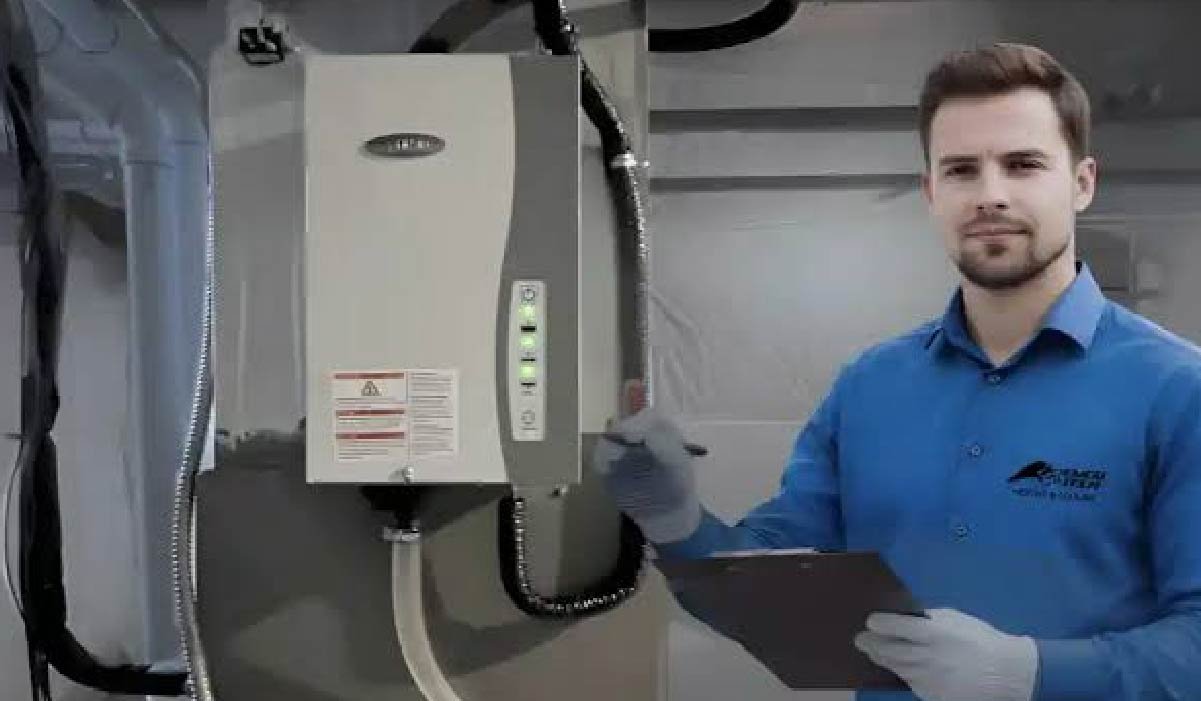
Maintaining comfortable indoor conditions requires more than simply controlling temperature. Humidity also plays an important role in how a building feels and how effectively an HVAC system manages the indoor environment. During periods of dry weather or when heating equipment operates frequently, indoor humidity can become lower than desired, creating uncomfortable conditions for occupants and potentially affecting certain building materials, furnishings, and everyday activities. Dry air may contribute to static electricity, irritated skin, discomfort around the nose and throat, and other noticeable changes in the indoor environment. A professionally installed whole-home or commercial humidifier can provide a practical way to add controlled moisture to indoor air while working alongside the existing heating and cooling system. Proper humidifier installation involves more than simply selecting a unit and connecting it to the HVAC equipment. The system must be properly sized, positioned, connected, and configured according to the property’s heating and cooling infrastructure and humidity requirements. Professional installation can help ensure that the humidifier operates effectively without interfering with airflow, controls, or other HVAC components, making it an important consideration for property owners seeking more balanced indoor comfort.
Understanding Indoor Humidity
Indoor humidity describes the amount of moisture present in the air inside a building. Maintaining an appropriate level can contribute to a more comfortable indoor environment, while excessively dry or humid conditions may create different comfort and building concerns. Humidity can change throughout the year because outdoor weather, heating operation, ventilation, building construction, occupancy, and other factors influence indoor conditions.Heating systems can make indoor air feel particularly dry because warm air often has a lower relative humidity when moisture is not added back into the environment. Property owners may notice static electricity, dry-feeling air, or changes in personal comfort during periods when heating equipment operates frequently. A whole-building humidification system can help introduce controlled moisture into the air rather than relying on portable devices placed throughout individual rooms. Professional evaluation can determine whether a humidifier is appropriate and what type of equipment may be suitable for the existing HVAC system.
Why Professional Installation Matters
A humidifier needs to be properly integrated with the HVAC system to provide consistent operation. Incorrect installation can result in poor moisture distribution, excessive humidity, water leakage, airflow restrictions, or control problems. Professional installation begins with evaluating the existing heating and cooling equipment, ductwork, available installation space, water connections, drainage requirements, electrical components, and humidity controls.The technician can determine where the humidifier should be installed so that moisture can be distributed effectively throughout the property. The system should also be connected according to manufacturer requirements and configured to work with the building’s HVAC controls. Proper installation reduces the possibility of operating problems and makes future maintenance easier. It also allows the technician to verify that the humidifier does not negatively affect the performance of the heating or cooling equipment.
Choosing the Right Humidifier
Different types of humidification equipment are available, and the appropriate choice depends on the property’s size, HVAC configuration, humidity requirements, and operating conditions. Some systems are designed to work directly with forced-air heating and cooling equipment, while others may use different methods of introducing moisture into indoor air. The amount of humidity required and the available installation space can also influence equipment selection.A professional HVAC technician can evaluate these factors before recommending a humidifier. Selecting equipment based only on the size of the property may not provide an accurate result because HVAC capacity, duct configuration, insulation, occupancy, and other characteristics also affect humidity management. Proper sizing helps ensure that the system can provide appropriate moisture without unnecessarily increasing humidity levels.
Whole-Home Humidification
Portable humidifiers can add moisture to individual rooms, but whole-home systems are designed to work with central HVAC equipment and distribute humidity throughout the property. This approach can provide more consistent humidity management when the HVAC system serves multiple areas. Instead of manually filling small water reservoirs in different rooms, a properly installed whole-home system can operate automatically according to the selected humidity setting.Whole-home humidification can be especially useful when dry indoor conditions affect multiple rooms or when property owners want a more automated approach. The humidifier can be connected to a humidity control that monitors indoor conditions and activates the system when additional moisture is needed. Professional installation ensures that the system is correctly integrated with the HVAC equipment and that moisture is distributed through the appropriate airflow path.
Humidity Controls and Thermostats
Modern HVAC systems may use advanced thermostats and humidity controls to manage indoor conditions more accurately. A humidifier can be connected to a compatible control system so that it operates according to indoor humidity rather than running continuously. This allows the equipment to add moisture only when the building requires it.Proper control settings are important because excessive humidity can create different problems from overly dry air. A professional technician can configure the humidifier and controls according to the equipment requirements and building conditions. Some systems may also allow property owners to monitor humidity levels and adjust settings as needed. Accurate control can make humidification more efficient and help maintain more consistent indoor conditions.
Benefits During Heating Season
Heating systems often operate for extended periods during colder weather, and indoor humidity may decrease as the building is heated. Dry indoor air can make a property feel less comfortable even when the thermostat is set to a suitable temperature. Adding controlled moisture can help improve the overall feel of the indoor environment.Balanced humidity may also allow occupants to perceive indoor temperatures differently, which can influence comfort settings. However, humidification should be carefully controlled rather than used excessively. A professional HVAC technician can evaluate the property’s conditions and recommend appropriate humidity management. Combining humidification with properly maintained heating equipment can create a more balanced indoor environment during periods of frequent heating operation.
Protecting Building Materials and Furnishings
Very dry indoor conditions can affect certain materials and furnishings over time. Wood products, musical instruments, furniture, flooring, and other materials may respond to changes in moisture levels. The degree of impact depends on the specific material, construction, indoor conditions, and duration of exposure.Maintaining appropriate humidity does not guarantee that materials will never experience changes, but controlled indoor conditions can be part of a broader strategy for protecting the indoor environment. Property owners with sensitive materials or specific humidity requirements should discuss those needs with an HVAC professional. The humidification system can then be selected and configured according to the building’s actual requirements rather than relying on a general humidity setting.
Airflow and Humidifier Performance
Proper airflow is essential for distributing moisture throughout a property. If the HVAC system has restricted airflow, poorly designed ductwork, or blower problems, adding a humidifier may not solve the underlying comfort issue. The humidifier depends on the HVAC system to move conditioned air through the building, so both systems need to work together.Professional installation includes consideration of the existing airflow system. A technician can inspect the blower, ductwork, filter, and other components that may influence air circulation. If airflow problems are identified, they may need to be addressed before or during humidifier installation. This approach helps ensure that the new equipment operates as part of an effective HVAC system rather than being added to a system with unresolved distribution problems.
Water Supply and Drainage
Many whole-building humidifiers require a water supply and may have drainage requirements depending on their design. Proper connection is important because water-related installation problems can result in leaks, inefficient operation, or maintenance concerns. The installation area should also provide appropriate access for inspection and servicing.A professional technician can determine the correct water connection and drainage configuration for the selected equipment. The system can then be tested to verify that water is entering and leaving the equipment as intended. Proper installation helps reduce the likelihood of leaks and makes future maintenance more manageable. Property owners should also understand the humidifier’s maintenance requirements so that water-related components can be inspected and serviced as recommended.
Humidifier Maintenance
Like other HVAC equipment, a humidifier requires regular maintenance to remain effective. Depending on the type of system, maintenance may involve replacing water panels, cleaning components, checking water connections, inspecting drainage, and verifying controls. Mineral deposits or other buildup can occur in systems that use water, particularly when maintenance is neglected.Including humidifier service as part of routine HVAC maintenance can make equipment care easier. During a scheduled visit, technicians can inspect the humidifier along with the furnace, heat pump, air conditioner, blower, filters, controls, and other components. This integrated approach can help identify developing problems before they affect the system’s performance. Regular maintenance also helps property owners keep track of replacement components and service intervals.
Avoiding Excessive Humidity
Adding moisture to indoor air can improve comfort when conditions are too dry, but excessive humidity should also be avoided. Too much moisture can make indoor spaces feel uncomfortable and may contribute to condensation on windows or other surfaces. Persistent excessive humidity can also create building conditions that require further attention.This is why humidity controls are an important part of a professionally installed system. The humidifier should respond to indoor conditions rather than continuously adding moisture regardless of the environment. A properly configured control system can help maintain a more balanced humidity level. If a property has existing moisture or ventilation problems, those issues should also be addressed rather than relying on a humidifier to manage the entire indoor environment.
Humidifier Installation for Commercial Properties
Commercial buildings can have different humidity requirements because they may contain larger spaces, multiple zones, changing occupancy levels, specialized equipment, and extended operating schedules. Offices, retail spaces, facilities, and other commercial properties may require a more carefully planned humidification system than a small residential property.Professional HVAC contractors can evaluate the building’s existing equipment, ductwork, controls, occupancy, and humidity requirements before selecting a system. Installation may require coordination with existing commercial HVAC equipment and building controls. Proper planning helps ensure that the humidifier supports indoor comfort without interfering with heating, cooling, ventilation, or other building systems.
Indoor Air Quality Considerations
Humidity is one part of overall indoor air quality and comfort. While humidification can help address excessively dry conditions, it should be considered alongside filtration, ventilation, HVAC maintenance, and other indoor environmental factors. A property with poor ventilation or significant moisture problems may require solutions beyond a humidifier.A professional HVAC assessment can help identify whether dry air is the primary concern or whether several factors are affecting indoor comfort. Filters, ductwork, air circulation, thermostats, and ventilation can all influence the indoor environment. By evaluating these components together, property owners can develop a more complete strategy rather than relying on one piece of equipment to address multiple unrelated concerns.
Professional HVAC Integration
Humidifiers work most effectively when they are properly integrated with the heating and cooling system. The HVAC equipment provides the airflow needed to distribute moisture, while the humidity control determines when additional moisture is required. If these components are not correctly matched or configured, the humidifier may not provide consistent results.Chris Mechanical provides HVAC services involving heating and cooling, humidification, indoor air quality, HVAC maintenance, repairs, installation, heat pumps, boilers, ductless systems, commercial HVAC, and related comfort solutions. Working with an HVAC provider that understands both equipment and indoor air quality can help property owners coordinate humidification with their existing heating and cooling infrastructure. Professional service can also identify related HVAC concerns that may affect humidity distribution.
Planning a Humidification Upgrade
Before installing a humidifier, property owners should consider the conditions they want to improve and how the HVAC system currently operates. Persistent dry air, frequent static electricity, discomfort during heating operation, or humidity-sensitive materials may indicate that additional humidity management should be considered. However, professional evaluation is useful because these symptoms can have multiple possible causes.A technician can inspect the HVAC system, assess airflow, discuss humidity concerns, and identify appropriate installation options. Planning ahead also allows property owners to understand equipment costs, installation requirements, maintenance needs, and replacement components. This can make the upgrade more predictable and help ensure that the selected system is suitable for the property.
Long-Term Indoor Comfort
A humidifier should be viewed as part of a long-term indoor comfort strategy rather than a standalone appliance. Regular HVAC maintenance, proper filtration, effective ventilation, accurate thermostat settings, and suitable humidity control all contribute to the overall indoor environment. When these systems work together, property owners can manage temperature and moisture more consistently throughout the year.Ongoing monitoring can also help identify changes in indoor conditions. If humidity levels remain too low despite humidifier operation, the system may require service or the building may have another underlying issue. Similarly, excessive humidity may indicate control problems, ventilation concerns, or other conditions that require professional attention. Regular service provides an opportunity to evaluate the complete system and make adjustments when necessary.
Conclusion
Professional humidifier installation can provide an effective way to manage excessively dry indoor conditions while working alongside an existing heating and cooling system. Proper equipment selection, sizing, placement, water connections, airflow, controls, and maintenance all contribute to reliable performance. A professionally installed system can add controlled moisture throughout the property rather than requiring occupants to rely on multiple portable devices. Humidifier installation can be particularly useful during periods when heating equipment operates frequently and indoor humidity becomes noticeably low.Property owners should also recognize that humidity management works best as part of a broader HVAC and indoor air quality strategy. Proper ventilation, filtration, equipment maintenance, airflow, and moisture control all influence indoor comfort. A qualified HVAC professional can evaluate these factors and determine whether a humidifier is appropriate for the property. Regular maintenance can keep the equipment operating correctly and help identify water, control, or airflow concerns before they become larger problems. For heating, cooling, HVAC installation, maintenance, repairs, heat pumps, boilers, ductless systems, commercial HVAC, and indoor air quality solutions, humidifier installation can be a valuable addition to a comprehensive approach to year-round indoor comfort and humidity management.
