


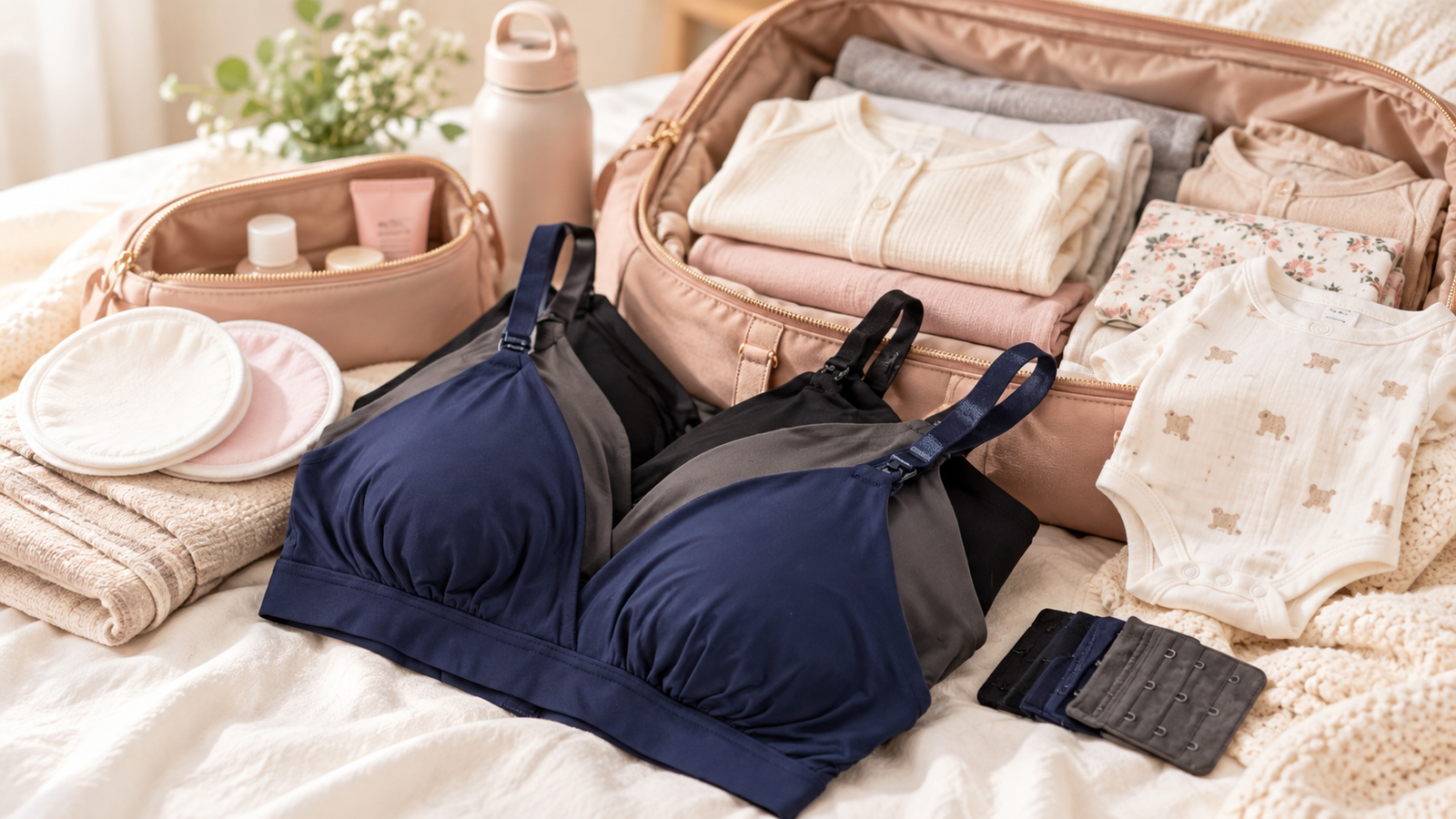
Getting your hospital bag ready is one of those things that makes your baby’s arrival feel much closer. You may have already picked out tiny clothes, blankets and nappies, but have you thought about what you will need for yourself?
After delivery, even simple things like changing clothes, taking a shower or getting comfortable for a feed can take more effort than usual. Having your essentials packed in advance means you will have fewer things to worry about when you are at the hospital.
You do not need to pack everything you own. A few comfortable clothes, the right innerwear and some basic postpartum essentials can be enough to get you started.
When Should You Pack Your Hospital Bag?
It is a good idea to start preparing your hospital bag around 35 weeks of pregnancy, or earlier if your healthcare professional recommends it. You can add the final items closer to your due date.
Keep the bag somewhere easy to reach and let your partner or family member know where it is. You may also want to keep a small list of things to add at the last minute, such as your phone charger, toiletries and daily medication.
Try to pack for yourself and your baby separately. This makes it easier to find what you need without emptying the entire bag.
Pack a Comfortable Nursing Bra
A nursing bra is one of the useful things to pack if you plan to breastfeed. Your breasts may feel fuller or more sensitive after delivery, so a bra that fits comfortably can make getting dressed easier.
Look for a soft, wire free style that does not feel tight around your chest. Nursing clips or easy access panels can help you open the bra when feeding your baby. Adjustable straps and a flexible fit are also useful as your body changes.
Pack two or three nursing bras if you can. Milk leakage, sweat and frequent changes can mean you need a fresh one during your stay.
Lovemère offers different nursing bra styles, including its Seamless Nursing Bra and other options designed for pregnancy and breastfeeding. You can explore the available styles before your due date and check the sizing guide to find a suitable fit. It is better to try your bra beforehand than to discover at the hospital that the band feels too tight.
Choose Clothes That Make Feeding Easier
You will probably spend a lot of time resting and feeding your baby, so comfort should come before dressing up. Pack loose pyjamas, a soft nightdress or a comfortable top that opens easily at the front.
Nursing friendly sleepwear can be especially helpful when you need to feed during the night. You will not have to keep pulling up or removing layers of clothing every time your baby needs you.
A nursing camisole is another option. You can wear it on its own or underneath a loose top, depending on what feels comfortable. Bring at least one or two extra outfits, as you may want to change more often than expected.
For the journey home, choose something loose that fits your body comfortably. Your pregnancy clothes may still be useful, so there is no need to buy a completely new outfit just for leaving the hospital.
Do Not Forget Postpartum Essentials
Your needs after delivery will depend on your recovery and the advice given by your healthcare team. Some items are worth keeping ready before you leave home.
Pack maternity pads for postpartum bleeding, comfortable underwear, toiletries, a towel if required and any personal medication you have been advised to take. Check with your hospital beforehand because some supplies may already be provided.
You may also want to carry lip balm, a water bottle, a long phone charging cable and a few easy snacks, if permitted. These are small things, but they can be useful during a hospital stay.
If you are considering a postpartum support garment, Lovemère has a Postpartum Tummy Wrap Binder designed for the period after childbirth. Ask your healthcare professional when it is appropriate for you to use one, particularly if you have had a caesarean birth. Your comfort and recovery should guide that decision.
Prepare a Small Bag for Your Baby
Newborns do not need a large number of things during the hospital stay. A few practical essentials are usually enough, although you should follow your hospital’s own checklist.
Pack several newborn outfits, nappies, wipes or cotton wool, a blanket and a going home outfit. Front opening clothes can make changing your baby easier when you are still getting used to handling them.
Keep the baby’s clothes together so that whoever is helping you can find them quickly. If the hospital provides nappies or other supplies, you may not need to bring as many from home.
It is also worth checking what you will need for the journey home. If you are travelling by car, make sure the appropriate baby car seat is ready and fitted correctly before the day.
Keep Your Breastfeeding Essentials Simple
You do not need to pack every breastfeeding product before your baby arrives. Start with the basics and add other items depending on your needs.
Breast pads can be useful if you experience milk leakage. A nursing cover may be helpful if you prefer extra privacy while feeding, and a breast pump may be worth bringing if your healthcare team has advised you to use one or you expect to need it.
If you plan to express milk, check with your hospital about its facilities and storage arrangements. You can always ask a midwife or lactation professional for help if you have questions about feeding.
Remember that feeding can take time to figure out. You do not have to arrive at the hospital with every part of your routine planned.
Make Your Hospital Bag Work for You
Before packing everything away, check your hospital’s list of recommended items. Some hospitals provide certain supplies, while others expect you to bring your own.
Keep important documents together, make sure your phone is charged and leave a little room in your bag for items you may need to add later. If possible, ask someone at home to help with the final check.
Lovemère also has a hospital bag checklist that can help you organise essentials for yourself and your baby, including nursing bras, nursing friendly clothes and postpartum items.
Most importantly, remember to pack for yourself, not only for your newborn. You will be adjusting to a new routine, recovering from delivery and learning what works for you and your baby. Having comfortable clothes and your basic essentials ready will not make every moment predictable, but it can make those first few days feel a little more manageable.
