


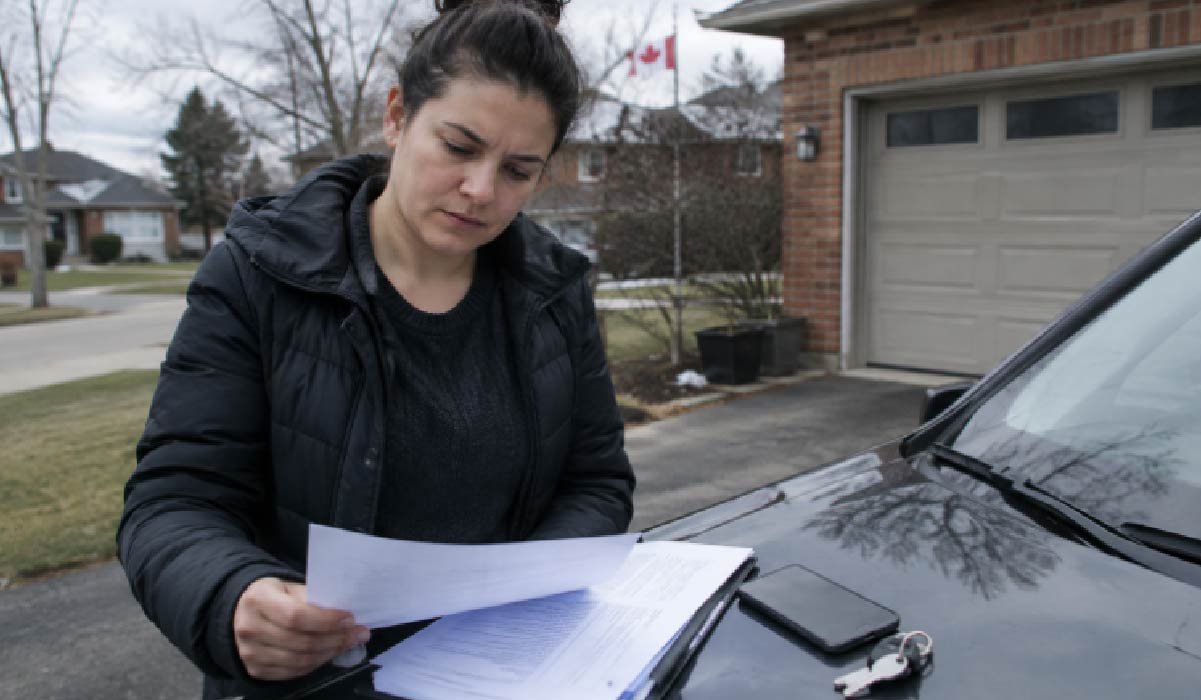
From daily commutes across Brantford to weekend drives along Highway 403, the right auto policy should reflect how, where, and how often a vehicle is used. Reviewing car insurance services in Brantford can be a useful starting point for drivers who want to understand their options before accepting a renewal or requesting a quote.
Ontario’s auto insurance rules changed on July 1, 2026, making a careful policy review more important than ever. A lower premium may be welcome, but it can also mean certain protections have been removed or reduced. The goal is to compare the entire policy, including limits, deductibles, accident benefits, and vehicle damage coverage, rather than focusing only on the monthly payment.
Why Review Car Insurance In 2026?
Insurance details can become outdated quickly. A move within Brantford, a longer commute, a financed vehicle, an added household driver, or a change from occasional to regular vehicle use can all affect the information on file. For example, a family that adds a teenage driver or replaces an older sedan with a newer SUV should check that every regular driver, vehicle detail, and use category is accurately listed.
It is also wise to read renewal packages line by line. Compare the proposed coverage with the expiring policy, especially regarding accident benefits, deductibles, endorsements, and rental transportation coverage. An informed comparison starts with knowing what each section of the policy is designed to do.
The Main Parts Of An Ontario Auto Policy
Third-Party Liability Coverage
Liability coverage may respond if the insured driver is legally responsible for another person’s injury, death, or property damage. Ontario requires at least $200,000 in third-party liability coverage, although higher limits are available. Drivers should consider their financial circumstances, travel patterns, and comfort with risk when choosing a limit.
Accident Benefits Coverage
Accident benefits can provide support to eligible people injured in an automobile accident, regardless of who caused it. Depending on the benefits selected, coverage may address medical and rehabilitation expenses, attendant care, income replacement, caregiver needs, funeral expenses, and other costs. The standard auto insurance policy details explain the coverage included in Ontario policies and the choices drivers may have.
Uninsured Automobile And DCPD Coverage
Uninsured automobile coverage may help when an insured person is injured by an uninsured or unidentified driver. Direct Compensation-Property Damage, often called DCPD, can cover eligible vehicle damage, contents, and loss of use after certain not-at-fault collisions in Ontario. DCPD generally requires that the collision occur in Ontario and involve another vehicle insured under a qualifying policy. Drivers may elect not to claim DCPD, but should understand the consequences before doing so.
Collision And Comprehensive Coverage
Collision coverage generally applies to damage caused by impact with another vehicle or object, while comprehensive coverage may address non-collision losses such as theft, fire, vandalism, hail, or falling objects. A vehicle’s value, repair costs, loan or lease requirements, and the household’s ability to replace it can help determine whether these coverages remain worthwhile.
What Changed On July 1, 2026?
For policies entered into or renewed under the updated Ontario framework, medical, rehabilitation, and attendant care benefits remain mandatory. Other accident benefits, including income replacement, non-earner, caregiver, housekeeping and home maintenance, death, funeral, and related protections, are optional. This gives drivers more choice, but it also requires closer attention to what is accepted, declined, or changed.
For many renewing policyholders, previously available benefits remain optional at their former amounts unless the policyholder agrees in writing to decline or change them. That makes the renewal conversation an important opportunity to ask which protections are continuing and what choices are available.
A Car Insurance Coverage Checklist
- Confirm vehicle details: Verify the year, make, model, ownership status, annual mileage, and primary use.
- List regular drivers: include household members and anyone who frequently uses the vehicle.
- Review liability limits: Check whether the limit fits the household’s financial situation.
- Examine accident benefits: Identify mandatory benefits, optional benefits, and any selected limits.
- Compare deductibles: Make sure the amount would be manageable after a covered claim.
- Assess physical damage coverage: Reconsider collision and comprehensive coverage as a vehicle ages or changes in value.
- Ask about transportation: Confirm whether rental, transit, or other loss-of-use expenses are covered during repairs.
- Check exclusions and discounts: Review business use, ridesharing, excluded drivers, winter tires, bundling, and usage-based programs.
What Can Affect Your Premium?
Premiums are influenced by several factors, including driving history, experience, where the vehicle is kept, vehicle characteristics, annual mileage, chosen limits, deductibles, and selected endorsements. Generally, more driving increases exposure to risk, while higher deductibles can reduce the premium but increase the amount paid after a covered loss. Ontario drivers can review the factors that determine auto insurance rates to better understand what insurers consider.
Practical Ways To Reduce Costs
- Keep driving records clean by avoiding distracted driving, speeding, and other preventable violations.
- Ensure annual mileage and vehicle-use details still match real driving habits.
- Ask whether winter tires, multiple vehicles, or bundled policies qualify for discounts.
- Consider a higher deductible only if it would be affordable after a claim.
- Compare quotes using the same liability limits, deductibles, and optional benefits.
- Do not remove useful protection based on price alone, particularly when a serious injury or major vehicle loss would create financial hardship.
Questions To Ask Before Renewal
- Which accident benefits are included, and which are optional?
- What changes, if any, were made to the policy since the last term?
- What liability limit and deductibles are listed?
- Are all regular drivers and vehicle-use details correct?
- Does the policy cover commuting, occasional business use, or longer trips?
- What discounts, exclusions, or endorsements apply?
Common Questions From Brantford Drivers
Is Car Insurance Required In Brantford?
Yes. Valid auto insurance is required to drive legally in Ontario. Required coverage provides a baseline, while optional coverage can offer broader financial protection.
Is The Cheapest Policy Always The Best Choice?
Not necessarily. The lowest price may involve lower liability limits, higher deductibles, fewer optional accident benefits, or less vehicle damage protection. Compare the complete package before deciding.
Should An Older Vehicle Have Collision Coverage?
The answer depends on its current value, repair costs, deductible, financing requirements, and the driver’s ability to replace the vehicle after a major loss.
What Should A Driver Do After A Collision?
Move to safety when possible; call emergency services if someone is injured or there is immediate danger; exchange information; document the scene when safe; and contact the insurer or claims center. Avoid admitting fault before the circumstances are reviewed.
Conclusion
For Brantford drivers, an auto insurance review is about more than finding a lower premium. It is an opportunity to confirm that the vehicle, drivers, benefits, limits, deductibles, and discounts still fit the household’s needs. A few focused questions before renewal can help prevent an expensive surprise later.
