


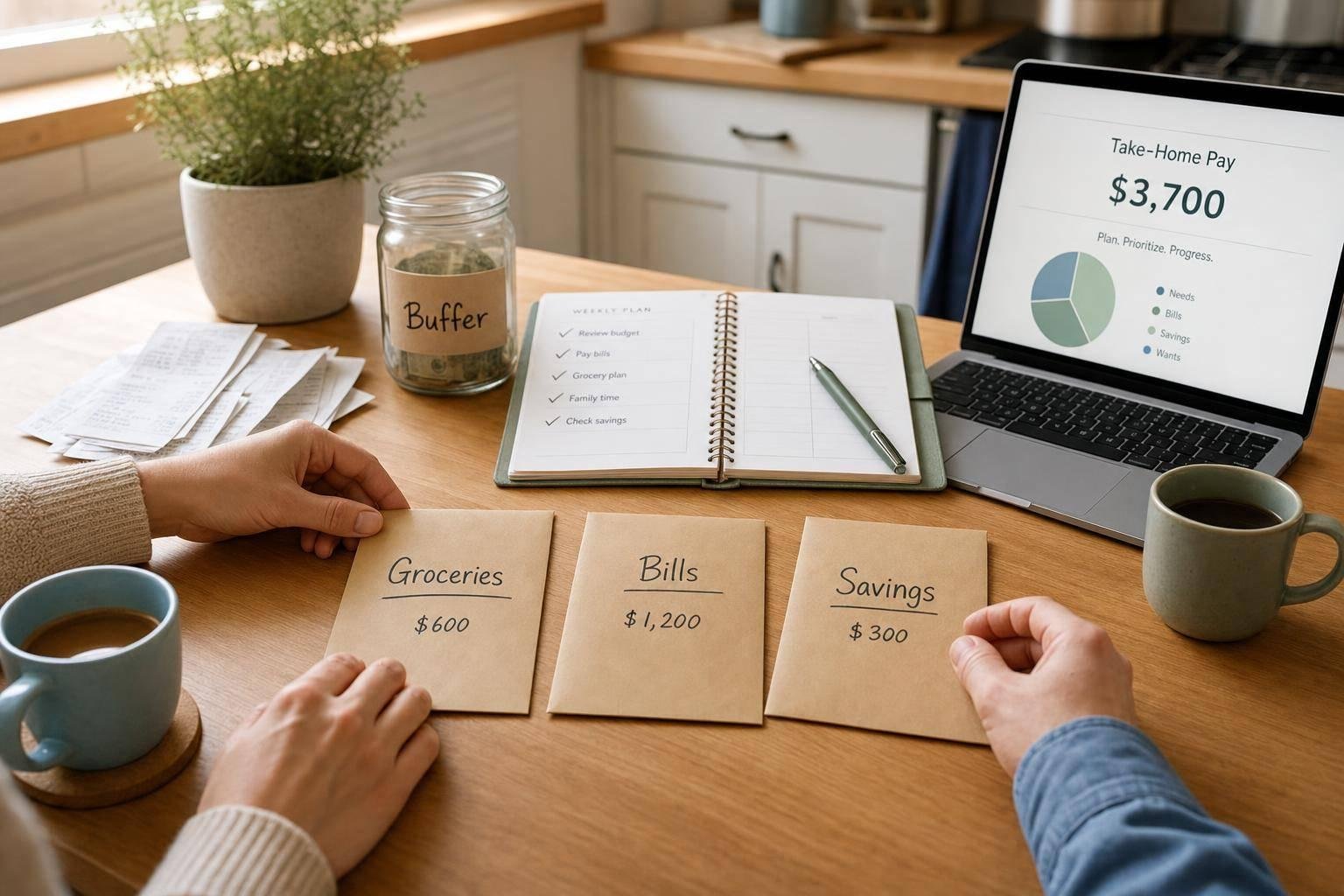
A moving budget can look reassuring until the smaller costs start arriving. There are boxes to buy, an extra trip to make, a payment needed before the keys are collected and a meal to organise when the kitchen is packed. None has to be a major expense to become awkward when several fall in the same week.
The useful starting point is a list of what must be paid, when it is due and which figures are still estimates. This guide focuses on the practical costs around moving day for UK households. Keep any property purchase or tenancy transaction costs in a separate, clearly identified part of your overall plan so they are not overlooked.
Put payment dates beside every cost
List the work needed to get your belongings from one home to the other. Depending on the move, that may include a removal service, van hire, fuel, packing materials, cleaning or temporary storage. Add the expenses that are easy to overlook, such as parking arrangements and any help needed to move heavy furniture safely.
Put a date beside each payment. A deposit paid now and a balance due before unloading have a different effect on the bank account from a bill that arrives later. Do not assume money expected back from the old home will be available in time to pay for the new one; confirm the process and allow for uncertainty.
Mark each amount as confirmed, estimated or still to obtain. A total built from several guesses is a useful first draft, but it should not be treated as a fixed price. Update the list when a provider confirms the details.
Compare removal quotes for the same job
Give each provider the same information about the move. Include the approximate volume of belongings, collection and delivery addresses, stairs, lifts, access restrictions and any furniture that needs dismantling. Ask what is included in writing rather than comparing only the headline figure.
Check whether packing, materials, travel, waiting time, VAT and reassembly are covered. Ask about the cover provided for belongings and what you would need to do if an item were damaged. A service that looks cheaper initially may not suit the move if important work has been left out.
Thinkly’s guide to preparing for a smoother relocation provides a useful companion to the budget. Work through the practical arrangements alongside the prices, especially if access or the amount of furniture could change the quotation.
Check the cost of a change in date
A proposed moving date can still change. Before booking a service, read its cancellation and rescheduling terms and ask how much notice is required. Check what happens to the deposit and whether a new date would be subject to availability or a different price.
If you are arranging a vehicle yourself, check the hire period, mileage allowance, fuel policy and any charges connected with returning it late. Decide who will drive and whether the vehicle is suitable for the load and the access at both properties. A second journey can change both the time needed and the final cost.
Keep confirmations in one place and give the relevant providers a contact number for the day. If plans change, let them know promptly and ask for the revised arrangements in writing. It is easier to adjust a budget using a confirmed change than an assumption about what the provider will allow.
Pack around what you need for the first evening
Set aside a small bag or clearly marked box containing everyday essentials you will need before everything is unpacked. Think about medication, chargers, basic toiletries, suitable food and the items needed to prepare it. Keep important documents and valuables accessible and secure.
Use existing bags and suitable boxes where practical, but check that they can safely hold the contents. Label fragile items and avoid making boxes so heavy that lifting them becomes unsafe. Clear labels can also help prevent paying for extra time while people search for the right room or item.
Decide what can be donated, sold or responsibly disposed of before requesting the final moving quote. Do not count hoped-for sales as money available for essential payments until you have actually received it. Allow enough time for disposal so unwanted furniture does not become a last-minute problem.
Allow for services and address changes
Prepare a list of organisations that need the new address, including banks, insurers and the services you use regularly. Confirm arrangements for utilities and broadband, including any overlapping payments, setup costs or contract terms that apply to your particular move. Record meter readings and retain the information needed to query a final bill.
If you want mail forwarded, check Royal Mail’s redirection service for current prices, options and eligibility. Redirection can help while you update senders, but it should not replace notifying the organisations that hold your details.
Drivers should also follow the official steps for telling DVLA about a change of address. The guidance covers separate records, including the driving licence and vehicle log book. Working through a checklist is more reliable than assuming that changing one record updates every other organisation.
Budget for the new home as well as the move
A move can change regular spending even when the rent or mortgage payment is familiar. Travel, energy use, insurance and broadband may all need reviewing. Keep estimates separate from confirmed costs and check them again after the first bills arrive.
You can find practical ideas for reviewing household bills here. Choose the suggestions that apply to your circumstances and compare the full terms of any proposed change. An attractive introductory price is only part of the cost if it comes with a long commitment or fees.
Delay optional purchases until you know what the new home actually needs. Measure spaces before ordering furniture and check what you already own. Spending gradually can help prevent decorative items from absorbing money needed for essential bills during the first few weeks.
Assess an unexpected bill before taking on credit
If an unavoidable cost appears, confirm what it covers and whether the amount is correct. Check whether the original quote, an existing agreement or relevant cover already deals with it. Ask the provider what options are available without assuming that extra time or instalments will be offered.
Someone comparing same day loans for an essential UK household expense should assess the full cost before applying. Compare the total amount repayable, interest, fees and term, then test each repayment against ordinary household bills and existing commitments. These loans can be expensive; consider lower-cost options and any available support first.
The speed advertised does not establish that borrowing is affordable, and approval or payment timing is not guaranteed. If repayment would depend on uncertain income or more borrowing, seek free debt advice before adding another commitment. Optional furniture or improvements can usually wait while you review the figures.
Close the budget after the boxes are unpacked
Compare the final payments with your plan and follow up any deposit, refund or disputed charge that remains outstanding. Keep invoices, photographs and written confirmations until each issue is resolved. Check the next round of regular payments so an old service does not continue unnoticed.
A realistic moving budget does not require predicting every detail perfectly. It needs clear payment dates, comparable quotes and a distinction between essentials and things that can wait. Those details make it easier to get through moving day with money still reserved for the weeks that follow.
