


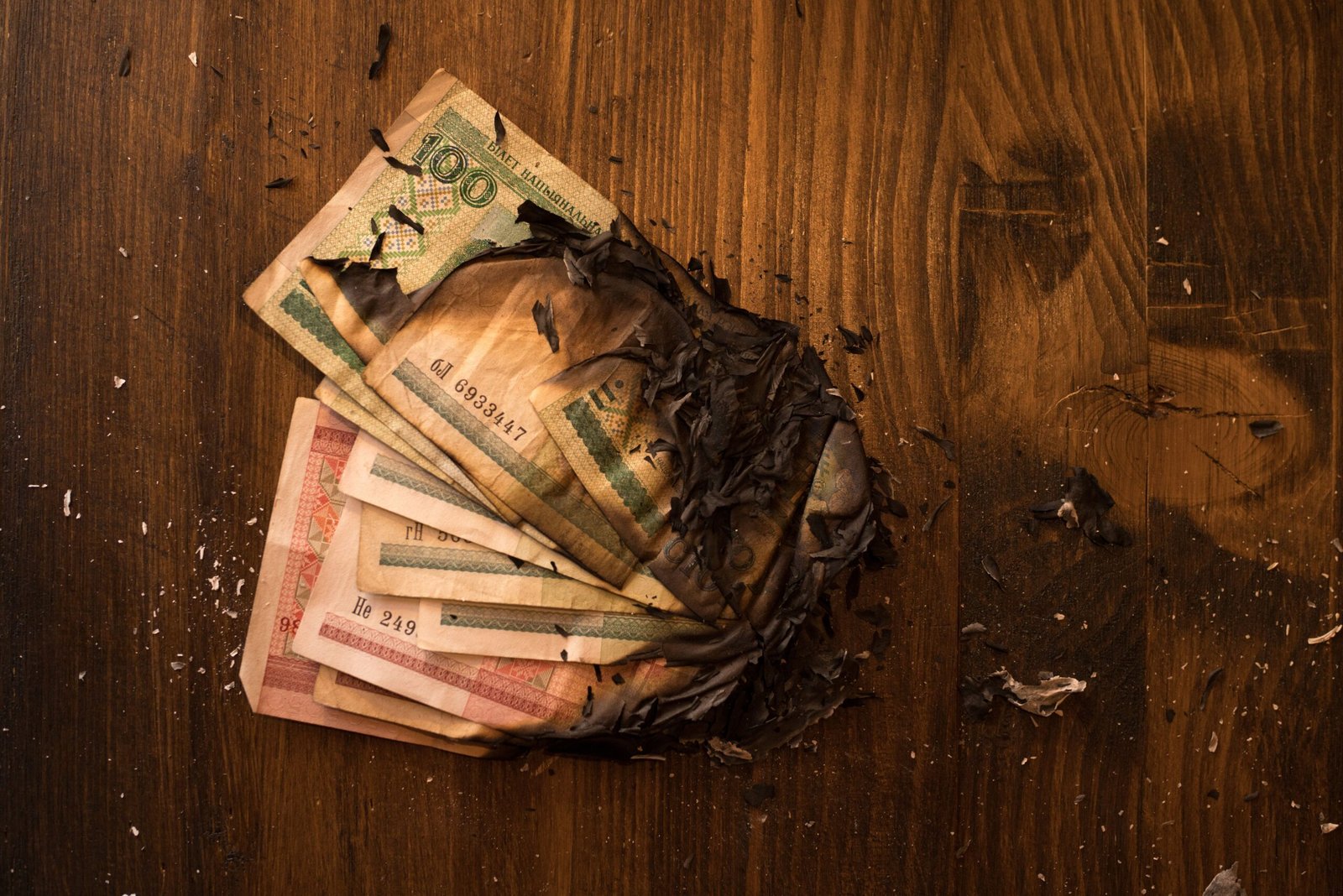
Big funding buys time. It does not buy success.
The same tension shows up at every scale. RecentFollow, a growing third-party Instagram tracker, offers a decent free check that pulls people in. But its paid plan is reported to cost more than $400 a year, and lookalike sites with similar names appear to be run by different owners. That mix makes paying hard to justify. Growth without trust rarely lasts, whether a brand has $40 or $40 billion behind it.
The 12 billion-dollar flops below prove that point at the largest scale. Each one was valued or bought at $1 billion or more. Each one burned out within a few years. Below, you will see what each promised, how fast it fell, what was left, and four warning signs these billion-dollar flops shared.
Key Takeaways
- A huge valuation is a forecast, not proof of a working business.
- Many failed unicorns grew by spending, not by earning.
- User and revenue numbers that cannot be checked are a red flag.
- Debt-fueled expansion turns a slowdown into a collapse.
- Pricing and trust decide which fast-growing brands last.
12 Billion-Dollar Flops, From First Fall to Most Recent
Each of these billion-dollar flops follows the same pattern: peak value, what went wrong, and what was left.
1. Jawbone: The $3 Billion Wearable (Liquidated 2017)
Jawbone started with Bluetooth headsets and speakers, then bet big on fitness trackers. Backed by Sequoia, Kleiner Perkins and Andreessen Horowitz, it reached a $3 billion valuation. But its UP bands faced quality complaints, and Fitbit and Apple moved faster with better products.
In July 2017, Jawbone began liquidating its assets, and equity investors were expected to be wiped out. Its CEO moved on to a new health venture. The lesson was simple. Hardware punishes slow fixes far more than software does.
2. Jet.com: The $3.3 Billion Amazon Rival (Closed 2020)
Jet.com promised lower prices than Amazon through smart pricing and bulk discounts. Walmart bought it for $3.3 billion in 2016. Less than four years later, in May 2020, Walmart announced it would shut the Jet brand down.
Here is the twist. Many analysts still call the deal a success. Jet’s founder, Marc Lore, took over Walmart’s whole e-commerce business, and Walmart’s online sales surged in the years that followed. The brand failed, but the team behind it won.
3. FTX: The $32 Billion Crypto Exchange (Bankrupt 2022)
FTX was valued at $32 billion in early 2022, with stadium naming rights and celebrity ads. In November 2022, reports about its links to the trading firm Alameda Research set off a run on customer funds. FTX filed for bankruptcy on November 11, 2022, with an $8.7 billion shortfall in customer funds reported at the time.
Founder Sam Bankman-Fried was convicted of fraud in 2023 and sentenced to 25 years in prison. It is one of the fastest tech company collapses on record, falling from top tier to bankruptcy in days.
4. Zume: The $2.25 Billion Pizza Robot (Shut 2023)
Zume planned to bake pizzas inside delivery trucks, using robots to prepare them on the way to your door. SoftBank invested $375 million in 2018, which pushed its valuation to $2.25 billion.
The idea proved hard to scale, and the company pivoted to compostable food packaging. It laid off more than 500 people in 2020, including its robotics and truck teams. Zume shut down in June 2023. A clever demo had not added up to a business.
5. IRL: The $1.17 Billion Social App (Shut Down 2023)
IRL was a social events app that claimed 20 million monthly users. That claim helped it raise more than $200 million and reach a $1.17 billion valuation after a SoftBank-led round.
In June 2023, a board investigation found that about 95% of its reported users were automated or bots. The app shut down, and its founder later faced fraud charges. Among failed unicorns, IRL is a stark reminder. User numbers that no one checks are just a story.
6. Hopin: The $7.75 Billion Virtual Events Platform (Sold Off 2023)
Hopin launched in 2020, just as the pandemic moved events online. By August 2021, it had raised over $1 billion and reached a valuation of about $7.75 billion. When in-person events returned, demand fell fast.
In 2023, Hopin sold its main events business to RingCentral for $15 million upfront, with up to $35 million more tied to performance. Its remaining streaming tools were later bought by Bending Spoons. A temporary surge in demand had been priced like a permanent one.
7. Babylon Health: The $3.5 Billion AI Doctor (Liquidated 2023)
Babylon promised AI-powered health checks and remote GP visits. It went public through a SPAC merger in 2021 at a $3.5 billion valuation. Losses grew, and a major US health insurer decided not to renew contracts that made up nearly half of its 2022 revenue. In August 2023, a planned take-private deal collapsed, and Babylon filed for Chapter 7 liquidation. Its UK business, which had served more than 700,000 patients, was sold to eMed.
8. Convoy: The $3.8 Billion Digital Freight Broker (Closed 2023)
Convoy built an app to match truckers with shipments, cutting out paperwork and empty miles. Its backers included Jeff Bezos and Bill Gates, and a 2022 round valued it at $3.8 billion. Then a deep freight recession hit, and capital markets tightened. A four-month search for a buyer failed. On October 19, 2023, the CEO told staff it was their last day. Convoy had grown to about 1,500 people before cuts left it near 500.
9. Olive AI: The $4 Billion Hospital Automation Startup (Closed 2023)
Olive AI promised to automate hospital back-office work, such as insurance claims and billing. It reached a $4 billion valuation and employed about 1,400 people at its peak. Hospitals found the results harder to measure than the sales pitch suggested. Olive tried to raise new money and failed.
By late 2023, it had sold its remaining business lines to Waystar and Humata Health, with just 115 staff left, and closed.
10. Bird: The $2.5 Billion Scooter Company (Bankrupt 2023)
Bird helped spark the electric scooter boom. A 2019 funding round brought in over $275 million and valued it at $2.5 billion. It went public through a SPAC in 2021. But scooters wore out fast, cities added strict rules, and each ride earned little after repairs and charging.
Bird filed for Chapter 11 bankruptcy in December 2023. Rapid expansion had covered up weak unit economics, the profit or loss on every single ride.
11. Byju’s: The $22 Billion Edtech Giant (Insolvency 2024)
Byju’s became India’s most valuable startup, reaching a $22 billion valuation in March 2022. It spent at least $2.8 billion on about a dozen acquisitions, including test-prep firm Aakash.
When pandemic demand for online learning faded, losses grew, and it fell into a dispute with US lenders over a $1.2 billion loan. Lenders began bankruptcy proceedings in January 2024. Its founder later said the company was “worth zero.” Few startup valuations have fallen this far, this fast.
12. Builder.ai: The AI App Builder (Insolvency 2025)
Builder.ai said its AI could build custom apps for businesses, and it raised more than $450 million from backers including Microsoft. Reported peak valuations differ. Some sources say about $1.5 billion, while others say close to $1 billion.
In 2025, the company sharply revised its past revenue figures, creditors seized its cash, and it entered insolvency in May 2025. Reports also alleged that much of the “AI” work was done by human developers. Those claims are disputed, but the revenue revision alone ended investor trust.
The chart below compares the peak value of all 12 brands. The scale is logarithmic, so each step on the axis is ten times larger than the last.
Horizontal bar chart of peak valuations for 12 billion-dollar flops on a logarithmic scale, from Builder.ai at about $1.5 billion to FTX at $32 billion, labelled with each collapse year
Notice that size gave these billion-dollar flops no protection. The largest valuation, FTX, fell the fastest.
The Four Patterns Behind Billion-Dollar Flops
These startup failures look different on the surface. Underneath, most fall into four patterns.
1. Growth Bought, Not Earned
Bird and Hopin grew because money and a special moment pushed them, not because each customer was profitable. When the moment passed, the losses were still there. Watch for brands where every new customer seems to cost more than they bring in.
2. Numbers That Did Not Hold Up
IRL’s users, Builder.ai’s revenue and FTX’s customer funds all turned out to be different from what investors were told. When key numbers cannot be checked independently, treat them as claims, not facts.
3. Costly Bets Before Demand
Zume built robot kitchens, Convoy built a freight network, and Olive built a large sales team before demand was proven at scale. Each bet locked in high costs that did not shrink when demand did.
4. Debt-Fueled Expansion
Byju’s used large loans and big acquisitions to grow. Debt turns a slowdown into a crisis, because the payments stay the same when revenue falls.
Smaller Brands Burn Out Too
You do not need a billion dollars to burn out. Rabbit Video Chat, better known as Rabb.it, launched publicly in 2014 as a popular browser-based co-watching and video chat platform. Friends loved watching shows together on it. But a loyal audience is not the same as a business model. Rabb.it shut down on July 31, 2019, after running out of funding. The same question applies at every size: does each user bring in more than they cost?
Frequently Asked Questions
What is the biggest startup failure in history?
By peak valuation, FTX is one of the largest billion-dollar flops, at $32 billion before its 2022 collapse. Byju’s, which was valued at $22 billion, is another of the biggest falls.
Why do well-funded startups still fail?
Money can hide weak unit economics, unchecked numbers or bad bets for a while. When funding slows, those problems surface quickly.
What warning signs come before a startup collapse?
Common signs include growth that depends on discounts or subsidies, user or revenue numbers no one has verified, heavy debt, and sudden layoffs or leadership changes.
Conclusion
These billion-dollar flops show that money hides problems until it runs out. Big valuations, famous backers and fast growth did not save any of them. What decided their fate was whether the business earned more than it spent, and whether its numbers were true.
Use that test whenever you trust a fast-growing brand, as a customer, an investor or a partner. Check that its growth, numbers and pricing hold up before you commit.
