


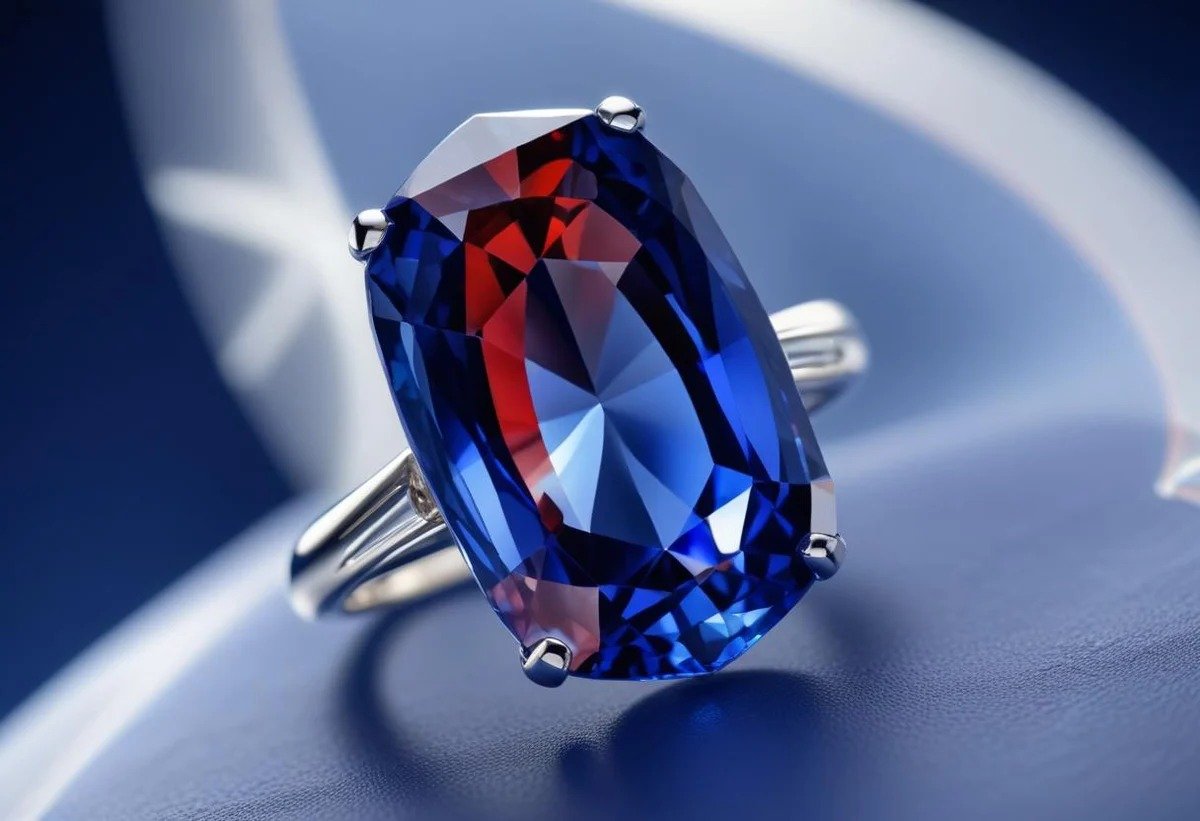
Vedic astrology connects gemstones with planetary symbolism, traditional beliefs and individual birth charts. Among these stones, Neelam Ratna has a place because of its association with Saturn, known as Shani in Hindu astrology. Traditionally, astrologers consider Saturn’s position, strength and relationship with other planets before recommending a gemstone.
Understanding this connection involves more than colour or appearance. It requires exploring astrological principles, cultural and religious practices, gemstone quality and personal suitability. Learning about these traditions helps buyers make informed decisions while respecting the spiritual significance attached to gemstones in Indian culture.
Understanding Saturn’s Role in Vedic Astrology
In Vedic astrology, Saturn represents discipline, responsibility, patience, perseverance and the consequences of actions. It is traditionally associated with long-term commitments, structured effort, maturity and lessons learned through experience. Astrologers examine Saturn’s placement in a birth chart to interpret how these themes may influence different areas of life.
Traditional astrology associates a well-placed Saturn with discipline, endurance, practical thinking and the ability to manage responsibilities. A challenging placement may be interpreted as indicating delays, obstacles or demanding circumstances. These interpretations belong to an astrological tradition and should not be treated as scientifically established predictions.
Why Blue Sapphire Is Linked With Saturn
Blue sapphire is traditionally regarded as Saturn’s representative gemstone in Vedic astrology. Its deep blue colour and planetary association give it importance within traditional gemstone recommendations.
Blue sapphire is also one of the nine gemstones associated with the Navaratna tradition. Each gemstone represents a celestial body. Ruby is associated with the Sun, pearl with the Moon, red coral with Mars, emerald with Mercury, yellow sapphire with Jupiter, diamond with Venus, blue sapphire with Saturn, hessonite with Rahu and cat’s eye with Ketu.
This classification explains why blue sapphire attracts attention among people exploring astrological gemstones. Nevertheless, its symbolic importance should be distinguished from measurable scientific effects, which have not been established.
How Astrologers Assess Gemstone Suitability
A traditional recommendation begins with examining a birth chart. Astrologers generally consider the date, time and place of birth when preparing a horoscope.
They may examine Saturn’s relationship with the ascendant, the houses it rules, its placement, aspects from other planets and its relationship with the broader planetary configuration. Some practitioners also consider planetary periods, commonly known as dashas, when discussing the timing of astrological remedies.
Different astrologers may reach different conclusions because traditional schools vary in their methods and interpretations.
No gemstone should replace medical care, financial planning, professional advice or practical decision-making. Astrological guidance is best approached as a cultural or personal belief system rather than a guaranteed solution to life’s difficulties.
Traditional Beliefs About Blue Sapphire
Within Vedic astrological practice, blue sapphire is associated with discipline, responsibility, stability and sustained effort. Some practitioners believe it is relevant when Saturn is considered beneficial in a person’s horoscope. Others recommend caution when assessing whether a Saturn-associated gemstone is appropriate.
Buyers should be wary of pressure-based selling, especially when a seller promises guaranteed outcomes or encourages expensive purchases through fear. Clear information about physical characteristics, documentation, price and return policies is more useful than dramatic claims about supernatural effects.
Choosing a Quality Blue Sapphire
Astrological considerations and gemological quality are separate parts of the buying process. Even when someone follows traditional gemstone recommendations, understanding the physical stone remains essential.
- Colour and Appearance:Blue sapphires range from light to deep blue, and buyers should examine colour under suitable lighting.
- Clarity:Natural sapphires can contain inclusions. Their visibility and effect on durability influence evaluation.
- Cut and Proportions:Cut influences brilliance, balance and colour.
- Treatments:Some sapphires undergo heat treatment or other processes. Buyers should ask for clear disclosure of known treatments because these can influence value.
- Origin and Documentation:Geographic origin should not be assumed from appearance alone. Where relevant, an independent gemological report can provide information about identity, detectable treatments and other characteristics within the laboratory’s stated scope.
- Price and Transparency:Compare stones of similar quality rather than judging value by colour or carat weight alone. Request an itemised price and understand the seller’s exchange and return conditions before purchasing.
Where to Seek Guidance in Bangalore
People exploring traditional gemstone recommendations may prefer a seller that offers product information alongside personalised consultation. Searching for the best Blue Sapphire shop Bangalore can be a starting point, but buyers should compare more than location or promotional claims.
Look for transparent information about natural origin, treatments, certification, available sizes and pricing. Ask whether documentation relates to the specific stone being purchased and whether an independent laboratory can verify its characteristics. Read a certificate carefully because different laboratories and report types provide different levels of information.
Customers who follow Vedic astrology can ask whether consultation includes reviewing birth details and explaining the traditional reasoning behind a recommendation. This separates personalised guidance from a simple product sale.
Caring for Blue Sapphire Jewellery
Blue sapphire is a variety of corundum, a mineral known for its hardness and suitability for jewellery. Nevertheless, appropriate care helps preserve the gemstone and its setting.
Clean jewellery gently using lukewarm water, mild soap and a soft brush, provided the setting and accompanying materials can safely tolerate this method. Avoid harsh chemicals and sudden temperature changes. If the stone has undergone treatment or contains significant fractures, ask a qualified jeweller about suitable cleaning methods first.
Store sapphire jewellery separately from softer gemstones to reduce the risk of scratches. Have the setting inspected periodically, especially if the piece is worn regularly. Remove jewellery before activities that could expose it to impacts, chemicals or unnecessary abrasion.
Conclusion
The traditional association between Saturn and Neelam Ratna reflects the connection between gemstones, planetary symbolism and Vedic astrology. Its suitability is traditionally assessed through an individual’s birth chart. Buyers should also consider colour, clarity, treatments, certification and price before purchasing. By combining informed gemstone selection with thoughtful consultation, individuals can respect cultural traditions while making practical decisions based on their preferences and budget.
For customers seeking authentic gemstones and traditional spiritual guidance, RudraTree is a fourth-generation family business established in 1923, offering natural and certified gemstones, Rudraksha beads, healing crystals and personalised astrological guidance. Its services include gemstone recommendations based on birth-chart details, authenticity-focused evaluation, customised jewellery, traditional energising processes, astrology consultations, pooja ceremonies and homam services. Customers can explore Blue Sapphire options with expert guidance to understand gemstone characteristics and traditional astrological considerations before making a more informed and confident purchase.
