


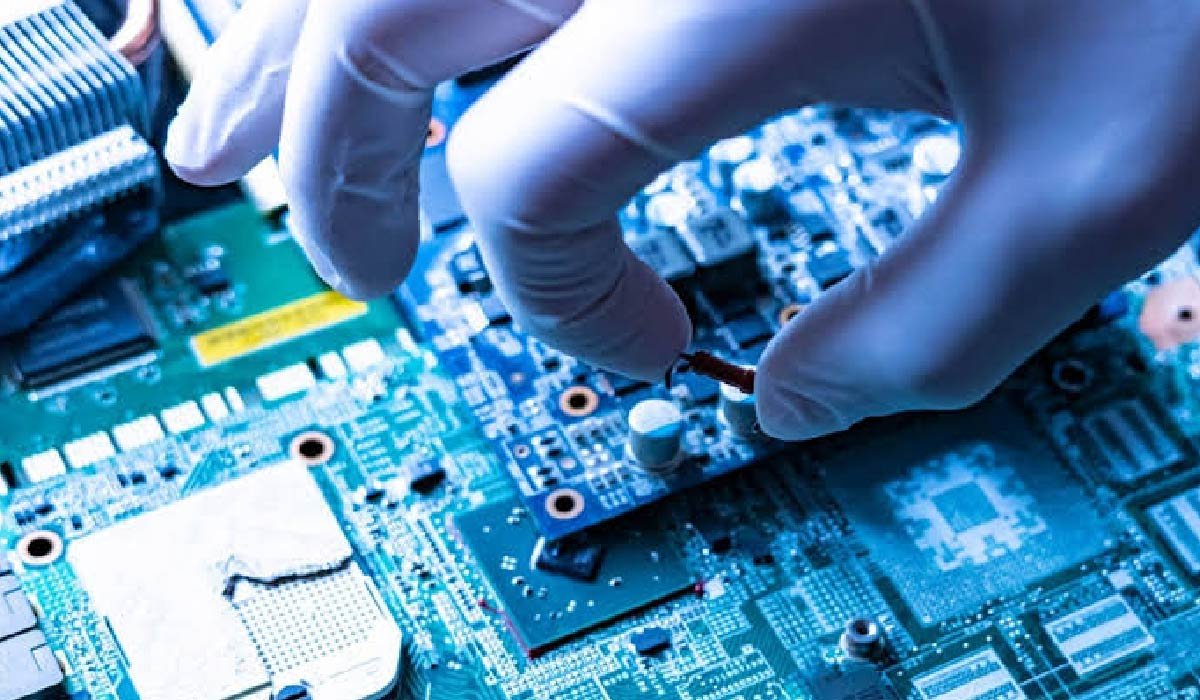
In today’s fast-paced electronics industry, manufacturers need reliable solutions that simplify production, reduce costs, and accelerate product development. From consumer electronics to industrial equipment, every electronic product requires carefully designed and assembled printed circuit boards (PCBs). Managing component sourcing, PCB fabrication, assembly, and quality testing separately can create unnecessary complexity. This is where full turnkey PCB assembly offers a practical and efficient solution.
Fast Turn PCB provides PCB manufacturing and assembly solutions designed to support businesses throughout the electronics production process. By bringing multiple manufacturing stages together, companies can streamline operations, improve consistency, and move from design to finished products more efficiently.
What Is Full Turnkey PCB Assembly?
Full turnkey PCB assembly is a manufacturing service in which a single provider manages most or all of the processes required to produce a completed printed circuit board assembly. Instead of coordinating multiple suppliers, customers work with one manufacturing partner responsible for handling the major production requirements.
Depending on the project, these services may include PCB fabrication, electronic component sourcing, component verification, surface-mount technology (SMT) assembly, through-hole assembly, soldering, inspection, and functional testing.
This integrated approach helps businesses reduce the time spent managing different vendors. It also makes communication easier because design specifications, material requirements, and production expectations can be coordinated through one point of contact.
For startups, product developers, and established electronics manufacturers, turnkey assembly can provide a more organized path from prototype development to larger production runs.
Key Benefits of Full Turnkey PCB Assembly
Choosing a complete assembly solution can offer several advantages for businesses developing electronic products.
1. Simplified Manufacturing Management
Managing separate PCB fabricators, component distributors, and assembly providers requires time and careful coordination. Delays from one supplier can affect the entire production schedule.
With full turnkey PCB assembly, businesses can consolidate these responsibilities under one provider. This simplifies communication, reduces administrative work, and helps keep manufacturing activities aligned with project requirements.
A centralized workflow also makes it easier to track production progress and address issues before they affect delivery schedules.
2. More Efficient Production Timelines
Electronics projects often operate under strict deadlines. Product launches, prototype evaluations, and customer commitments can all depend on receiving assembled circuit boards on time.
An integrated manufacturing process can help reduce delays between fabrication, component procurement, and assembly. When these stages are coordinated effectively, manufacturers can plan production more accurately and avoid unnecessary waiting periods.
Fast Turn PCB supports businesses seeking dependable PCB production solutions for projects where manufacturing efficiency and timely delivery are important.
3. Better Quality Control
PCB quality depends on several factors, including board materials, component quality, soldering accuracy, and assembly processes. Problems at any stage can affect the performance or reliability of the final product. Many assembly lines now run reflow and wave soldering under nitrogen, and dependable on-site nitrogen generators give manufacturers a steady inert-gas supply without relying on delivered cylinders.
Working with a coordinated manufacturing partner can make it easier to maintain consistent specifications throughout production. Quality procedures may include visual inspection, automated optical inspection (AOI), solder joint evaluation, and electrical or functional testing, depending on the project.
Clear inspection requirements and documented acceptance criteria help ensure that finished assemblies meet the customer’s expectations.
4. Streamlined Component Sourcing
Electronic components are an essential part of PCB assembly, but sourcing them can become complicated when availability changes or specific parts have long lead times.
A turnkey provider can manage component procurement according to the approved bill of materials (BOM). This may include checking part numbers, confirming specifications, reviewing availability, and identifying suitable alternatives when the customer authorizes substitutions.
Effective sourcing helps reduce the risk of receiving incorrect components or encountering avoidable production interruptions.
5. Greater Cost Visibility
Using multiple suppliers can make it difficult to understand the total cost of manufacturing a PCB assembly. Separate quotations, shipping fees, sourcing charges, and assembly costs may complicate budgeting.
An integrated quotation can provide a clearer view of the major expenses involved in a project. Businesses can evaluate fabrication, components, assembly, testing, and other agreed services together.
Although turnkey services do not guarantee the lowest price in every situation, they can make cost planning more straightforward and reduce the hidden administrative burden of managing multiple vendors.
Industries That Benefit From Turnkey PCB Assembly
Turnkey PCB manufacturing and assembly supports a wide range of industries that rely on dependable electronic systems.
Consumer electronics: Devices such as smart home products, audio equipment, accessories, and connected gadgets require carefully assembled circuit boards.
Industrial automation: Control systems, monitoring equipment, and industrial communication devices depend on consistent PCB quality and reliable component integration.
Medical electronics: Electronic equipment used in healthcare may require carefully documented manufacturing processes, appropriate testing, and compliance with applicable regulatory requirements.
Automotive electronics: Vehicle-related electronic systems can involve demanding environmental, electrical, and reliability requirements.
Telecommunications: Networking and communication equipment often requires precision assembly and careful component selection to support stable performance.
Manufacturing requirements vary across these industries, so businesses should communicate their application, operating environment, and testing expectations before production begins.
How to Choose the Right PCB Assembly Partner
Selecting a manufacturing provider requires more than comparing prices. Businesses should evaluate the provider’s technical capabilities, communication practices, quality procedures, and ability to support the project’s production volume.
Start by confirming that the provider can work with the required board dimensions, layer count, component packages, and assembly technologies. Projects involving fine-pitch components or complex layouts may require specialized equipment and manufacturing experience.
Next, review component sourcing procedures. Ask how the provider verifies parts, handles unavailable components, and manages customer-approved substitutions. These details are particularly important when using specialized or difficult-to-source electronic components.
Quality control should also be a priority. Discuss available inspection methods, electrical testing options, documentation, and acceptance criteria before placing an order.
Finally, consider communication and scheduling. A reliable partner should explain expected lead times, identify potential production risks, and provide clear updates when project requirements or component availability change.
Preparing Your Project for Successful Assembly
Customers can help improve manufacturing efficiency by preparing complete and accurate project documentation.
Common requirements include Gerber files or other accepted fabrication data, a bill of materials, pick-and-place files, assembly drawings, and relevant technical notes. The exact documentation depends on the board design and the manufacturer’s workflow.
It is also important to identify component substitutions that require approval, specify testing requirements, and communicate any special handling instructions. If the design is still being developed, a prototype run can help identify assembly issues before larger production quantities are ordered.
Reviewing these details early helps reduce misunderstandings, limit avoidable revisions, and establish realistic production expectations.
Why Consider Fast Turn PCB?
Fast Turn PCB is an option for businesses looking for PCB fabrication and assembly support within an organized manufacturing workflow. By evaluating the requirements of each project, customers can identify the services needed to move their circuit boards from design files to assembled products.
Whether a company is developing a new electronic device, refining an existing design, or preparing for production, choosing the right manufacturing approach can simplify project coordination. Businesses considering Fast Turn PCB should discuss their design files, component requirements, production quantities, quality expectations, and deadlines to determine the most suitable solution.
The goal is to establish a manufacturing process that balances quality, cost, and delivery requirements without introducing unnecessary complexity.
Conclusion
Full turnkey PCB assembly helps businesses simplify electronics manufacturing by combining key production activities under one coordinated service. From PCB fabrication and component sourcing to assembly and testing, an integrated approach can reduce supplier management, improve workflow visibility, and support more consistent production planning.
For companies seeking efficient and dependable manufacturing solutions, full turnkey PCB assembly can be a valuable option. By preparing accurate project documentation, defining quality expectations, and working with an experienced manufacturing partner, businesses can build a stronger foundation for successful electronics production.
Fast Turn PCB can be considered as part of that evaluation when comparing PCB manufacturing and assembly options for prototypes, product development, and ongoing production needs.
