


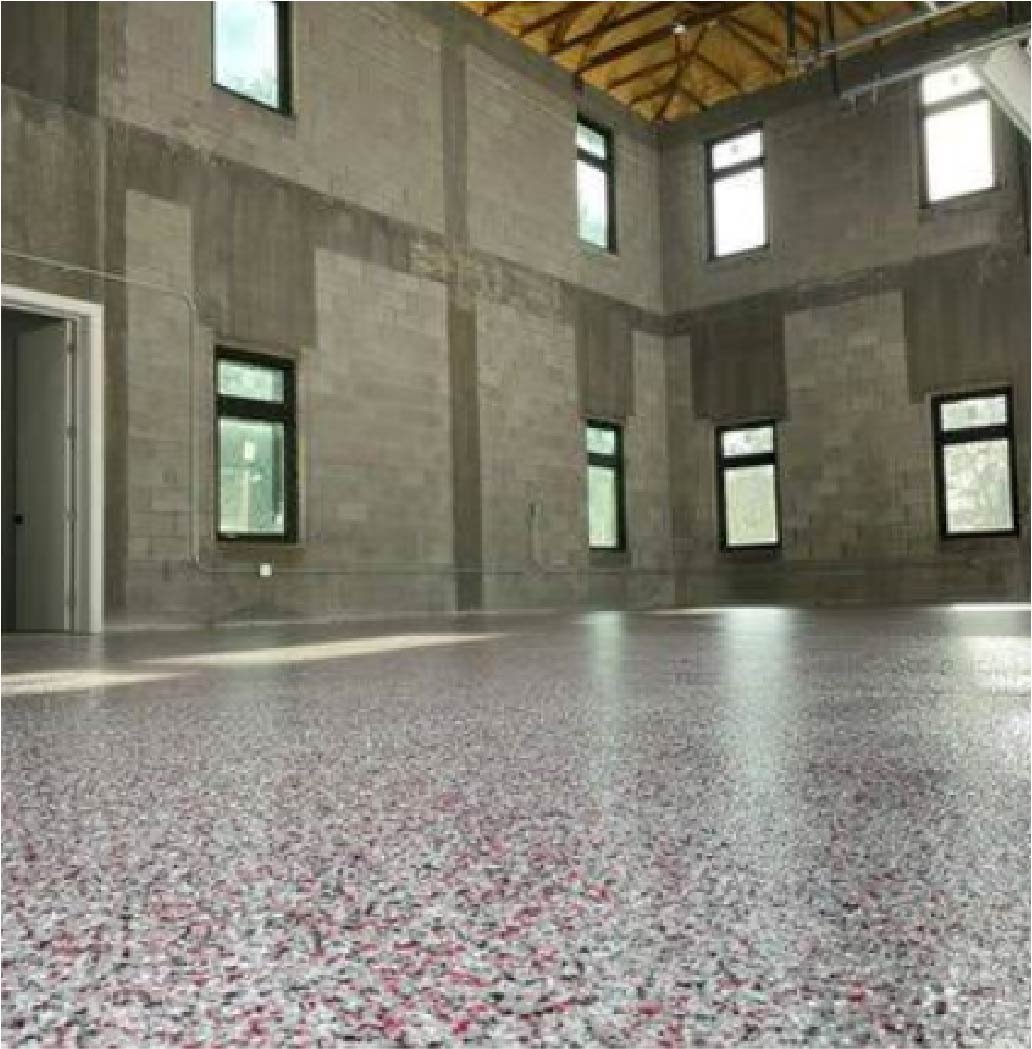
Concrete might look tough, but it’s constantly under attack. Rain, oil spills, foot traffic, UV rays, and freeze-thaw cycles all chip away at its surface over time. Left untreated, even the sturdiest slab can crack, stain, or crumble years before it should.
That’s where protective coatings come in. A well-applied coating doesn’t just make concrete look better. It shields the material from the elements, resists chemical damage, and keeps surfaces safer and easier to maintain. For homeowners and business owners alike, that kind of protection can mean the difference between a driveway that lasts five years and one that lasts twenty.
This post breaks down why concrete coatings matter, what sets a high-quality coating apart, and where professional application makes the biggest difference. Whether you’re maintaining a warehouse floor or refreshing a backyard patio, understanding your options will help you make a smarter investment in your property.
Why Concrete Surfaces Need Protective Coatings
Untreated concrete is porous. That means moisture, oil, salt, and other substances can seep into the surface, causing discoloration, weakening the material from within, and accelerating cracks. In colder climates, water that gets trapped inside concrete can freeze and expand, leading to spalling and surface breakdown.
Commercial spaces face an even tougher challenge. Warehouse floors, parking garages, and industrial facilities deal with constant vehicle traffic, chemical spills, and heavy equipment. Without a protective layer, these surfaces wear down fast, leading to costly repairs and potential safety hazards from cracked or uneven flooring.
A quality coating acts as a barrier between the concrete and everything that threatens it. It reduces porosity, resists stains, and adds a layer of durability that bare concrete simply doesn’t have on its own.
What Makes a High-Performance Coating Different
Not all concrete coatings are created equal. Many basic sealants wear off within a year or two, requiring frequent reapplication and ongoing expense. Higher-performance coatings are engineered to bond more deeply with the concrete surface, creating a finish that resists abrasion, chemical exposure, and UV fading for far longer.
The application process matters just as much as the product itself. Proper surface preparation, including cleaning, profiling, and repairing any existing damage, ensures the coating adheres correctly and performs as intended. Skipping these steps is one of the most common reasons coatings fail prematurely.
Temperature control, curing time, and the number of coats applied also play a role in the final result. A rushed job might look fine at first, but it rarely holds up to real-world wear. That’s why working with an experienced applicator, rather than attempting a DIY approach, tends to pay off in the long run.
Key Benefits of Professional Concrete Coating Services
Investing in a professionally applied coating offers several advantages:
- Extended surface lifespan. A quality coating can add years, sometimes decades, to the usable life of a concrete surface by protecting it from the wear that would otherwise cause cracking and deterioration.
- Reduced maintenance costs. Coated surfaces are easier to clean and resist staining, which means less time and money spent on upkeep.
- Improved safety. Many coatings include slip-resistant additives, which matter in spaces like garages, warehouses, and pool decks where wet or oily surfaces pose a fall risk.
- Enhanced appearance. Coatings can brighten dull concrete, add color options, or create a polished, professional look for both residential and commercial spaces.
- Chemical and stain resistance. For garages, industrial floors, and driveways, resistance to oil, gasoline, and de-icing salts prevents unsightly stains and surface damage.
These benefits compound over time. A surface that resists damage also requires fewer repairs, which means lower long-term costs and less disruption to daily operations.
Where These Coatings Make the Biggest Impact
Concrete coatings aren’t a one-size-fits-all solution. Different environments call for different formulations and application techniques.
Residential driveways and patios benefit from coatings that resist UV fading and oil stains while improving curb appeal. Homeowners often choose coatings that offer a decorative finish alongside protection.
Garage floors see heavy traffic and frequent exposure to oil, gasoline, and chemicals. A durable coating here prevents staining and makes cleanup far simpler.
Warehouses and industrial facilities need coatings engineered for heavy equipment traffic, chemical spills, and constant wear. These spaces often require specialized formulations designed for high-impact, high-traffic conditions.
Parking structures face exposure to weather, vehicle fluids, and de-icing salts in colder regions. A properly coated parking surface resists cracking and extends the structure’s lifespan significantly.
In each case, matching the coating to the environment is critical. What works for a quiet backyard patio won’t necessarily hold up in a busy loading dock, which is why professional assessment and application matter.
Choosing a Trusted Coatings Partner
Dependable protection that stands up to years of wear without constant touch-ups or costly repairs is exactly what Carbon Concrete Coatings is built to deliver. Rather than relying on generic, one-size-fits-all sealants, the company evaluates each surface individually, factoring in traffic patterns, climate exposure, and the specific demands of the space before recommending a solution.
That tailored approach makes a real difference. A coating designed for a sunbaked driveway won’t necessarily perform the same way on a chemical-exposed warehouse floor, and getting that match right from the start saves property owners from premature coating failure and repeat costs down the line.
Working with a team that understands both the science of concrete coatings and the realities of how a surface will actually be used means fewer surprises later. It also means a finish that looks sharp and performs reliably, whether it’s protecting a quiet garage floor or a high-traffic commercial facility.
Protect Your Investment Before Damage Sets In
Concrete doesn’t announce its wear and tear until the damage is already visible, by which point repairs tend to cost far more than prevention would have. A proactive coating application protects against moisture, chemicals, and daily wear long before cracks or stains become a problem.
If you’re weighing whether a coating is worth the investment, consider the long-term math: fewer repairs, less frequent maintenance, and a surface that holds up to whatever your home or business throws at it. That’s a trade-off worth making, and the sooner a coating goes on, the longer your concrete stays protected.
If you’re ready to give your concrete surfaces the protection they deserve, reach out to a team that specializes in matching the right coating to your specific needs. A well-protected surface today means fewer headaches and expenses tomorrow.
