


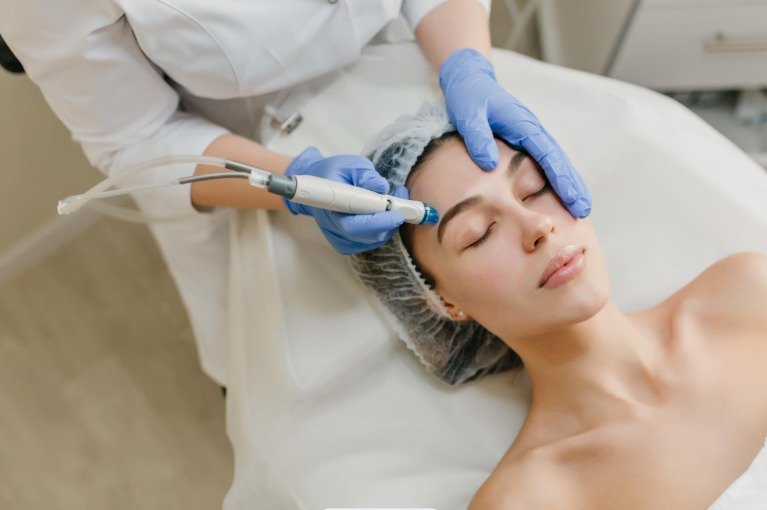
Healthy skin is influenced by genetics, age, lifestyle, environmental exposure, and everyday skincare habits. Acne marks, pigmentation, uneven texture, unwanted growths, and early signs of ageing can affect people with different skin types. Choosing an appropriate skin treatment Dubai residents can access begins with understanding their individual concerns and identifying procedures that are medically suitable. Modern dermatology offers several options designed to improve skin appearance while prioritising safety and personalised care.
Why Does Skin Need Professional Attention?
Skin acts as a protective barrier against environmental irritants, microorganisms, and moisture loss. Over time, sunlight, pollution, hormonal changes, inflammation, and natural ageing can affect its appearance and function.
Some concerns respond well to a consistent skincare routine, while others may require assessment by a dermatologist. Persistent acne, changing moles, unusual growths, severe pigmentation, and recurring inflammation should not be treated through cosmetic products alone.
A professional assessment helps distinguish between conditions that look similar but require different approaches.
Common Skin Concerns That Can Be Addressed
Acne and Acne Scars
Acne develops when hair follicles become blocked by oil and dead skin cells. Inflammation can lead to spots, cysts, and, in some cases, lasting scars.
Acne scar management may involve treatments such as microneedling, chemical peels, or laser procedures, depending on scar type and skin suitability. Active acne should also be managed to reduce the risk of further scarring.
Melasma and Pigmentation
Melasma and other pigmentation concerns can appear as brown or greyish patches, often on the face. Hormonal influences, sun exposure, and individual skin characteristics may contribute.
Treatment begins with identifying the type of pigmentation. Options may include prescribed topical products, chemical peels, or selected laser treatments. Consistent sun protection is particularly important because ultraviolet exposure can worsen pigmentation.
Skin Tags, Moles, and Warts
Small skin growths can occur in different areas of the body. Although many are harmless, a new or changing lesion should be assessed before removal.
Depending on the diagnosis, procedures such as radiofrequency surgery, electrosurgery, electrocautery, or excision may be considered. Removing a suspicious lesion without proper examination is not advisable.
Milia and Molluscum
Milia are small keratin-filled cysts that commonly appear around the face. Molluscum contagiosum is a viral skin condition that causes small raised bumps.
Both require an appropriate diagnosis. Professional extraction or other treatment may be recommended depending on the condition and its location.
Stretch Marks and Other Scars
Stretch marks develop when the skin stretches or changes rapidly. Scars may follow injuries, surgery, or inflammation.
Some procedures aim to improve skin texture and the appearance of marks. Results depend on scar depth, age, skin type, and treatment method.
Exploring Modern Dermatology Procedures
A personalised treatment plan may include one or more of the following procedures.
1. Electrosurgery
Electrosurgery uses controlled high-frequency electrical energy to remove selected skin lesions or growths. It may be considered for appropriate benign lesions after clinical evaluation.
2. Radiofrequency Surgery
Radiofrequency techniques use electrical energy to treat certain skin conditions, including selected skin tags, warts, and moles. The procedure and expected healing depend on the lesion being treated.
3. Electrocautery
Electrocautery uses heat to remove or treat selected growths and can help seal small blood vessels during a procedure. Proper assessment and aftercare help support healing.
4. Skin Tumour Excision
When a skin growth requires surgical removal, excision may be recommended. The removed tissue may need laboratory examination to establish its nature. The technique depends on the size, location, and suspected diagnosis.
5. Acne Scar Management
Microneedling, chemical peels, and laser treatments may be used to improve the appearance of certain acne scars. The best option depends on whether scars are shallow, deep, raised, or associated with ongoing acne.
6. Microneedling
Microneedling uses fine needles to create controlled microscopic punctures in the skin. This stimulates the body’s wound-healing response and may support collagen and elastin production.
The procedure can help improve selected concerns involving skin texture and mild scarring. Temporary redness and swelling may occur, and appropriate aftercare is essential.
7. Chemical Peels and Pigmentation Care
Chemical peels use selected exfoliating agents to remove controlled layers of surface skin. They may be recommended for certain types of pigmentation, uneven tone, and texture concerns.
The strength and formulation should be chosen according to the skin condition and individual tolerance. Not every peel is suitable for every skin type.
How Is the Right Skin Procedure Selected?
The first step is a detailed skin assessment. A dermatologist reviews the patient’s concerns, medical history, medications, previous treatments, skin type, and sensitivity.
Depending on the condition, examination or additional testing may be necessary before treatment. This is especially important for unusual growths, persistent pigmentation, and lesions that have changed in size, colour, or shape.
The clinician then discusses suitable options, expected outcomes, possible side effects, recovery time, and the number of sessions that may be required.
What Happens During a Skin Treatment Appointment?
The process varies according to the procedure. Generally, the treatment area is examined and prepared before the selected technique is performed.
For microneedling, the skin is cleansed and a numbing cream may be applied. A specialised device then creates controlled micro-injuries across the treatment area. Following the procedure, the skin may appear red or slightly swollen.
For pigmentation procedures, the specialist first assesses the affected areas and selects an appropriate treatment. Multiple appointments may be necessary, with intervals determined by the skin’s response.
For lesion removal, the clinician explains the method, wound care, and whether a tissue sample needs further examination.
The Importance of Aftercare and Sun Protection
Results depend not only on the procedure but also on appropriate recovery care.
Patients may be advised to use gentle cleansers, moisturisers, and broad-spectrum sunscreen. Direct sun exposure, harsh exfoliants, and unapproved active ingredients may need to be avoided temporarily.
It is important not to pick, scratch, or aggressively scrub a healing treatment area. Following the clinician’s instructions can reduce irritation and support recovery.
People with a history of pigmentation should be particularly careful about sun protection, since ultraviolet exposure may contribute to recurring dark patches.
Choosing Treatments with Realistic Expectations
No single cosmetic or dermatological procedure can address every skin concern. Some conditions improve gradually, while others may require ongoing management. Results can vary according to age, skin type, medical history, treatment consistency, and environmental factors.
Patients should ask about potential risks, expected downtime, maintenance requirements, and alternative options. A responsible treatment plan focuses on suitability and skin health rather than promising flawless results.
Conclusion
Achieving healthier-looking skin starts with understanding its needs and choosing procedures based on professional evaluation. From acne scar management and pigmentation care to microneedling and selected lesion-removal techniques, modern dermatology offers different approaches for individual concerns. For personalised aesthetic and dermatological care in Dubai, Cutis International provides a range of skin procedures guided by clinical assessment. Exploring suitable skin solutions Dubai residents can consider and discussing appropriate skin solutions Dubai options with a qualified specialist can help establish a practical skincare journey.
