


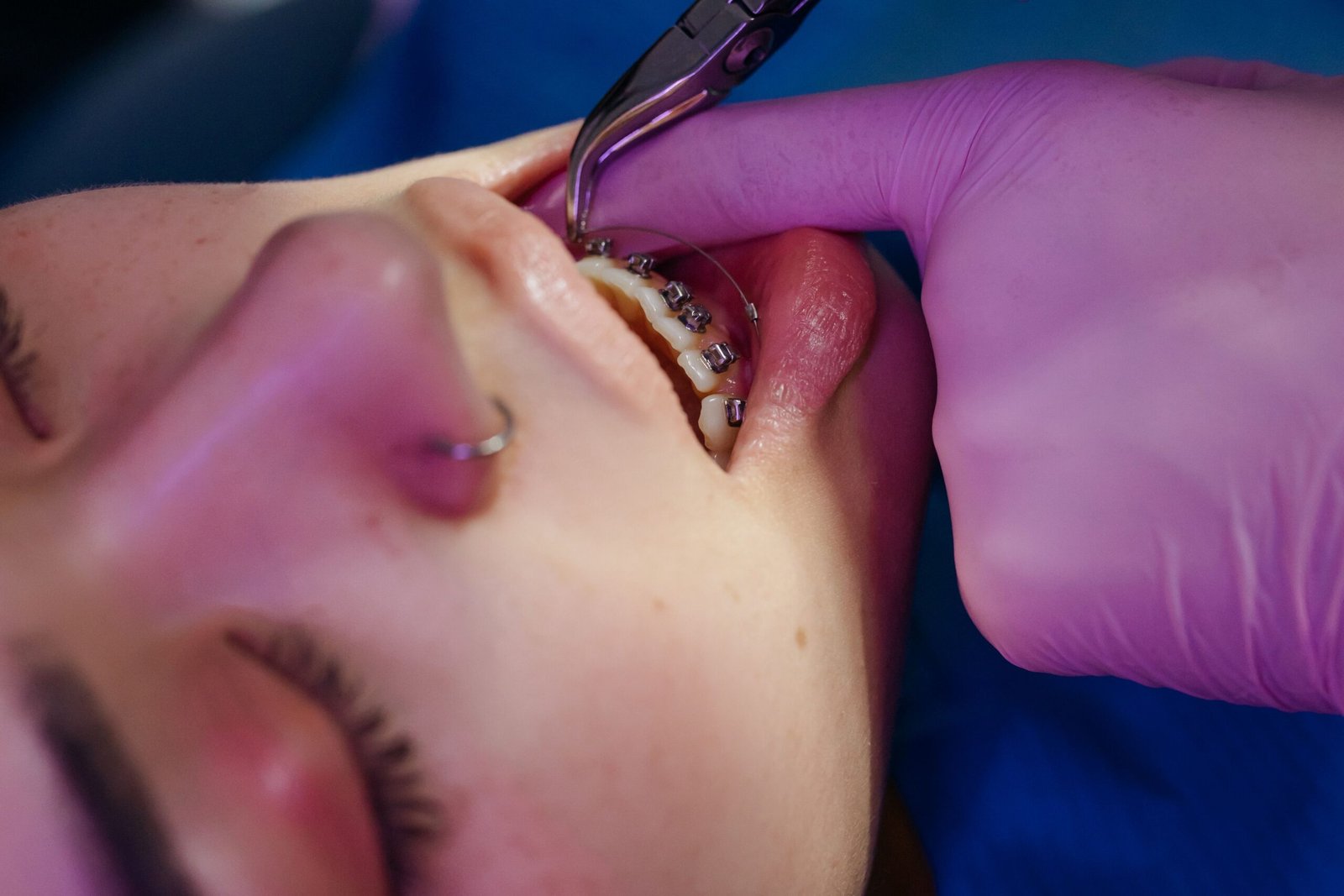
Thinking about straightening your teeth often begins with a simple goal: achieving a more attractive smile. However, orthodontic treatment involves much more than changing how your teeth look. It can influence your bite, chewing function, oral hygiene routine, and everyday comfort. For people considering treatment in Snohomish, WA, practical factors such as appointment schedules, treatment options, and long-term maintenance also deserve attention. Understanding what the process actually involves can help you make a more informed decision and avoid common misconceptions before getting started.
Orthodontic Treatment Is About More Than Appearance
One of the biggest misconceptions about braces is that they are purely cosmetic. Although a straighter smile is an obvious benefit, correcting misalignment can also improve how the upper and lower teeth meet.
Crowded or overlapping teeth can make brushing and flossing more difficult. Certain bite problems may contribute to uneven tooth wear, difficulty chewing, or discomfort when the teeth come together. Correcting these concerns can support better oral function, although the benefits depend on the individual’s condition and treatment goals.
Orthodontists assess several factors before recommending treatment, including spacing, crowding, jaw relationships, tooth positions, and bite alignment. The objective is not simply to create an attractive arrangement of teeth. It is to develop an alignment that works comfortably and can be maintained over time.
Your Choice of Braces Should Reflect Your Needs
Not every orthodontic treatment works equally well for every patient. The most appropriate option depends on the complexity of the alignment problem, the movements required, personal preferences, and the ability to follow treatment instructions.
For anyone comparing options for braces in Snohomish WA, it is worth discussing how different appliances work, what results are realistic, and what daily responsibilities each option involves. A useful consultation should explain the treatment process rather than focus exclusively on appearance or technology.
Traditional metal braces use brackets and wires to guide teeth into planned positions. Ceramic braces work similarly but use tooth-colored components that are less noticeable. Clear aligners use removable trays and may suit certain alignment concerns, although they require consistent wear. Lingual braces are attached behind the teeth, making them less visible from the front, but they may not be appropriate for every case.
The best choice is the one that addresses your orthodontic needs while fitting your lifestyle and ability to maintain the treatment routine.
There Is No Universal Best Age for Treatment
Many people associate braces with adolescence, but orthodontic treatment is not limited to teenagers. Children, teenagers, and adults can all benefit from an orthodontic evaluation when alignment or bite concerns are present.
For younger patients, an early assessment can help identify developing problems involving jaw growth, tooth eruption, or spacing. Some conditions may benefit from treatment while a child is still growing. Others are better addressed later, once more permanent teeth have appeared.
Adults can also achieve meaningful improvements in tooth alignment. However, their treatment plans may need to account for existing dental work, gum health, bone support, and other oral health considerations.
Age alone does not determine whether someone needs braces. An examination helps establish whether treatment is appropriate, when it should begin, and which approach is likely to produce a stable result.
A Consultation Should Explain the Details
Before agreeing to treatment, make sure the consultation covers more than estimated costs and expected appearance. You should understand the condition being corrected, the proposed tooth movements, and the limitations of the recommended approach.
Ask whether imaging, photographs, or digital scans are needed to assess your teeth and bite. Find out how frequently appointments will take place and what could affect the expected timeline. It is also useful to discuss possible discomfort, emergency arrangements, and what happens if treatment does not progress as planned.
The American Association of Orthodontists explains common misconceptions about treatment in its guide to orthodontic treatment myths. Reviewing reliable information can help you prepare questions and distinguish realistic expectations from assumptions.
Daily Habits Have a Bigger Impact Than You Think
Orthodontic treatment requires consistency. Braces or aligners apply controlled pressure over time, but everyday habits influence how smoothly the process progresses.
People wearing traditional braces usually need to avoid particularly hard, sticky, or chewy foods that can damage brackets and wires. Brushing carefully after meals and cleaning between teeth are also important because food particles can collect around orthodontic appliances.
Clear aligner users have different responsibilities. Trays generally need to be worn according to the orthodontist’s instructions and removed for eating and drinking anything other than water. Forgetting to put them back in or leaving them out for extended periods can interfere with the planned treatment.
Small decisions become important over several months. Following instructions, attending appointments, and maintaining good oral hygiene can help prevent avoidable delays.
Discomfort Is Usually Temporary, but Care Matters
Some soreness or pressure is common when braces are first fitted or adjusted. Teeth may feel tender for a few days as they respond to the forces involved in movement. Clear aligners can also create temporary pressure when a new tray is introduced.
This discomfort does not necessarily indicate a problem. However, persistent or severe pain, swelling, damaged appliances, or unusual changes should be discussed with the orthodontic office.
Patients can ask their orthodontist about appropriate ways to manage temporary soreness. Soft foods may be more comfortable during adjustment periods, while orthodontic wax can help protect areas irritated by brackets or wires.
It is important not to make adjustments to appliances independently. A loose bracket, broken wire, or damaged aligner should be reported so the orthodontist can recommend the appropriate next step.
The Total Cost Includes More Than Braces
Comparing treatment prices requires looking beyond the initial quote. Ask what the total fee includes, such as diagnostic records, appliances, routine appointments, replacement components, emergency care, and retainers.
Payment arrangements and insurance benefits also deserve attention. Some plans provide orthodontic coverage with specific limits, age restrictions, or eligibility requirements. Understanding these details before treatment begins can prevent unexpected expenses.
It is equally important to understand what happens if treatment takes longer than expected. Ask whether additional appointments or replacement appliances affect the total cost and whether post-treatment retainers are included.
A clear financial explanation makes it easier to compare treatment plans fairly.
Retainers Protect the Results
Getting braces removed is an exciting milestone, but it does not mean the orthodontic process is completely finished. Teeth can continue moving after treatment because the surrounding bone and tissues need time to adapt to their new positions. Natural changes can also affect alignment over the years.
Retainers help maintain the results achieved through braces or aligners. Depending on the case, an orthodontist may recommend a removable appliance, a fixed retainer, or a combination of both.
The American Association of Orthodontists explains why retainers remain important after active treatment in its guide to maintaining your teeth after orthodontics. Following the prescribed wear schedule and attending recommended follow-up visits can help reduce unwanted movement.
Make the Decision With Realistic Expectations
Straightening your teeth is a process that requires planning, patience, and consistent care. The right treatment should address your dental needs, fit your daily routine, and include a clear strategy for maintaining the results.
Ask questions, understand the available options, and make sure you know what will be expected throughout treatment. A well-informed decision is more valuable than choosing an appliance based only on appearance or convenience. The goal is not simply to finish treatment with straighter teeth, but to achieve an outcome that supports a comfortable, healthy, and lasting smile.
