


Understanding the Core Frameworks of Civil and Criminal Law
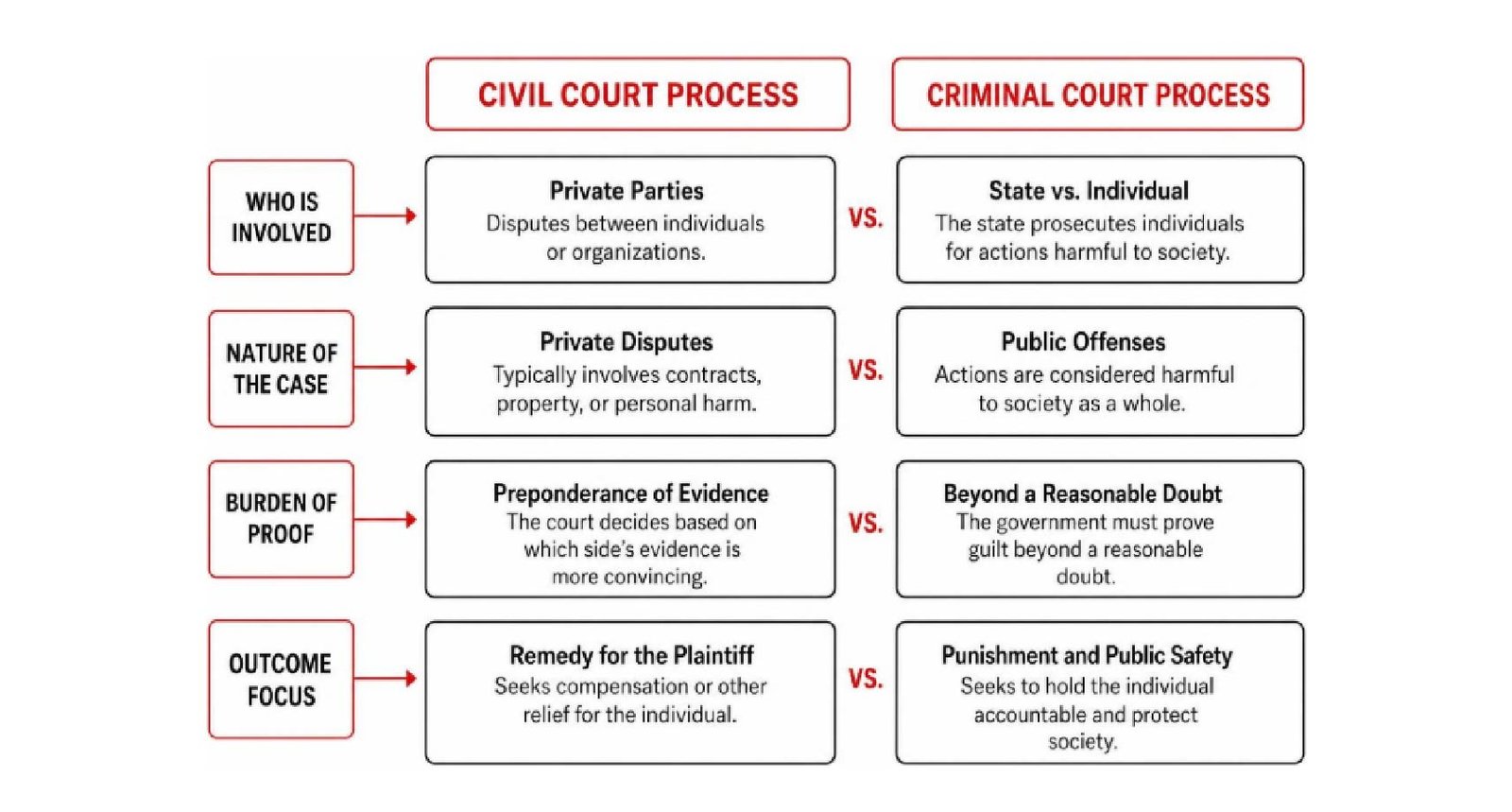
At the heart of the legal system lies a fundamental divide: the distinction between civil and criminal law. Understanding this framework is the first step toward effective navigation. Criminal law involves the state prosecuting individuals for actions deemed harmful to society as a whole. The burden of proof here is high—the government must prove guilt “beyond a reasonable doubt.” Conversely, civil law deals with disputes between private parties, such as individuals or corporations, typically involving contracts, property, or personal harm. In these cases, the “preponderance of evidence” standard is used, meaning the court decides based on which side’s evidence is more convincing.
Navigating these tracks requires an awareness of jurisdictional boundaries. A single event can sometimes trigger both systems simultaneously; for instance, a car accident caused by an impaired driver may result in criminal charges for the driver and a separate civil lawsuit for damages. Recognizing these dual-track proceedings is essential for managing your strategy, as the outcomes and procedural requirements of one can significantly influence the other.
Navigating Complex Legal Challenges in Family and Criminal Courts
Family law and criminal matters often represent the most emotionally taxing legal hurdles. In family court, issues such as custody determinations and emergency protective orders require a delicate balance of procedural precision and emotional resilience. These cases often move rapidly, and the stakes—such as the safety of a child or the stability of a household—are incredibly high. When facing such sensitive situations, it is vital to consult with experts who understand both the legal statutes and the human element. Professionals experienced in family law and criminal defense can provide the necessary guidance to ensure your rights are protected while you navigate these high-pressure environments.
In the criminal sphere, understanding prosecutor discretion and the role of victim advocacy is paramount. You are not merely a bystander in these proceedings; you are a participant whose input can shape the trajectory of a case. By maintaining clear communication with your legal team, you can better navigate the complexities of court appearances and plea negotiations.
Personal Injury Claims and Civil Liability Standards
When you suffer harm due to another’s negligence, the resulting civil litigation can be overwhelming. Tort law is designed to make the injured party “whole” again, but the process of calculating damages—which includes medical bills, lost wages, and pain and suffering—is highly technical. Many individuals hesitate to pursue these claims due to the perceived cost of representation. However, many firms offer no-fee legal representation through contingency fee arrangements, where the attorney’s fee is a percentage of the final settlement or judgment. This model ensures that access to justice is not restricted to those with immediate financial resources.
Strategic Methodologies for Navigating Complex Legal Challenges
Success in the legal arena is rarely the result of luck; it is the product of meticulous case management. Whether you are a business owner or an individual, the strategy remains the same: intervene early, maintain rigorous procedural compliance, and keep your legal counsel informed. Early intervention often allows for the resolution of disputes through mediation or negotiation, avoiding the time and expense of a full trial.
Immediate Evidence Preservation and Digital Recordkeeping
The moment a legal issue arises, your priority must be the preservation of evidence. In our digital age, this means more than just saving physical documents. It involves capturing digital communications, maintaining contemporaneous logs of events, and ensuring that no evidence is destroyed—a concept known as avoiding spoliation.
When collecting evidence, always be mindful of local laws regarding one-party consent for recordings. A well-indexed, chronological file of messages, emails, and witness statements can be the decisive factor in your case. If you are unsure how to handle a piece of evidence, consult your attorney before taking any action that might compromise the chain of custody.
Selecting Qualified Legal Counsel and Avoiding Representation Pitfalls
Choosing the right attorney is the most significant decision you will make. Look for specialization rather than a “jack-of-all-trades” approach. During your initial consultation, pay attention to the lawyer’s communication style and fee transparency. A professional should be able to explain their fee structure—whether hourly, flat fee, or contingency—without ambiguity. Be wary of any attorney who guarantees a specific outcome; the legal system is inherently unpredictable, and such promises are often a red flag indicating a lack of professional integrity.
Proactive Risk Management for Businesses and Non-Lawyer Literacy
For professionals and business owners, legal literacy is a form of risk mitigation. Understanding basic concepts like force majeure clauses in contracts or the nuances of corporate governance can prevent disputes before they start. Many universities and law schools now offer Master of Science in Law (MSL) programs designed for non-lawyers who want to gain a working understanding of legal concepts to better collaborate with counsel. Proactive compliance is significantly cheaper than reactive litigation.
Specialized Arenas: Immigration, Appeals, and Constitutional Law
Some legal challenges exist in highly specialized silos. Immigration law, for instance, is characterized by its own administrative tribunals and unique procedural hurdles. Similarly, appellate advocacy is a distinct discipline from trial litigation. While a trial focuses on the presentation of evidence, an appeal is a rigorous review of the trial record to identify procedural or legal errors.
Navigating Complex Legal Challenges in Appellate and Constitutional Litigation
Appellate courts operate on a different plane. They do not re-weigh evidence; they examine whether the law was applied correctly. If you believe a trial court made a significant error, your strategy must shift from factual persuasion to legal argumentation. This often involves filing detailed briefs and preparing for oral arguments where every word is scrutinized. Constitutional challenges, such as those involving facial or “as-applied” claims, require an even higher level of academic and procedural rigor, often necessitating notice to the attorney general under rules like Rule 5.1.
Systemic Realities in Immigration Courts and Specialized Tribunals
The immigration system is currently marked by significant backlogs and a profound “representation gap.” Because there is no right to court-appointed counsel in immigration proceedings, the outcome for many individuals often hinges on their ability to secure private or pro bono help. Navigating these challenges requires patience, meticulous documentation of asylum or residency claims, and an understanding of the interplay between federal immigration policy and local administrative processes.
Modern Legal Accessibility: Technology, Court Preparation, and Legal Aid
The landscape of legal accessibility is changing. Technology, including AI-assisted document review and online dispute resolution, is helping to bridge the gap for underserved litigants. However, these tools are supplements, not replacements, for sound legal advice and human advocacy.
Legal Aid Infrastructure and Pro Bono Resources
If you lack the financial resources for private counsel, do not assume you are without options. Civil legal aid organizations, law school clinics, and pro bono networks are designed to assist those who would otherwise go unrepresented. Reach out to your local bar association to ask about directories of legal aid providers. These organizations are often the front line of defense in housing, family, and employment disputes.
Artificial Intelligence, Online Dispute Resolution, and Courtroom Readiness
As courts increasingly adopt digital platforms, “courtroom readiness” now includes technical proficiency. Whether you are participating in a virtual hearing or preparing for a physical appearance, the basics remain: dress professionally, be punctual, and remain calm. If you are using AI tools for document organization, ensure your data privacy is protected. Most importantly, focus on your psychological well-being; legal challenges are stressful, and maintaining a support system is vital for your long-term health.
Frequently Asked Questions About Legal Procedures
What is the primary difference between civil and criminal burdens of proof?
In a criminal case, the state must prove the defendant’s guilt “beyond a reasonable doubt,” a very high bar. In civil cases, the burden is a “preponderance of the evidence,” meaning it is more likely than not that the claim is true.
How can individuals verify whether a legal resource or guide is reliable?
Always check the source’s credentials. Look for information published by recognized bar associations, academic law journals, or official government websites. Be wary of guides that are not dated or that lack clear authorship.
What immediate steps protect individual rights after receiving a summons or subpoena?
Do not ignore the document. Note the deadline for a response, preserve all related documents, and contact an attorney immediately. Avoid discussing the matter on social media or with unauthorized parties, as your statements could be used against you.
Conclusion
Navigating complex legal challenges is a marathon, not a sprint. By understanding the frameworks of our legal system, prioritizing the preservation of evidence, and securing the right professional guidance, you can effectively manage the risks and uncertainties that come your way. Whether you are dealing with a complex contract dispute or a sensitive personal matter, you have the right to be heard and the right to seek expert assistance. Stay informed, act decisively, and do not hesitate to reach out for the support you need to protect your future.
