


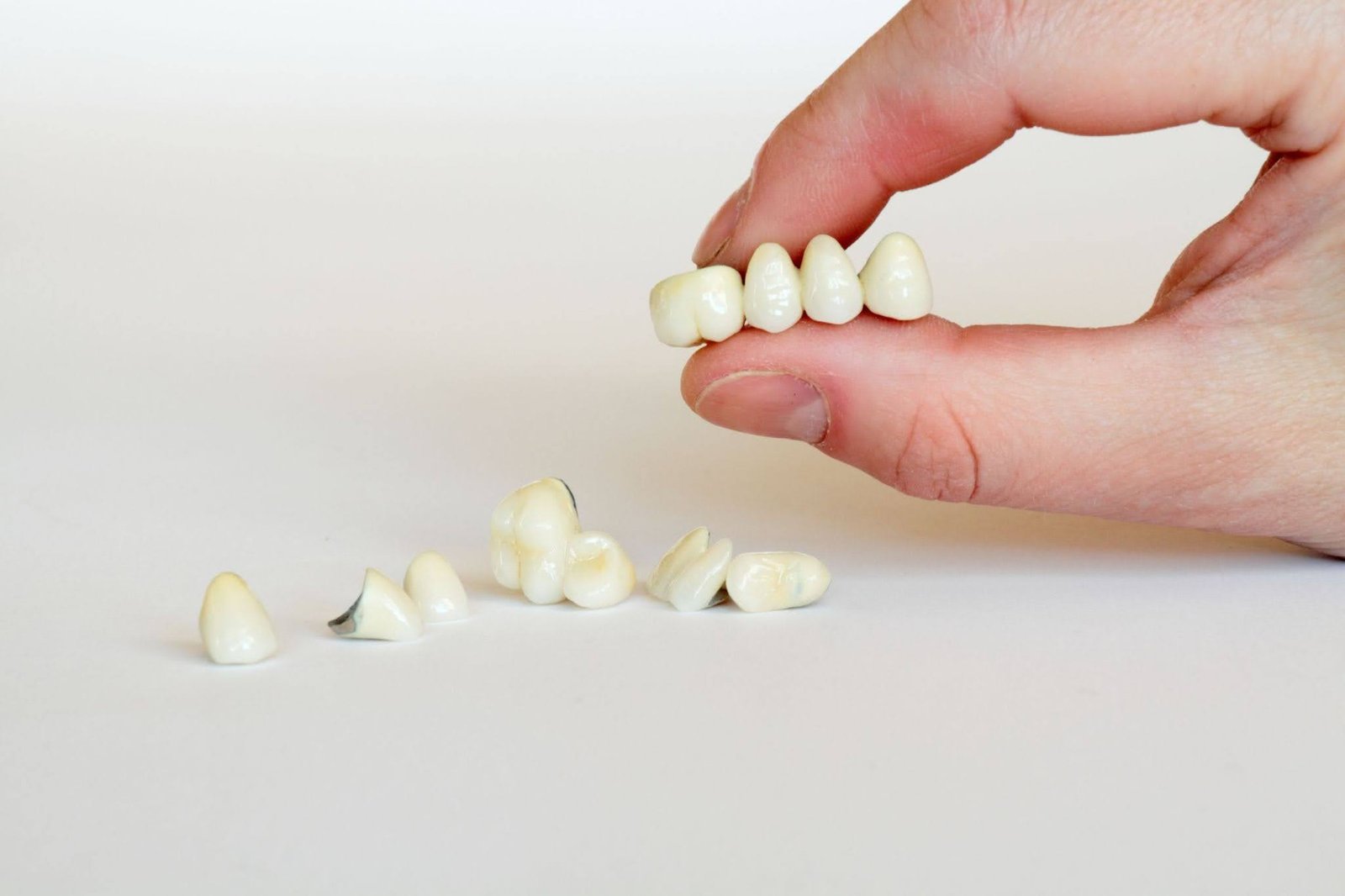
Losing a tooth can feel like a small problem at first. Maybe it is a back tooth that no one sees. Over time, though, that empty space can cause bigger trouble. Nearby teeth may start to shift, chewing can feel uneven, and your smile may not look the way you want. Losing teeth is also very common. Surveys show that most adults have lost at least one permanent tooth by middle age.
A dental bridge is one of the oldest and most trusted ways to fill that gap. In this guide, you will learn what a bridge is, the different types, how the process works, and how to care for your new teeth so they last for years.
What Is a Dental Bridge?
A dental bridge is a set of false teeth that fills the space left by one or more missing teeth. It gets its name because it “bridges” the gap between healthy teeth.
Think of a real bridge over a river. It needs strong supports on each side to hold it up. A dental bridge works the same way. The teeth on either side of the gap act as the supports, and the false tooth sits in the middle.
The Parts of a Dental Bridge
Most bridges have two main parts:
- Abutment teeth: These are the healthy teeth next to the gap. They are covered with crowns, which are tooth-shaped caps, to hold the bridge in place.
- Pontic: This is the false tooth that fills the empty space. It is shaped and colored to match your natural teeth.
Unlike dentures, a bridge is cemented in place. You do not take it out at night or soak it in a cup.
Why Is It Important to Replace a Missing Tooth?
Some people wonder if a missing tooth really needs to be replaced. In most cases, the answer is yes. Here is why:
- Teeth can shift. Nearby teeth often lean or drift into the empty space. This can make your bite uneven and create hard-to-clean spots.
- Chewing gets harder. A gap can make it tough to bite or chew certain foods, which may put extra strain on other teeth.
- Speech can change. Missing front teeth can affect how you say certain sounds.
- Your face shape may change. Over time, the jawbone under a missing tooth can shrink, which may make the face look older.
- Confidence can drop. Many people avoid smiling or laughing in public when they have a visible gap.
For example, picture someone who loses a lower molar and decides to leave the space empty. A few years later, the tooth above it starts to grow downward because it has nothing to bite against. The teeth beside the gap also tip inward. A simple fix early on could have prevented these problems.
What Are the Different Types of Dental Bridges?
Not every bridge is the same. Your dentist will suggest a type based on where the gap is and how healthy the nearby teeth are.
Traditional Bridges
This is the most common type. It uses crowns on the teeth on both sides of the gap to hold the false tooth in the middle. Traditional bridges are strong and work well for both front and back teeth.
Cantilever Bridges
A cantilever bridge is supported by a crown on only one side of the gap. It is used when there is a healthy tooth on just one side of the space. Because it has less support, it is usually placed in areas that do not take heavy chewing forces.
Maryland Bridges
A Maryland bridge uses a metal or porcelain framework that is bonded to the backs of the nearby teeth. This means the supporting teeth do not need full crowns, so less of the tooth is removed. It is often used for front teeth.
Implant-Supported Bridges
Instead of resting on natural teeth, this type is held in place by dental implants. Implants are small posts placed in the jawbone. This option is great for people missing several teeth in a row, and it does not affect healthy neighboring teeth.
Who Is a Good Candidate for a Dental Bridge?
Most people with one or more missing teeth can get a bridge. A good candidate usually has:
- Healthy teeth on each side of the gap that are strong enough to support the bridge
- Healthy gums without active gum disease
- Good daily brushing and flossing habits
If you are not sure whether a bridge is right for you, a visit with a trusted park ridge il dentist can help answer that question. A short exam and X-rays will show whether the supporting teeth and gums are ready.
How Does the Dental Bridge Process Work?
Getting a traditional bridge usually takes two or three visits over a few weeks.
First Visit: Preparing the Teeth
The dentist numbs the area so you stay comfortable. Next, the supporting teeth are reshaped by removing a thin layer of enamel. This makes room for the crowns. The dentist then takes an impression or digital scan of your teeth. This model is sent to a dental lab, where your bridge is made. Before you leave, you get a temporary bridge to protect your teeth.
Second Visit: Placing the Bridge
When the final bridge is ready, the temporary one is removed. The dentist checks the fit, color, and bite. Small changes may be made so everything feels natural. Once it fits well, the bridge is cemented in place. Some dentists may first use temporary cement and ask you to return after a week or two to check how it feels.
Dental Bridges vs. Other Options
Bridges are not the only way to replace missing teeth. Here is how they compare to two other common choices.
Dentures are removable and cost less at first. However, they can slip while eating or talking, and they need to be taken out for cleaning.
Dental implants replace the root of the tooth and do not rely on nearby teeth. They can last a very long time, but they need surgery and several months of healing. They also tend to cost more.
Bridges fall in the middle. They are fixed in place, feel natural, and take only a few weeks to complete. The main downside is that healthy teeth need to be reshaped to support them.
What Is It Like to Adjust to a New Bridge?
Most people get used to a bridge within a few days. At first, your bite might feel a little different, or your teeth may be sensitive to hot and cold. This usually fades quickly.
Start with soft foods cut into small pieces until you feel comfortable. If your bite still feels off after a week, call your dentist for a quick adjustment.
How to Care for Your Dental Bridge
A bridge cannot get cavities, but the teeth holding it up can. That is why daily cleaning is so important.
- Brush twice a day with fluoride toothpaste.
- Clean under the false tooth every day using a floss threader, a water flosser, or special bridge floss.
- Avoid chewing ice, hard candy, or other very hard foods.
- Limit sugary snacks and drinks that feed cavity-causing germs.
Regular checkups also help protect your bridge. During each visit, your park ridge il dentist can check the supporting teeth and gums and catch small problems early.
How Long Do Dental Bridges Last?
With good care, most bridges last between 5 and 15 years. Many last even longer. How long yours lasts depends on your oral hygiene, your diet, and the health of the supporting teeth. Studies show that the most common reason a bridge fails is decay in the teeth that hold it up, which is why cleaning under it matters so much.
What Affects the Cost of a Dental Bridge?
The cost of a bridge depends on several things, such as the number of missing teeth, the type of bridge, and the materials used. Porcelain bridges often cost more than those with metal parts. Extra treatments, like a root canal or gum care, can also add to the total. Many dental insurance plans cover part of the cost. Ask for a written estimate before you start.
Final Thoughts on Dental Bridges
A dental bridge is a simple, reliable way to fill the gap left by missing teeth. It helps you chew more easily, speak clearly, and smile with confidence. It also keeps nearby teeth from shifting out of place.
With the right care, a bridge can serve you well for many years. If you have a missing tooth, do not wait for other problems to show up. Schedule a dental visit, ask questions, and learn which option fits your needs best.
