


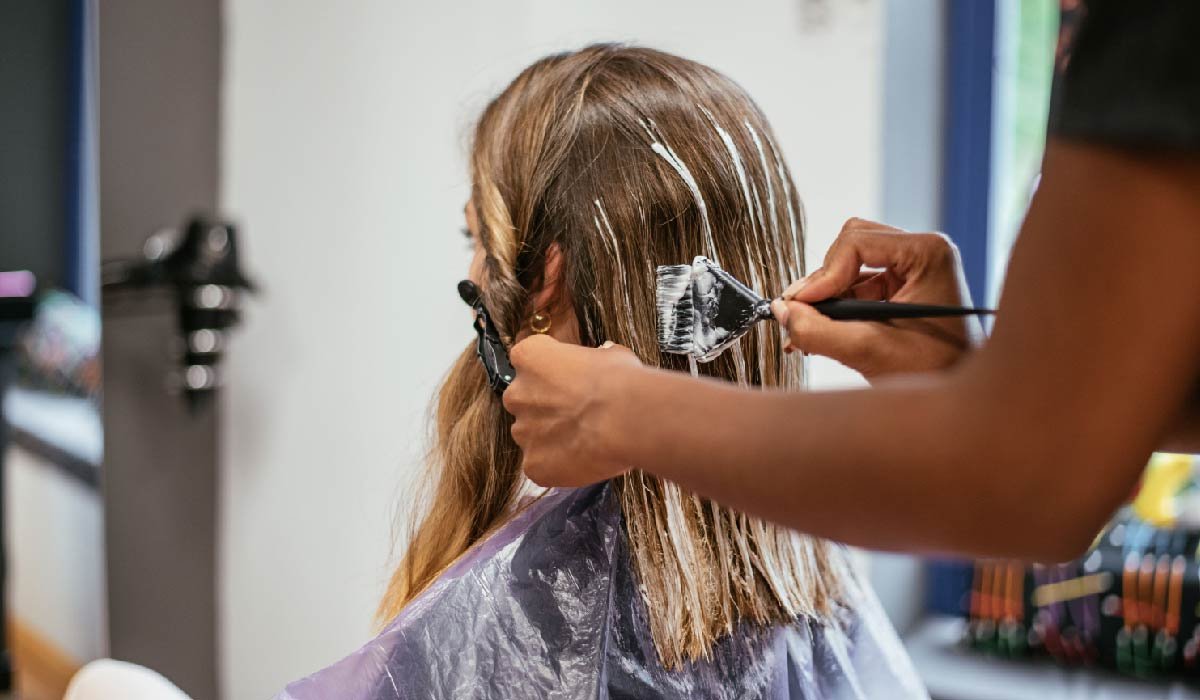
Hair colouring has become a popular way to refresh a hairstyle, enhance natural features and experiment with a different look. From subtle brown highlights to striking blonde transformations and pastel shades, the possibilities are extensive. However, concerns about dryness, breakage, hair loss and fading often leave people uncertain about whether colouring is suitable for their hair. Understanding the facts behind common hair colouring myths can help you make informed decisions without unnecessarily avoiding a style you would love to try.
In Singapore, maintaining coloured hair comes with additional considerations. High humidity, strong sunlight, frequent sweating and regular washing can affect how hair feels and how long its colour remains vibrant. Nevertheless, colouring does not automatically mean sacrificing healthy-looking hair. The outcome depends on factors such as your hair’s existing condition, the chemicals and techniques involved, the amount of lightening required and the care you provide afterwards. By separating misconceptions from practical advice, you can choose suitable colour services and establish a routine that supports both the appearance and condition of your hair.
Myth 1: Hair Colouring Always Damages Your Hair
One common misconception is that every colouring service causes severe damage. In reality, the level of risk depends on the formulation, application method, processing time and condition of the hair before treatment. Some temporary colour products mainly coat the hair surface, while permanent dyes alter pigment through chemical processes. Bleaching requires a more intensive process because it removes natural pigment to create a lighter base.
Hair that is already brittle, over-processed or unevenly coloured may be more vulnerable to further chemical stress. Repeatedly lightening the same sections can increase dryness and breakage, particularly when the hair’s strength has already been compromised. This is why a professional assessment matters before attempting a major transformation.
A responsible colouring plan should consider:
- Existing hair condition: Assess dryness, elasticity, porosity, previous bleaching and signs of breakage.
- Desired shade: Moving a few tones from your natural colour may require less intensive processing than achieving platinum blonde.
- Technique selection: Balayage, foil highlights and other methods distribute colour differently and can help tailor the result to your goals.
- Protective treatments: Bond-building and conditioning treatments may help improve manageability and reduce some forms of damage, although they cannot eliminate every risk.
The aim is not simply to achieve a particular shade, but to select an approach that your hair can reasonably tolerate.
Myth 2: Hair Dye Is the Main Cause of Hair Loss
Hair colouring can contribute to breakage, making strands appear shorter or thinner, but this is not the same as hair shedding from the roots. Chemical damage affects the hair shaft, whereas genuine hair loss may involve the follicles and can have many possible causes.
Aggressive bleaching, repeated chemical processing and rough handling of weakened strands may cause snapping, especially around the ends or hairline. However, noticeable shedding can also be associated with genetics, hormonal changes, illness, nutritional factors or scalp conditions.
If your hair seems thinner after colouring, consider whether you are seeing broken strands of different lengths or full-length hairs coming away from the scalp. This observation alone cannot establish the cause, but it can help you explain the problem to a professional.
Avoid further chemical treatments if your hair is severely weakened, and seek medical advice for persistent shedding, bald patches or scalp inflammation. A stylist can assess cosmetic damage, but unexplained hair loss requires appropriate medical evaluation.
Myth 3: Bleaching Once Is Enough to Ruin Hair
Bleaching is more intensive than many colouring methods, but the claim that one bleaching session inevitably ruins hair is misleading. The outcome depends on the starting colour, the target shade, the product used, the processing conditions and the hair’s previous treatment history.
Dark Asian hair often contains substantial underlying pigment, which may require careful lightening to achieve pale blonde, silver or pastel results. Attempting to reach a very light shade in one appointment can place considerable stress on the hair, particularly if it has previously been coloured or chemically straightened.
An experienced colourist may recommend gradual lightening over several appointments rather than pushing the hair beyond its limits. Techniques such as balayage, AirTouch and foilayage can also create different degrees of brightness and blending, depending on the desired result.
Blonde & Pastel Hair Salon in Singapore offers these colour techniques alongside personalised consultations, hair assessments and bond-building options, including K18 and Olaplex. These services are relevant because colour planning should account for hair condition as well as the final shade. Bond-building treatments can support hair strength and manageability, but they should not be treated as a guarantee against bleaching damage.
Myth 4: Humidity Causes Coloured Hair to Become Damaged
Singapore’s humid climate can make coloured hair more difficult to manage, but humidity itself is not the same as chemical damage. Hair can absorb moisture from the surrounding air, affecting its shape and making frizz more noticeable. When the hair’s outer cuticle has been compromised by bleaching or repeated chemical treatments, these changes may be more apparent.
Coloured hair can also feel rough because chemical processing has altered its surface and internal structure. Sweat, sun exposure, frequent washing and heat styling may add to the challenge of keeping strands smooth and maintaining colour vibrancy.
A practical routine can help:
- Use a suitable conditioner: Apply it mainly through the mid-lengths and ends to improve softness and reduce friction.
- Choose a leave-in product: A lightweight leave-in conditioner or anti-frizz serum may help manage flyaways without weighing down fine hair.
- Limit excessive heat: Allow hair to partially air-dry before styling, and use a heat protectant when blow-drying or using hot tools.
- Protect hair outdoors: Wear a hat when practical and consider hair products formulated to help protect against environmental exposure.
- Avoid unnecessary washing: Wash according to your scalp’s needs rather than following a rigid schedule, using a colour-safe shampoo where appropriate.
The goal is to manage moisture, friction and environmental exposure while preserving the hair’s condition.
Myth 5: Frequent Washing Makes Hair Colour Disappear Immediately
Washing coloured hair too frequently can contribute to faster fading, but avoiding shampoo altogether is not the answer. Singapore’s warm weather can leave the scalp sweaty and oily, particularly after commuting, exercising or spending time outdoors. Allowing sweat, oil and product residue to accumulate may leave the scalp uncomfortable.
The key is to balance scalp cleanliness with colour preservation. Hot water, harsh cleansing products and frequent use of clarifying shampoos can make some coloured hair feel drier and may accelerate colour loss, depending on the formula and shade.
Try these habits to keep your colour looking fresh:
- Use colour-safe shampoo: Choose a gentle formula suitable for your scalp and coloured hair.
- Wash with lukewarm water: Extremely hot water is unnecessary and may worsen dryness.
- Condition after shampooing: Concentrate conditioner on the lengths and ends, where dryness is often most noticeable.
- Reduce unnecessary washing: If your scalp becomes oily quickly, choose a suitable gentle shampoo rather than forcing yourself to wash less often.
- Refresh colour appropriately: Toners and gloss services can help restore the desired appearance when your shade becomes dull or develops unwanted warmth.
Remember that fading is normal. The rate depends on the dye type, shade, hair porosity, washing routine and environmental exposure.
Myth 6: Natural or Ammonia-Free Hair Colour Cannot Cause Problems
Products labelled natural, botanical or ammonia-free may sound gentler, but these descriptions do not guarantee that a formula is harmless or suitable for everyone. Certain ingredients can irritate the scalp or trigger allergic reactions.
Some permanent dyes contain para-phenylenediamine (PPD), which may cause allergic contact dermatitis in susceptible individuals. Symptoms can include itching, redness, swelling or a rash around the hairline, ears and neck.
To reduce potential risks, follow these precautions:
- Check ingredients: Review the product label and inform your stylist about known allergies or previous reactions.
- Follow testing instructions: Complete the recommended allergy alert or patch test before each application, as directed by the manufacturer.
- Avoid irritated scalps: Postpone colouring if your scalp is inflamed, damaged or unusually sensitive.
- Seek medical advice: Consult a healthcare professional before trying another dye if you have experienced a serious allergic reaction.
- Choose professional guidance: Ask your colourist to explain the product and its suitability for your hair and scalp.
- Avoid mixing products: Do not combine different hair dyes or chemicals unless the manufacturer specifically permits it.
- Watch for reactions: Stop using the product and seek medical advice if you notice unusual itching, burning or swelling after colouring.
Remember that a negative patch test cannot eliminate every risk. A professional consultation can help you explore suitable colouring options, but no hair colour product is completely risk-free.
What Actually Determines the Health of Coloured Hair?
Rather than judging a colour service solely by whether it uses chemicals, consider the complete process and the condition of your hair over time. Several factors work together to determine how well your hair tolerates colouring.
| Factor | Potential effect | Practical response |
| Previous bleaching | Can increase porosity, dryness and breakage | Share your full colour history before treatment |
| Amount of lightening | More intensive lightening generally increases damage risk | Discuss realistic shade goals and gradual alternatives |
| Heat styling | Excessive heat can worsen dryness and breakage | Use heat protection and moderate temperatures |
| Sun exposure | Can contribute to colour fading and brittle hair | Wear a hat and limit prolonged direct exposure |
| Aftercare routine | Influences softness, manageability and colour retention | Use suitable shampoo, conditioner and leave-in care |
| Scalp sensitivity | May increase the risk of irritation or allergic reactions | Follow testing guidance and disclose previous reactions |
A detailed consultation is particularly useful when correcting uneven colour, transitioning from dark hair to blonde or planning a pastel transformation. The stylist can evaluate the starting point, discuss the limitations of the hair and establish realistic expectations before beginning.
Building a Hair Care Routine for Singapore’s Climate
Singapore’s humid climate, strong sunlight and frequent sweating can make coloured hair more prone to frizz, dryness and fading. A consistent aftercare routine helps maintain colour vibrancy while keeping hair smooth and manageable.
- After colouring: Follow your stylist’s aftercare instructions and use colour-safe shampoo and conditioner to help preserve your shade.
- Between washes: Detangle gently with a wide-tooth comb, starting at the ends and working upwards to minimise breakage.
- During humid weather: Use a lightweight anti-frizz serum or leave-in conditioner to control flyaways without weighing your hair down.
- During styling: Limit excessive heat from straighteners and curling tools. Apply a heat protectant before styling to help reduce heat-related damage.
- When outdoors: Wear a hat when practical to limit prolonged sun exposure, which can contribute to colour fading and dryness.
- During salon visits: Consider toning, glossing or restorative treatments according to your hair’s condition rather than repeatedly applying permanent colour.
By following these simple habits, you can help maintain softer, shinier and more manageable coloured hair despite Singapore’s challenging weather conditions.
Final Thoughts
Hair colouring myths can make it difficult to distinguish genuine risks from unnecessary worries. The important lesson is that healthy-looking coloured hair depends on more than the dye itself. Your starting hair condition, the degree of lightening, the frequency of chemical treatments, styling habits and daily exposure to Singapore’s sun and humidity all influence the final result. Understanding these factors allows you to make decisions based on your hair’s actual needs rather than general assumptions.Before choosing a new shade, consider how much maintenance you can manage, whether your hair has undergone previous chemical treatments and how you want the colour to develop over time. A subtle balayage may suit someone seeking softer regrowth, while a blonde or pastel transformation may require a more involved plan. Regular conditioning, careful detangling, moderate heat styling and suitable colour-protection products can help maintain softness and vibrancy between appointments.
Professional advice can also be valuable when deciding between colour techniques or addressing dryness and uneven results. At Blonde & Pastel Hair Salon, personalised consultations, hair assessments, colouring techniques such as AirTouch and foilayage, and protective treatment options help guide clients towards suitable choices. Explore blondeandpastelhairsalon.sg to learn more about its services and consider a consultation before your next colour transformation. With realistic expectations and consistent care, you can enjoy experimenting with your look while giving your hair the attention it deserves.
Frequently Asked Questions
1. Does hair colouring permanently damage your hair?
Hair colouring does not inevitably cause severe damage, but permanent dyes and bleaching can alter the hair shaft. The risk depends on the formulation, processing method, previous treatments and existing hair condition. Appropriate colour selection, careful application and consistent aftercare can help minimise avoidable damage.
2. How often should I colour my hair in Singapore?
There is no single schedule suitable for everyone. Root touch-ups, all-over colour, balayage and heavily lightened blonde shades have different maintenance requirements. Your stylist should recommend an interval based on regrowth, fading, hair strength and the amount of chemical processing required.
3. Can I colour my hair if it is already dry or damaged?
Possibly, but the safest approach depends on the severity of the damage and the result you want. A stylist may recommend conditioning or bond-building treatments, a trim, a darker shade or postponing further chemical processing. If your hair is breaking extensively, prioritise assessment and recovery before attempting another transformation.
4. Why does my coloured hair become frizzy in humid weather?
Humidity allows hair to absorb moisture from the air, which can disrupt the smooth appearance of the strands. Previously bleached or damaged hair may be especially prone to frizz because its surface and structure have been altered. A suitable conditioner, lightweight anti-frizz product and gentler heat-styling routine can improve manageability.
5. Are blonde and pastel hair colours suitable for Asian hair?
Yes, many Asian hair types can be coloured blonde or pastel, although the process depends on natural pigment, hair texture and previous treatments. Pastel shades often require a sufficiently light base, which may involve several carefully planned sessions. A consultation helps establish a realistic colour goal and an appropriate maintenance plan.
