


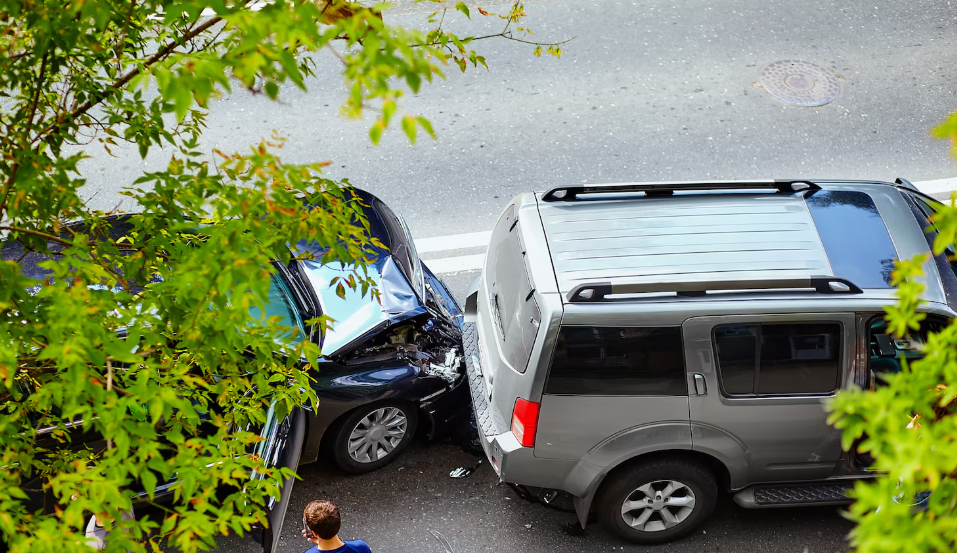
A hit and run crash leaves you hurt, shaken, and missing the one detail most injury claims depend on, which is the name of the driver who caused it. Without that name, many people assume nobody will pay for their medical bills or missed work. That is usually not the case. Speaking with experienced hit and run accident attorneys in Albuquerque early can help you see where compensation may come from and what steps protect it.
In New Mexico, the money after a hit and run often comes from your own auto insurance policy instead of the driver who fled. Knowing how that coverage works, what it can pay for, and where insurance companies tend to push back can affect how much you end up receiving.
Why Your Own Insurance Usually Pays After a Hit and Run
New Mexico law treats a driver who flees and stays unknown the same way it treats a driver with no insurance. That is why uninsured motorist coverage, often called UM coverage, is usually the main source of payment after a hit and run. Instead of filing against the other driver’s policy, you file a claim with your own insurance company.
Under NMSA § 66-5-301, insurers in New Mexico must offer UM coverage, and drivers who do not want it generally have to turn it down in writing. Many drivers carry it without realizing it, so it is worth pulling up your declarations page to check your limits. Keep in mind that your insurer still reviews the claim closely, even though you are its customer.
Hit and Run Crashes Around Albuquerque
Albuquerque is New Mexico’s largest city, and a lot of its traffic funnels through a few busy routes. Interstate 25 and Interstate 40 meet at the Big I interchange near downtown, while Central Avenue carries cars, buses, cyclists, and people on foot across much of the city. Areas near the University of New Mexico and Nob Hill also see heavy foot traffic, which puts pedestrians at risk when a driver hits someone and keeps going.
If a hit and run happens inside city limits, the Albuquerque Police Department typically handles the report. Crashes on the interstates or in other parts of Bernalillo County may involve the county sheriff or state police instead. Whichever agency responds, getting a report number matters, because your insurer will almost always ask for it before moving a UM claim forward.
Steps That Help Protect Your Claim
The hours and days after a hit and run shape how strong your claim will be. Since there is no other driver to question, your insurer leans heavily on the proof you can provide. These steps tend to matter most:
- Call 911 or the police right away so there is an official record of the crash and the driver leaving.
- Get medical care the same day if you can, even if you feel okay, since some injuries show up later.
- Write down anything you remember about the other vehicle, such as its color, make, model, damage, or part of the plate.
- Ask nearby businesses and homeowners for camera footage quickly, because many systems record over old video within days.
- Take photos of your car, the scene, your injuries, and any debris the other vehicle left behind.
- Collect names and phone numbers from anyone who saw the crash.
- Notify your insurance company promptly, since most policies require fast notice.
Keep every bill, receipt, and work record in one folder. Those records show your insurer exactly what the crash has cost you.
Types of Compensation a Hit and Run Claim May Cover
A UM claim is meant to put you in roughly the same spot you would be in if the other driver had carried insurance. Depending on your policy and injuries, that can include emergency care, hospital stays, surgery, physical therapy, and follow-up treatment. It can also cover income you lost while recovering and, in more serious cases, money for reduced earning ability down the road.
Pain and suffering is another part of many claims, since a crash can affect sleep, daily routines, and your ability to enjoy normal activities. Damage to your car may be handled under a different part of your policy, such as collision coverage, so it helps to review both sections. If police later identify the driver and that person has insurance, you may also have a separate claim against their policy.
Policy Limits and Insurance Company Pushback
Your UM limit sets the ceiling on what your own policy will pay. A bulletin from the New Mexico Office of Superintendent of Insurance requires insurers to tell policyholders that UM payments are capped at the higher of their own UM limit or the other party’s liability limit. When the driver who hit you is never found, there is no other policy, so your own limit usually controls. People with very low limits are often surprised by how quickly serious medical bills reach that cap.
Even with good coverage, insurers do not always pay the full value of a claim. An adjuster may ask for a recorded statement, question whether treatment was needed, or argue that a past injury caused your pain. If talks stall, your policy may send the dispute to arbitration, or you may need to file a lawsuit against your own insurer to get paid.
Deadlines That Can Affect Your Claim
Under NMSA § 37-1-8, New Mexico generally gives injured people three years from the date of a crash to file a personal injury lawsuit. That sounds like plenty of time, but your insurance policy may set much shorter deadlines of its own. Many policies require quick notice of a claim, and some require the crash to be reported to police within a set period when the other driver is unknown.
Missing one of these policy deadlines can put your UM coverage at risk, even if you are still well inside the three year window. Reading your policy early, or having someone review it with you, is the safest way to avoid that problem.
Frequently Asked Questions
Can I still get compensation if police never find the driver?
Yes, in many cases. UM coverage is designed for crashes where the at-fault driver is unknown, so your claim can move forward based on the police report, medical records, and other evidence of what happened.
Does UM coverage apply if I was walking or riding a bike?
It often does. Many New Mexico policies extend UM protection to the policyholder even when they are not inside a vehicle, but the exact terms depend on your policy.
Will my insurance rates go up after a hit and run claim?
That depends on your insurer and your policy. A claim for a crash you did not cause is often treated differently from an at-fault accident, so it is fair to ask your insurer directly how it handles UM claims.
Should I give my insurer a recorded statement?
Most policies require you to cooperate with the investigation, which can include a statement. It is smart to stick to facts you know, avoid guessing about your injuries, and get advice first if the claim involves serious harm.
Moving Forward After a Hit and Run in Albuquerque
A driver leaving the scene does not mean you are left without options. For most people in Albuquerque, the path to compensation runs through their own UM coverage, backed by a police report, solid medical records, and quick action on evidence like video footage and witness names.
The process is not always smooth, since your own insurer still decides what your claim is worth. Understanding your policy limits, meeting every deadline, and getting legal guidance when an insurer pushes back can help you recover what you need while you focus on healing. This article shares general information only and is not legal advice for any specific case.
