


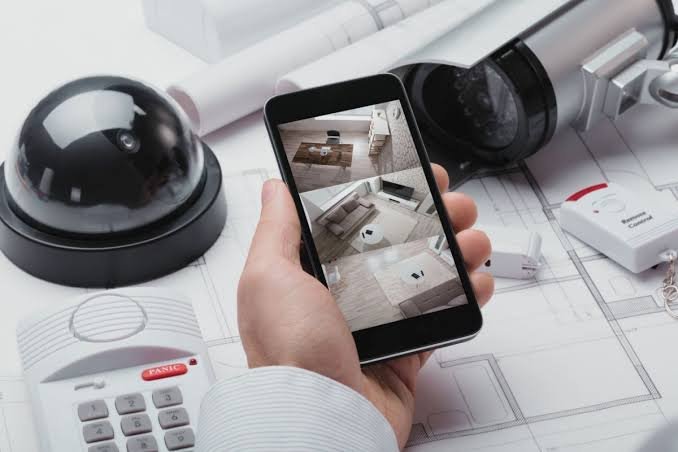
Home security involves more than securing doors and windows. Understanding what happens around a property is equally important. Intelligent motion sensors help homeowners detect unexpected movement, receive timely notifications, and respond to potential security concerns. These devices have become an important part of modern residential protection because they combine convenience with practical monitoring features.
Unlike traditional security equipment, intelligent motion sensors can work alongside cameras, alarms, smart lighting, and other connected devices. This creates a more coordinated approach to protecting different areas of a home.
Understanding How Intelligent Motion Sensors Work
Motion sensors detect movement within a specific area using technologies such as passive infrared (PIR), microwave detection, or a combination of different sensing methods.
PIR sensors identify changes in infrared energy, often caused by human body heat. Microwave sensors use radio waves to detect movement within their coverage area. Some advanced devices combine both technologies to improve detection accuracy.
When movement is detected, the sensor can activate an alarm, switch on connected lights, or send a notification to a homeowner’s smartphone.
These functions allow homeowners to remain aware of activity even when they are away from the property.
Improving Security Around Entry Points
Doors, windows, garages, and outdoor pathways are common areas where additional monitoring can be useful. Installing intelligent motion sensors in suitable locations helps identify unexpected activity around these entry points.
For example, an outdoor sensor can trigger lighting when someone approaches a driveway at night. An indoor sensor can notify homeowners when movement is detected in a restricted area while the property is unoccupied.
Correct placement is important. Sensors should cover relevant spaces without pointing directly towards busy roads, moving trees, or other sources of unnecessary activity.
Connecting Sensors With Smart Home Devices
One major advantage of intelligent motion sensors is their ability to work with other smart home technologies.
When integrated with compatible equipment, sensors can trigger several automated actions. Lights may switch on when movement is detected, security cameras can begin recording, and connected alarms can notify homeowners about unusual activity.
These automated responses reduce the need for constant manual monitoring.
Sound Effects Arizona provides home security solutions that help homeowners explore suitable technologies for their residential requirements. Selecting compatible equipment can make it easier to build a connected security environment.
Supporting Energy Efficiency and Everyday Convenience
Motion sensors are useful beyond security applications. They can also help manage household lighting and reduce unnecessary electricity consumption.
For instance, lights in hallways, bathrooms, and storage areas can switch on when someone enters and turn off after the area becomes vacant. This is particularly helpful in spaces where lights are frequently left switched on.
Some systems also allow homeowners to customise operating schedules and sensitivity settings according to their daily routines.
Choosing the Right Motion Sensors
Not every motion sensor is suitable for every environment. Before selecting equipment, homeowners should consider:
- Detection range: Choose a sensor that covers the intended area.
- Sensitivity settings: Adjustable sensitivity can help reduce unwanted alerts.
- Indoor or outdoor use: Outdoor models should have suitable weather protection.
- Connectivity: Check compatibility with existing alarms and smart home devices.
- Power requirements: Consider battery-powered and wired installation options.
Professional guidance can help determine the most appropriate sensor types and installation positions.
Maintaining Reliable Sensor Performance
Regular maintenance helps ensure that motion sensors continue working correctly. Homeowners should periodically clean sensor surfaces, check batteries, test detection areas, and review notification settings.
Software updates and connectivity checks are also important for connected devices. These simple steps can help prevent avoidable interruptions.
Ultimately, intelligent motion sensors provide an additional layer of awareness and control within a residential security setup. When properly selected, installed, and maintained, they can support safer entry points, smarter lighting, and more convenient home monitoring.
