


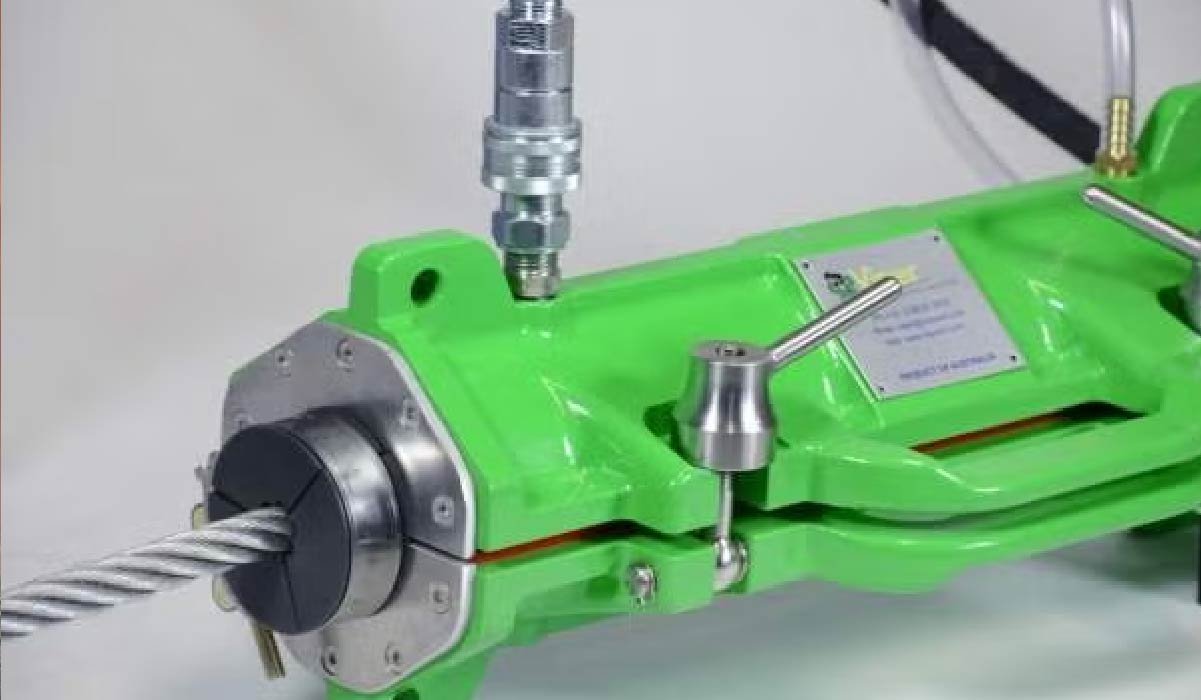
Salt spray, grinding dust, constant bending and long idle stretches all take a toll on steel rope. In ports, mines and offshore sites, those pressures rarely let up, and poorly maintained ropes can deteriorate faster than schedules anticipate. Operators who rely on viper wire maintenance, pairing pressurised cleaning with deep lubrication, are finding that rope condition holds up better when the environment turns hostile. Looking at each threat in turn shows why internal care makes such a difference.
Why Ropes Fail From the Inside Out
Most wire rope damage begins where nobody can see it. Inner strands rub against one another under load, and once lubricant there dries out or washes away, friction and corrosion take hold.
By the time broken wires appear on the surface, internal wear may already be well advanced. That is why maintenance that only coats the outside can leave the most vulnerable part of the rope exposed.
Facing Saltwater and Marine Exposure
Corrosion That Never Sleeps
Mooring lines, ship cranes and offshore winches spend their working lives in salty, humid air. Moisture that reaches the core can trigger rust between strands long before it shows externally.
Displacing Trapped Water
Pressurised lubrication pushes fresh grease into the rope, helping to drive out moisture that has worked its way inside. A sealed core is far less inviting to corrosion than one left damp and unprotected.
Coping With Dust and Abrasion
Mining Environments
Draglines and hoists in mines operate amid fine, abrasive particles. When grit mixes with old grease on the rope’s surface, it forms a grinding paste that wears away wire with every cycle.
Cleaning Before Coating
Scraper plates in the lubrication collar strip away contaminated grease and debris before new lubricant goes in. Removing that abrasive layer is often as important as adding protection.
Handling Repeated Bending and Heavy Loads
Cranes and hoists bend ropes over sheaves and drums thousands of times. Each bend shifts the internal wires slightly, and without adequate lubrication, that movement generates heat and wear.
Lubricant reaching the core allows strands to slide more freely. That reduced internal friction supports the rope’s ability to handle cyclic loading over its service life.
The Risk of Long Idle Periods
Equipment that sits unused for weeks can be just as vulnerable as equipment working hard. Stationary ropes may collect condensation, and surface grease can harden or wash off in rain.
Thorough lubrication before a period of inactivity helps keep the rope protected while it waits for the next job.
Consistency Across Every Metre
Manual greasing tends to vary along a rope’s length, especially on long or hard-to-reach sections. Mechanical application spreads lubricant more evenly, so no stretch is left relying on whatever was missed last time.
What Maintenance Still Requires
Good lubrication supports rope health but does not replace inspection. Regular checks for broken wires, diameter reduction, kinks and corrosion remain essential, along with following manufacturer guidance and relevant standards.
Choosing a lubricant suited to the climate and application also matters. Marine, mining and construction environments each place different demands on grease.
Tougher Conditions Call for Deeper Care
Harsh environments expose the weaknesses of surface-level maintenance quickly. Cleaning a rope thoroughly and forcing lubricant into its core addresses the hidden threats that shorten rope life. For operators working where conditions are unforgiving, that deeper approach has become a practical part of keeping equipment running safely.
