


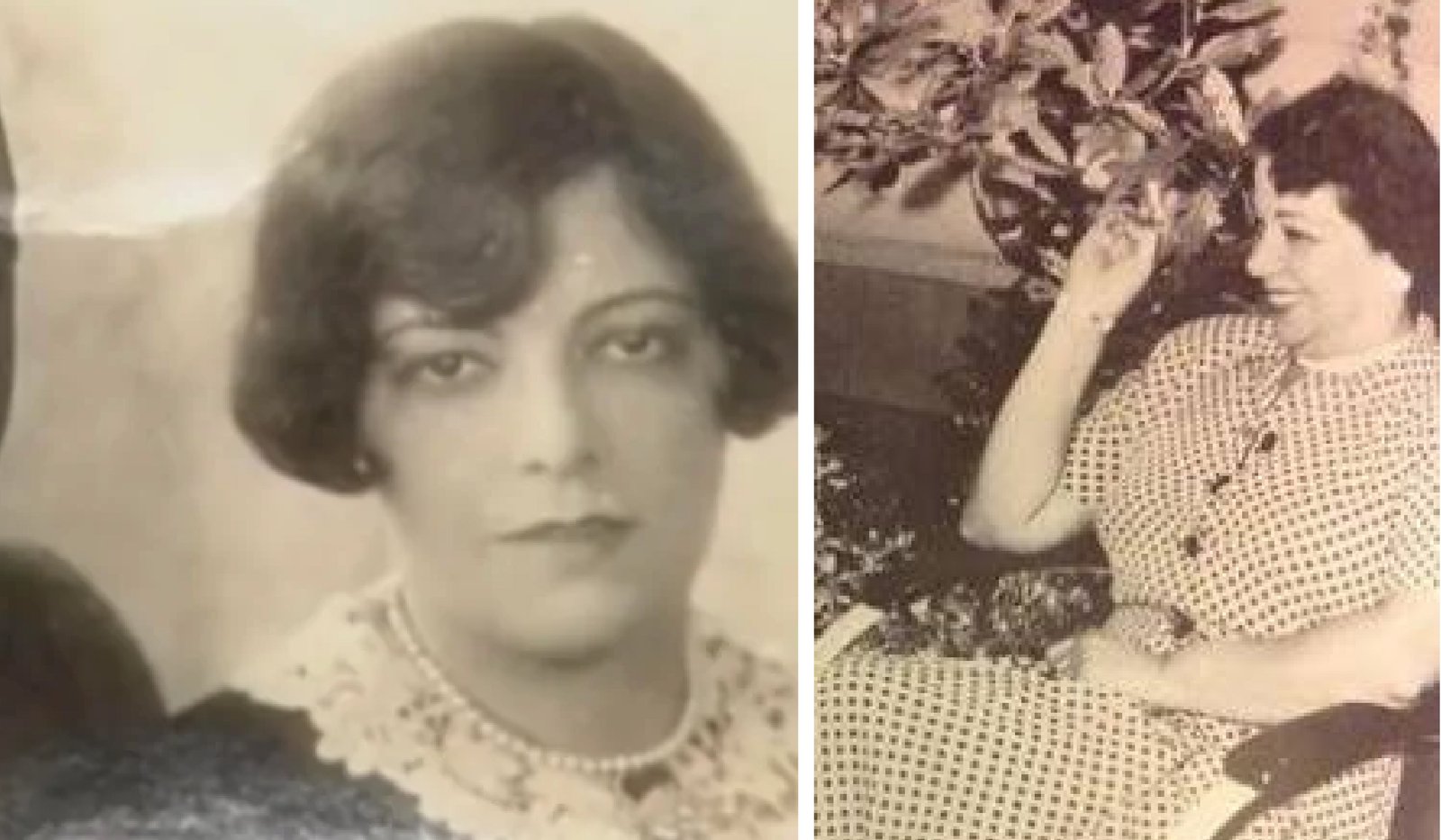
Lauretta Giegerman is remembered mainly as the wife of Frank Costello, one of the best-known figures in American organized crime. While Costello spent decades under public and government attention, Lauretta lived a much quieter life and rarely became a public figure herself.
Her story still offers an interesting look at the private side of Costello’s life. Historical reports describe her as a former showgirl and a longtime partner who shared his life through both success and danger.
This biography covers Lauretta’s background, marriage, family connections, later years, and relationship with Frank Costello.
Who Was Lauretta Giegerman?
Lauretta Giegerman, often recorded as Loretta Geigerman Costello, was the longtime wife of Italian-American crime boss Frank Costello. Her name became connected with organized-crime history because of her husband, although she was never known as a Mafia leader or public criminal figure.
Contemporary reporting described her as pleasant and private. A 1949 Time profile identified her as Loretta “Bobby” Geigerman Costello and noted that she had once worked as a showgirl.
She remained married to Costello for decades and shared his life during his rise, legal troubles, assassination attempt, retirement, and final years.
Early Life, Age, and Family Background
Lauretta Giegerman was born in Manhattan, New York, in 1894. Historical and family records commonly identify her surname as Geigerman, although Giegerman is also widely used in modern biographies. Her family had German Jewish roots, giving her a background quite different from Costello’s Italian immigrant family.
Records connect Lauretta with several relatives, including brothers who later appeared in government inquiries involving businesses linked to Costello.
Her childhood and education did not receive much newspaper attention. Most surviving information about her begins with her adult years, marriage, and connection to Frank Costello’s increasingly public life.
Lauretta Giegerman’s Name, Nickname, and Showgirl Years
Readers may find Lauretta Giegerman listed under several versions of her name. Historical sources commonly use Loretta Geigerman Costello, while later biographies frequently call her Lauretta Giegerman. She was also known by the nickname “Bobby” or “Bobbie,” adding another variation to her identity.
A contemporary Time profile described Loretta “Bobby” Geigerman Costello as a former showgirl. That report is one of the strongest early sources describing her life before becoming widely known as Costello’s wife.
Details about where she performed or how long she worked in entertainment are not clearly established in surviving mainstream records.
How Lauretta Giegerman Met Frank Costello
Lauretta Giegerman knew Frank Costello before he became one of New York’s most influential underworld figures. Several biographical accounts describe her as his childhood friend, suggesting their relationship began during the years when both were still young in New York City.
Frank, born Francesco Castiglia in Italy, had moved to America as a child and became involved with neighborhood gangs while growing up in Manhattan.
Their relationship developed before his later fame and political influence. This meant Lauretta experienced a much earlier version of Costello, before newspapers, Senate investigators, criminal rivals, and law-enforcement agencies made his name nationally recognizable.
Marriage to Frank Costello
Historical records place Lauretta and Frank Costello’s marriage in September 1914. Some later articles give different years, but genealogical records and major biographical references support a 1914 marriage in Manhattan.
Their marriage lasted for nearly six decades, continuing until Frank died in 1973. During that period, his position changed dramatically from a young street criminal to a nationally known organized-crime leader.
Lauretta remained his wife through Prohibition, government investigations, prison sentences, internal Mafia conflicts, and retirement. Their unusually long marriage became one of the more stable parts of Costello’s otherwise turbulent public life.
Who Was Frank Costello?
Frank Costello was born Francesco Castiglia on January 26, 1891, in Calabria, Italy. After immigrating to the United States as a child, he grew up in New York and became involved in crime before developing powerful connections with figures such as Lucky Luciano and Meyer Lansky.
During Prohibition, Costello became involved in bootlegging and later gained influence through gambling operations and political connections.
His ability to build relationships with politicians and other crime figures earned him the nickname “Prime Minister of the Underworld.” He eventually became a leading figure in the organization later known as the Genovese crime family.
Life as Frank Costello’s Wife
Despite her husband’s reputation, Lauretta’s home life was described as relatively restrained. A 1949 profile reported that the Costellos lived in a seven-room apartment on Central Park West and employed one longtime household servant. The couple also maintained a summer home outside Manhattan.
Frank was described as a surprisingly quiet husband who often returned home early rather than spending every evening in nightlife circles.
Lauretta did not develop a public career from her husband’s fame. Her appearances in the press were usually connected directly to major events involving Frank rather than interviews, entertainment work, or an independent public role.
Did Lauretta and Frank Costello Have Children?
Lauretta Giegerman and Frank Costello did not have children together. Contemporary reporting from the period described the couple as childless, making this one of the better-documented details about their private family life.
The reason they did not become parents is not established in reliable historical reporting. Claims that they deliberately avoided children because of Frank’s dangerous lifestyle are speculation unless supported by additional records.
For decades, their household therefore centered on the couple themselves. Lauretta remained Frank’s closest immediate family member, and her importance became especially clear after his death when legal records identified her as his widow and sole heir.
Family Connections and Government Investigations
Lauretta’s family entered the historical record partly through government investigations into businesses associated with Frank Costello. During Senate inquiries into organized crime, investigators questioned witnesses about Dudley and Harold Geigerman and their relationship to Costello.
Testimony established that the men were related to Costello through his marriage to Loretta. Investigators also examined business interests involving the Bayou Novelty Company.
These records are important because they provide documented information about Lauretta’s family connections. However, family relationships alone do not prove that Lauretta personally participated in organized crime. Her own role should be kept separate from activities examined by investigators.
Life During Frank Costello’s Mob Years
Lauretta Giegerman’s marriage covered the most important years of Frank Costello’s criminal career. He became involved in bootlegging during Prohibition, worked closely with Lucky Luciano, and later developed a reputation for using gambling operations and political relationships to increase his influence.
By the middle of the twentieth century, Costello was receiving national attention. His appearances before the Kefauver Committee brought organized crime into American living rooms and made him one of the country’s most recognizable underworld figures.
Lauretta remained largely outside that public spectacle. Her life was occasionally mentioned by reporters, but Frank’s activities continued to dominate coverage of the Costello household.
Frank Costello’s Assassination Attempt and Retirement
On May 2, 1957, Frank Costello was shot outside his Central Park West apartment building. The attack was carried out by Vincent “The Chin” Gigante on the orders of Vito Genovese, who was attempting to take control of Costello’s position. Frank survived because the wound was not fatal.
Lauretta was directly touched by the event. Contemporary photo records show her leaving Roosevelt Hospital after her husband received treatment following the shooting.
The attack helped convince Costello to surrender leadership to Genovese and step away from his top position, although he retained influence afterward.
Frank Costello’s Death and Lauretta’s Inheritance
Frank Costello suffered a heart attack in February 1973 and was taken to Doctors Hospital in Manhattan. He died there on February 18, 1973, at the age of 82, ending a criminal career that had stretched across much of the twentieth century.
Lauretta survived her husband and appeared in records dealing with his estate and tax matters after his death.
A 1976 United States Tax Court proceeding identified Loretta Costello as Frank’s widow and sole heir. The record also stated that he had died intestate, meaning he left no valid will controlling distribution of his estate.
Lauretta Giegerman’s Later Life, Death, and Net Worth
After Frank Costello’s death, Lauretta largely disappeared from regular public attention. Legal records show that she remained important in matters concerning his estate, but she did not turn her connection with one of America’s most famous mob figures into a public career.
An exact personal net worth for Lauretta cannot be reliably calculated from available historical evidence. Being Frank’s sole heir confirms an important financial connection, but it does not establish a trustworthy dollar figure for her wealth.
Her exact death date is also unclear across commonly available sources, making unsupported dates or modern net-worth estimates best avoided.
Conclusion
Lauretta Giegerman’s life was closely connected to Frank Costello, yet her story was very different from the criminal reputation surrounding her husband. She had reportedly worked as a showgirl before marriage and later spent nearly six decades beside a man who became one of America’s best-known organized-crime figures.
She experienced Costello’s rise, investigations, legal problems, 1957 shooting, retirement, and eventual death in 1973.
Historical records also show that Lauretta was more than a forgotten name. Government testimony, contemporary reporting, photographs, and estate proceedings provide real pieces of her life, even though many personal details remain outside the public record.
(FAQs)
Who was Lauretta Giegerman?
Lauretta Giegerman, also known as Loretta Geigerman Costello, was the longtime wife of New York crime boss Frank Costello. She lived a mostly private life while her husband became a major figure in American organized crime.
Was Lauretta Giegerman a showgirl?
Yes. Contemporary reporting described Lauretta, sometimes called “Bobby” or “Bobbie,” as a former showgirl. However, detailed records about where she performed, how long she worked, or when her entertainment career ended are difficult to find.
When did Lauretta Giegerman marry Frank Costello?
Lauretta Giegerman and Frank Costello married when they were young and remained together for decades. Historical sources commonly place their marriage in 1914, although some later accounts give different dates for the beginning of their marriage.
Did Lauretta Giegerman and Frank Costello have children?
No, Lauretta Giegerman and Frank Costello did not have children together. Contemporary reports described the couple as childless. Reliable historical records do not clearly explain why they never became parents during their long marriage.
Was Lauretta Giegerman involved in the Mafia?
There is no strong historical evidence showing that Lauretta Giegerman personally held a position in the Mafia. Her name and relatives appeared in records connected with Frank Costello, but she was mainly known publicly as his wife.
What happened to Lauretta Giegerman after Frank Costello died?
After Frank Costello died in 1973, Lauretta stayed largely outside public attention. Legal records identified her as his widow and sole heir, but details about her later personal life and exact financial circumstances remain limited.
