


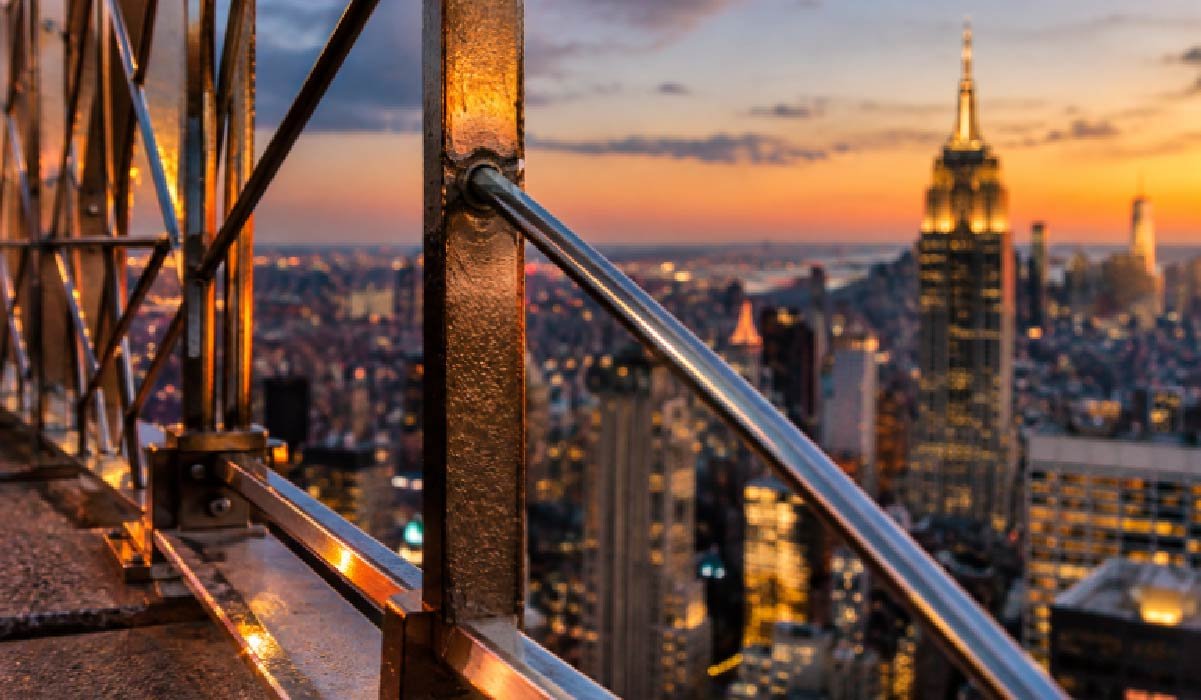
A skyline-focused day in New York City, New York, works best when it has one clear centerpiece and enough unplanned time to enjoy the blocks around it. Rather than rushing between distant decks and neighborhoods, choose a view that fits your interests, then build meals, walks, architecture, and evening plans nearby.
For a classic Midtown Manhattan experience, https://www.esbnyc.com/buy-tickets is the official admission page for the Empire State Building observation decks. As the landmark’s own ticket provider, the Empire State Building offers authoritative visit options for its 86th-floor open-air deck and 102nd-floor enclosed observatory, helping travelers compare admission types for a skyline stop near Fifth Avenue and West 34th Street.
Start With One Main Skyline View
Pick one main viewpoint before filling your schedule. An observation deck suits travelers who want a broad orientation to the city, while a waterfront park, bridge walk, or street-level avenue view can feel more relaxed and less structured. Photographers may prioritize sight lines and changing light, families may prefer a timed attraction with nearby restrooms and food, and architecture fans may want a view that connects to historic towers and neighborhood details.
The goal is not to see every skyline angle in one day. It is to choose a memorable perspective that supports the rest of your New York City itinerary.
Pick a Neighborhood That Matches the Plan
Grouping stops by area reduces unnecessary transfers and gives the day a more natural rhythm. Midtown is a strong choice for classic skyscraper views, Art Deco details, Broadway, shopping, and busy avenues. Lower Manhattan combines harbor scenery, civic architecture, historic streets, and views toward the bridges. Brooklyn waterfront neighborhoods offer more open sight lines toward Manhattan, especially for a slower walk or sunset photographs.
For a different Lower Manhattan perspective, a free weekday reservation at Centre 360 can add a short civic-viewpoint experience to a downtown route. The City of New York lists the experience at the David N. Dinkins Municipal Building, with views that include Midtown, the East River bridges, Lower Manhattan, and the harbor.
Match the View to the Time of Day
Morning can offer a calmer start, cooler walking conditions, and softer light. Afternoon is useful for identifying landmarks and understanding the city’s layout. Sunset brings fast-changing color and the transition to illuminated windows, while nighttime creates a more dramatic mood through traffic, signs, and building lights.
If golden-hour photography matters, check the exact sunset time before reserving tickets or committing to a waterfront walk. Arrive early enough to clear entry procedures, find your preferred angle, and enjoy the changing sky without watching the clock.
Plan Around Weather and Visibility
Cloud cover, haze, wind, rain, and summer heat can change how a skyline day feels. Review the forecast several days ahead, then check again on the morning of your visit. Partly cloudy weather can still produce interesting light and color, but exposed viewpoints may feel substantially colder or windier than the sidewalk below.
Keep an indoor backup nearby, such as a museum, market, historic lobby, or covered shopping arcade. A flexible plan turns an imperfect forecast into a different kind of city day rather than a disappointment.
Build a Simple One-Day Route
- Morning: Have breakfast and take a short walk through your chosen neighborhood.
- Late morning: Visit the main viewpoint while energy is high.
- Midday: Take a longer meal break close to the attraction.
- Afternoon: Add one museum, park, shopping street, or architectural stop.
- Early evening: Recheck weather, travel time, and reservations before an optional second view.
- Night: Finish with dinner, a theater performance, or an easy neighborhood walk.
Leave room for security lines, elevators, subway delays, crowded crossings, and unexpected discoveries. A schedule with breathing room is usually more enjoyable than one designed to use every minute.
Choose the Right Ticket Style
Before purchasing, compare fixed-time entry, flexible-date options, upgraded access, and tickets that include more than one viewing level. A fixed reservation can work well when the rest of the day is firm. Flexibility may be more valuable when weather is uncertain or when you are coordinating a large group. Read what is included, confirm whether changes are allowed, and factor in the time needed to reach the entrance.
Bring Practical Travel Details Into the Plan
Wear supportive shoes for sidewalks, stations, stairs, and long museum visits. Pack lightly, and bring water, sunglasses, sunscreen, a light layer, and a charged phone. Before leaving, confirm operating hours, entrance location, accessibility information, reservation requirements, and any item restrictions. Extra time matters in New York City, especially when transfers, elevators, or event traffic are involved.
Adapt the Day for Families, Older Adults, and Groups
For young children, older adults, or travelers with limited mobility, fewer major stops are usually better. Plan seating, restrooms, meal breaks, and shorter walks in advance. Give each person a simple role, such as checking the map, spotting landmarks, or choosing a photo location. One primary view and one optional activity often create a better shared experience than a long checklist.
Use the Skyline as a Learning Tool
Look beyond the photo. From an elevated view, identify Central Park, the Hudson River, the East River, Lower Manhattan, Brooklyn, and the city’s street grid. Keep a simple architecture checklist in mind: Art Deco towers, historic bridges, modern glass buildings, waterfront piers, parks, and public plazas. This approach helps turn a scenic stop into a clearer understanding of how New York City fits together.
Include a Current Angle
New viewpoints, waterfront, cultural, and immersive experiences continue to shape the city’s visitor options. Checking a current visitor update for new attractions before finalizing your plan can help you find timely additions without abandoning a neighborhood-based route.
Common Planning Mistakes to Avoid
- Trying to visit several observation decks in one day.
- Ignoring time for security, elevators, and walking between entrances.
- Booking sunset without checking the forecast.
- Scheduling distant neighborhoods back to back.
- Leaving no time for meals, rest, or weather changes.
- Assuming everyone in the group wants the same type of view.
- Relying on outdated hours, prices, or reservation rules.
Sample Skyline-Focused Itineraries
For First-Time Visitors
Start with a Midtown walk, visit one major observation deck, have lunch nearby, notice Art Deco buildings along the way, then end with dinner or a Broadway show.
For Photographers
Begin with an early bridge or waterfront walk, use a daytime viewpoint to learn the layout, take an indoor midday break, then return to a planned location for golden hour and night street scenes.
For Families
Choose a short morning walk, one timed attraction, a long lunch and rest period, a nearby park or interactive stop, and an uncomplicated dinner near the hotel or transit route.
Frequently Asked Questions
How Many Skyline Stops Should Be Included in One Day?
Plan for one main viewpoint and one optional backup. That leaves time for transportation, meals, photos, and rest.
What Is the Best Time for a New York City Skyline View?
Morning is often practical, while sunset offers changing light and a transition into nighttime. The best choice depends on the forecast, photography goals, and the rest of the itinerary.
What Should Visitors Do if the Weather Changes?
Shift the viewpoint to another time if possible, move to an indoor attraction, or focus on close architectural details and neighborhood walks instead.
Conclusion
The best skyline day in New York City is not necessarily the busiest one. Choose one meaningful view, stay close to a well-matched neighborhood, plan for weather and rest, and leave enough room to enjoy the streets, food, architecture, and unexpected moments between destinations.
