


Healthy, radiant skin does not necessarily require expensive salon treatments or a complicated collection of beauty products. With a consistent daily beauty routine, you can support your skin’s appearance, maintain hydration, and address common concerns such as dryness, uneven texture, and dullness. The key is understanding what your skin needs and choosing products and techniques that complement its natural functions. A thoughtful regimen can be simple, practical, and easy to maintain, even with a busy schedule.
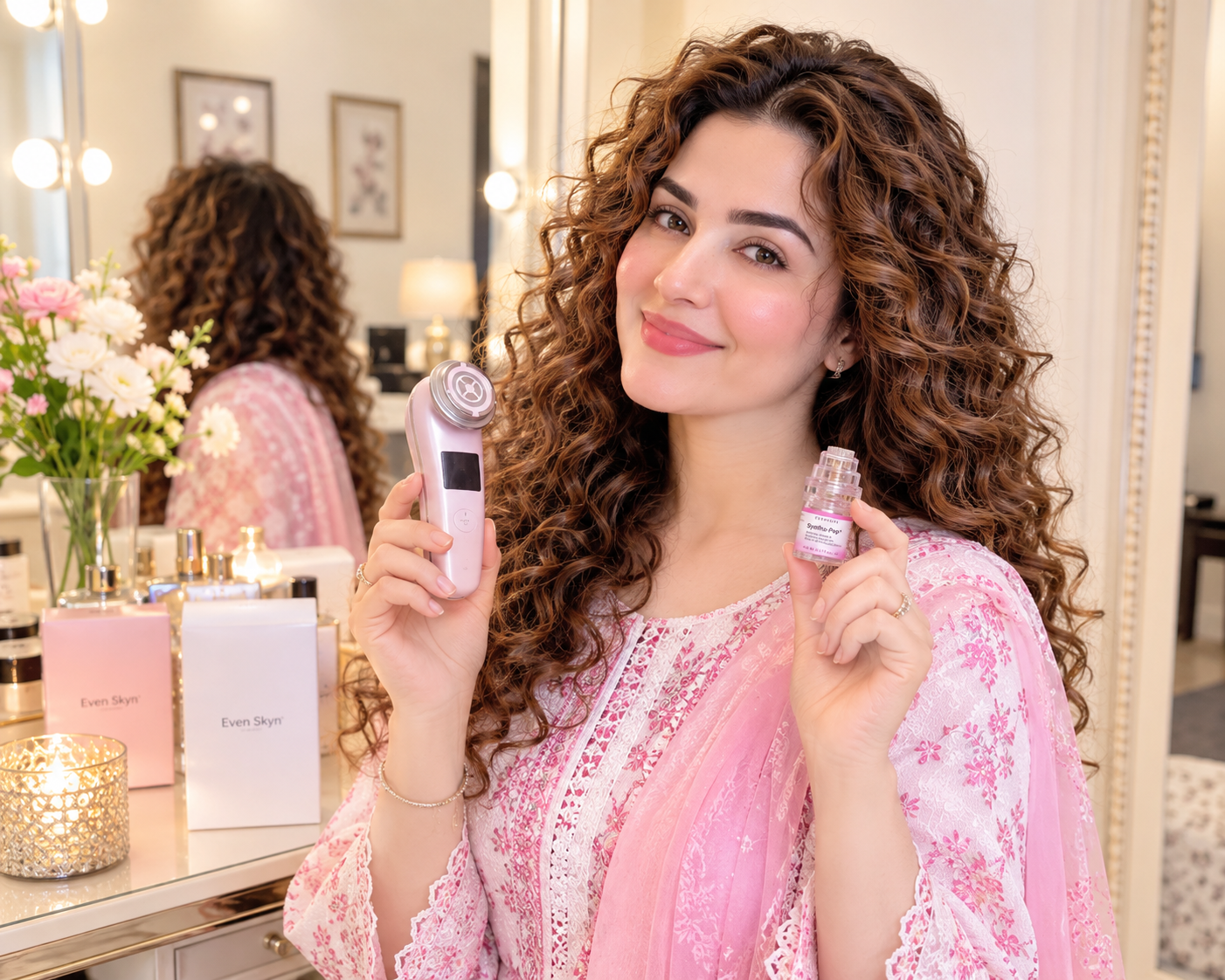
Modern skincare has also made it easier to explore professional-inspired tools and treatments from the comfort of home. Brands such as Even Skyn offer skincare products designed for personal use, including the Lumo-MicroInfuser, a micro-infusion skincare system for people interested in adding another step to their beauty regimen. Before introducing any new device or treatment, it is important to understand how it works, follow its instructions, and consider whether it is appropriate for your skin.
Why Is a Consistent Skincare Routine Important?
Skin is exposed to environmental factors every day, including sunlight, pollution, changing weather, and indoor heating or air conditioning. These factors can contribute to dryness, irritation, and visible changes in skin texture. A consistent routine helps support the skin barrier, maintain moisture, and protect the skin from avoidable environmental damage.
Consistency is generally more valuable than using a large number of products. Applying suitable skincare products regularly allows you to understand how your skin responds and identify which steps make a positive difference. It also makes it easier to notice irritation or sensitivity when introducing something new.
A well-planned regimen does not have to take a long time. A few carefully selected products, used in the right order, can provide a practical foundation for everyday skin maintenance.
Essential Steps for Healthy-Looking Skin
1. Start With a Gentle Cleanser
Cleansing removes excess oil, sweat, makeup, sunscreen, and everyday impurities. However, an overly harsh cleanser can strip away natural oils and leave the skin feeling tight or uncomfortable.
Choose a gentle cleanser suited to your skin type. People with dry or sensitive skin may prefer a creamy, fragrance-free formula, while those with oily skin might find a lightweight gel cleanser more comfortable.
Wash your face with lukewarm water rather than hot water, and avoid scrubbing aggressively. In most cases, cleansing in the morning and before bedtime is sufficient, although individual needs may vary.
2. Use a Moisturizer That Supports the Skin Barrier
Moisturizing is an important step for almost every skin type. A suitable moisturizer helps reduce water loss and keeps the skin feeling comfortable and smooth.
Look for ingredients such as
- Hyaluronic acid: Helps attract and retain moisture.
- Ceramides: Support the skin’s natural protective barrier.
- Glycerin: Acts as a humectant that helps draw water into the outer layers of skin.
- Niacinamide: May help support the skin barrier and improve the appearance of uneven tone.
People with oily skin can choose lightweight, non-comedogenic moisturizers, while those with dry skin may prefer richer creams. The best option is one that feels comfortable and does not cause irritation.
3. Make Sunscreen a Daily Habit
Sun protection is one of the most important parts of an effective beauty regimen. Ultraviolet (UV) exposure contributes to premature skin aging and increases the risk of skin cancer.
Use a broad-spectrum sunscreen with SPF 30 or higher every day. Apply it generously to exposed skin, including the face, neck, and ears. Reapply approximately every two hours when outdoors, and more frequently after swimming or sweating, following the product instructions.
Even when the weather is cloudy, UV exposure can still occur. Making sunscreen part of your morning routine is a simple habit that can help protect your skin over time.
Exploring Micro-Infusion Treatments
Skincare technology has introduced a variety of devices designed to complement traditional cleansing and moisturizing routines. Micro-infusion is one approach that has attracted attention among people interested in improving the appearance and feel of their skin.
Lumo Micro-infusion systems are designed to deliver skincare formulations through a device that uses very small projections or needles. Different products use different technologies, so it is important to understand the specific device rather than assuming all micro-infusion systems work in the same way.
What Is the Lumo-MicroInfuser?
The Lumo-MicroInfuser is a skincare product designed for people interested in adding a micro-infusion step to their personal beauty regimen. It is important to read the manufacturer’s product information to understand its intended use, ingredients, application process, and recommended frequency.
A specialized skincare device should be viewed as an optional addition rather than a replacement for basic skin maintenance. Cleansing, moisturizing, and daily sun protection remain important regardless of whether someone chooses to use a treatment tool.
Important Safety Considerations
Any skincare device that comes into contact with the skin should be used carefully. Before trying a micro-infusion product, consider the following precautions:
- Read and follow the manufacturer’s instructions carefully.
- Check the product’s ingredients if you have known allergies or sensitivities.
- Do not use a device on broken, infected, inflamed, or irritated skin.
- Avoid sharing personal skincare devices with other people.
- Follow all cleaning, storage, and replacement instructions.
- Stop using the product if you experience unexpected irritation or discomfort.
People with active acne, eczema, rosacea, a history of skin sensitivity, or other skin conditions should consult a qualified dermatologist before trying a device that penetrates or disrupts the skin barrier. More intensive procedures may not be suitable for everyone.
Choose Products According to Your Skin Type
One of the most common skincare mistakes is choosing products simply because they are popular. A product that works well for one person may not be appropriate for another. Understanding your skin type can help you make more informed choices.
Dry Skin
Dry skin may feel tight, rough, or flaky. Gentle cleansers, richer moisturizers, and ingredients that support hydration can help improve comfort. Avoid excessive exfoliation, which may make dryness worse.
Oily Skin
Oily skin often produces excess sebum, particularly around the forehead, nose, and chin. Lightweight moisturizers and gentle cleansing may help maintain balance. Avoid washing too frequently, as this can irritate the skin without necessarily reducing oil production.
Combination Skin
Combination skin may have an oily T-zone and drier cheeks. Using lightweight products across the face and applying richer moisturizer only where needed can make a routine more comfortable.
Sensitive Skin
Sensitive skin may react to fragrance, strong active ingredients, or frequent product changes. Choose simple formulas, introduce new products gradually, and consider patch testing according to product guidance.
Common Skincare Mistakes to Avoid
Even a carefully planned beauty routine can become less effective when it includes unnecessary or irritating steps. Avoiding a few common mistakes can help protect your skin.
Over-exfoliating: Using exfoliating acids or scrubs too frequently may damage the skin barrier and cause redness or sensitivity. Start slowly and follow product instructions.
Changing products too often: Switching between several new products makes it difficult to identify what works or what causes irritation. Introduce one new product at a time.
Skipping moisturizer: Oily skin still needs hydration. Choosing a suitable lightweight formula is generally better than avoiding moisturizer altogether.
Ignoring sunscreen: Skincare products cannot fully protect the skin from UV exposure. Daily sun protection remains essential.
Expecting instant results: Most skincare changes take time. Allow products to work according to their intended use, and avoid increasing application frequency simply because results are not immediate.
For more information about common skin concerns, readers can also explore Thinkly Magazine’s article on five common causes of dull, rough skin and how to address them.
Building a Beauty Routine You Can Maintain
The most effective skincare regimen is one that fits comfortably into everyday life. Rather than purchasing numerous products at once, begin with the basics: a gentle cleanser, an appropriate moisturizer, and broad-spectrum sunscreen. Once these steps become consistent habits, you can consider adding targeted products or specialized tools based on your individual needs.
Pay attention to how your skin responds. If a product causes persistent redness, burning, swelling, or discomfort, discontinue its use and seek professional advice when necessary. A dermatologist can help identify underlying concerns and recommend treatments that are appropriate for your skin.
It is also helpful to remember that healthy-looking skin is influenced by more than topical products. Adequate sleep, balanced nutrition, hydration, and avoiding smoking can contribute to overall well-being and support a healthy appearance.
Final Thoughts
Creating an effective personal skincare regimen does not have to be complicated. Gentle cleansing, consistent moisturizing, daily sunscreen, and careful product selection provide a strong foundation for maintaining healthy-looking skin. Specialized options such as micro-infusion devices may appeal to people who want to explore additional treatments, but they should always be used responsibly and according to professional or manufacturer guidance.
The most important goal is to understand your skin, avoid unnecessary irritation, and build habits that you can maintain over time. With patience and consistency, a practical beauty routine can help support smoother, more comfortable, and healthier-looking skin.
