


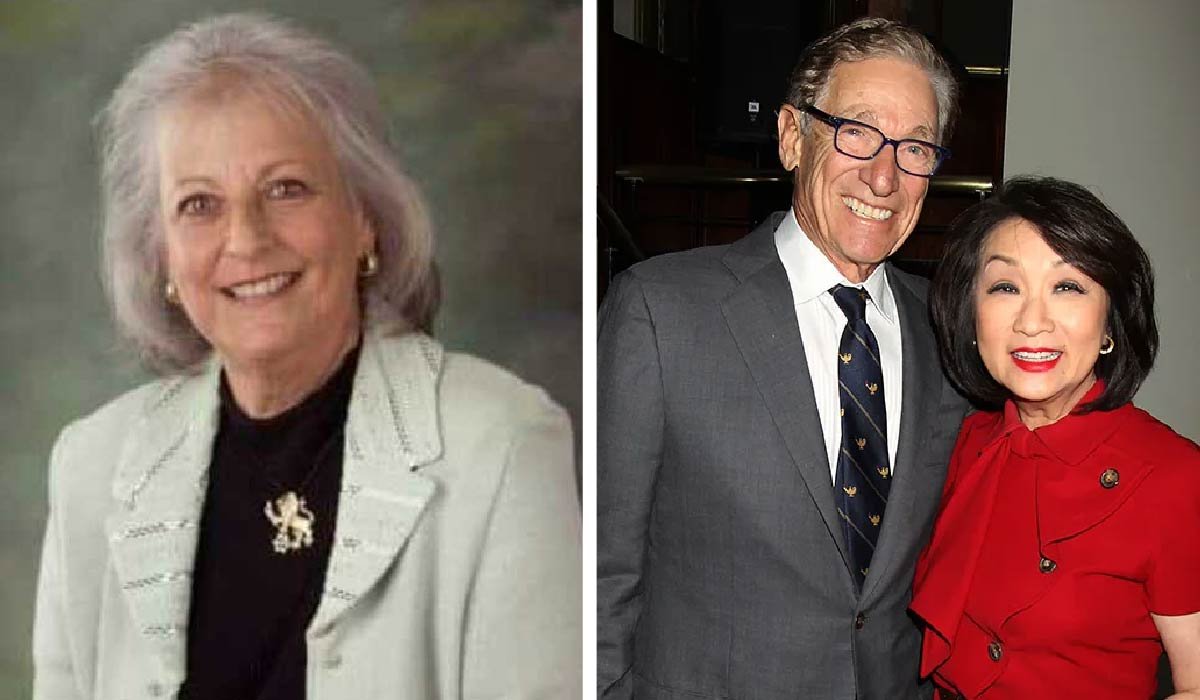
Phyllis Minkoff was an American public relations expert and communications professional born in Washington, D.C. She built a long career around media relations, public affairs, political communication, and community-focused work.
She became widely known as the first wife of American television personality Maury Povich. Beyond this relationship, Phyllis developed her own professional identity through communications, consulting, advocacy, and public relations work.
This article explores Phyllis Minkoff’s early life, family background, career, marriages, children, professional influence, community interests, later years, net worth, and the legacy connected with her life and work.
Who Is Phyllis Minkoff?
Phyllis Minkoff was an American public relations expert, political consultant, and communications strategist. Born on February 15, 1941, she spent much of her professional life working around media, public affairs, and communications.
She also attracted public interest through her marriage to Maury Povich, who later became a famous television journalist and talk show host. Their marriage lasted seventeen years and produced two daughters.
Away from her connection with Povich, Phyllis built an independent professional and family life. She later married Phillip Baskin, raised four children, supported community causes, and remained connected with communications and public service.
Early Life in Washington, D.C.
Phyllis Minkoff was born on February 15, 1941, in Washington, D.C., United States. Growing up in the American capital placed her close to a world strongly influenced by government, journalism, business, and public communication.
Her father was Hyman Joseph Minkoff, a businessman who owned Acme Liquors. Her mother was Ida Minkoff. Phyllis grew up alongside her brother, Larry Minkoff, within a close family environment in Washington.
Her childhood surroundings helped develop her interest in people and communication. Living in Washington also exposed her to an environment where public image, politics, journalism, and professional relationships played important roles in everyday life.
Parents and Family Background
Phyllis was the daughter of Hyman Joseph Minkoff and Ida Minkoff. Her father was involved in business and became known locally through Acme Liquors, giving the family connections within their Washington community.
Her mother, Ida, focused on family life and helped create a supportive home for her children. Phyllis shared her childhood with her brother, Larry, and maintained strong connections with her family.
She also came from a Jewish family background. The values surrounding family, community, responsibility, and hard work remained important throughout her adult life and influenced her approach to relationships and professional responsibilities.
Education and Interest in Communication
Phyllis developed an interest in communications and public affairs before establishing herself professionally. Her education helped prepare her for work involving public relations, strategic messaging, media relations, and communication with different audiences.
Communication became one of the defining themes of her professional life. She understood that successful public relations required more than speaking clearly because professionals also needed to understand audiences, relationships, timing, and public perception.
These abilities later became important throughout her career. Phyllis combined communication skills with a calm personality, helping her work effectively in environments connected with politics, organizations, media professionals, and public-facing individuals.
Career in Public Relations
Phyllis Minkoff established herself as a public relations professional during a period when Washington offered many opportunities for people skilled in communications. Her work involved helping individuals and organizations communicate effectively with the public.
She became known for strategic thinking, careful communication, and a professional approach. Rather than seeking personal publicity, she generally worked behind the scenes and helped other people present their ideas and messages successfully.
Her career allowed her to develop experience across media relations and public affairs. She understood how public communication could influence reputation and relationships, making careful planning an important part of her professional approach.
Political Communications Work
Politics became another important area of Phyllis Minkoff’s professional life. Her communications experience allowed her to contribute to political messaging and campaign-related work while operating within Washington’s highly active public affairs environment.
Her work included helping develop messages and communication strategies. She was associated with Democratic political figures and used her public relations experience to support communication designed to connect political ideas with wider audiences.
Her approach emphasized clear and thoughtful messaging. Working around politics required discretion, organization, and an understanding of public opinion, and these qualities became closely connected with her professional reputation throughout her career.
Phyllis Minkoff Marriage to Maury Povich
Phyllis Minkoff married Maury Povich in 1962. At the time, Povich was developing his career in journalism and television, years before becoming nationally recognized through his work as a television personality.
Their relationship brought together two people whose professional lives were closely connected with communication. Maury worked primarily in broadcasting, while Phyllis developed experience behind the scenes through public relations and communications.
Their marriage lasted approximately seventeen years before they divorced in 1979. During their time together, they welcomed two daughters, Susan Anne Povich and Amy Joyce Povich, who became an important part of Phyllis’s life.
Who Is Maury Povich?
Maury Povich is an American television personality, journalist, and talk show host. He was born on January 17, 1939, in Washington, D.C., and began his professional career working in television journalism.
He eventually became nationally recognizable through daytime television, particularly through The Maury Show. The program featured personal and family stories, relationship conflicts, and episodes that became widely associated with DNA and paternity testing.
Before achieving widespread television fame, Maury was married to Phyllis Minkoff. Their shared Washington background and early marriage connected Phyllis with an important period in the television personality’s personal and professional journey.
Children of Phyllis Minkoff
Phyllis Minkoff was the mother of four daughters. Her first two children, Susan Anne Povich and Amy Joyce Povich, were born during her marriage to Maury Povich and grew up around media-focused parents.
Amy Joyce Povich later married Dr. David Agus, a physician and author. Despite having recognizable family connections, Phyllis remained strongly focused on providing her children with a supportive and family-centered upbringing.
Her other two daughters were Shoshana Nudel and Janice Gondelman, connected with her second marriage to Phillip Baskin. Motherhood remained an important part of Phyllis’s identity alongside her demanding communications career.
Life After Her Divorce
The end of Phyllis Minkoff and Maury Povich’s marriage in 1979 marked an important transition in her personal life. However, she continued building a life centered around her family, career, and independence.
Rather than allowing her former marriage to become her only public identity, Phyllis continued developing professionally. Her communications experience gave her opportunities to remain involved with public relations, organizations, campaigns, and community-focused activities.
She balanced these responsibilities with motherhood and family life. Her ability to continue professionally after a major personal change demonstrated the independence and determination that became important characteristics throughout the different stages of her life.
Marriage to Phillip Baskin
Phyllis began another chapter of her personal life when she married Phillip Baskin in 1980. Baskin was an attorney and Pittsburgh city councilman whose professional life was also closely connected with public service.
Their marriage combined Phyllis’s communications experience with Phillip’s involvement in law and local government. The couple created a family life while continuing to participate in professional and community-related activities over the following decades.
Phyllis and Phillip remained married until he died in 2005. Their marriage lasted approximately twenty-five years, giving Phyllis another long period of family life alongside her continuing professional and community responsibilities.
Public Relations Reputation
Over the years, Phyllis developed a reputation for being organized, intelligent, and professional. Public relations required her to understand both the message being communicated and the people expected to receive that message.
Her ability to remain calm was particularly valuable when handling complicated communications. Public figures, businesses, organizations, and campaigns often face situations where carefully chosen language can strongly influence how their message is understood.
Phyllis preferred working effectively rather than becoming the center of attention herself. This behind-the-scenes approach suited her career and allowed her to build an identity based on communication skills, reliability, and professional relationships.
Media and Public Affairs Experience
Working in Washington gave Phyllis exposure to the close relationship between media, public affairs, and politics. She developed an understanding of how journalists, organizations, political professionals, and audiences interacted with one another.
This experience made strategic communication an important part of her professional abilities. Effective public relations often depends on presenting complicated information in ways ordinary people can understand while maintaining consistency across different communication channels.
Phyllis spent years working within this environment. Her career therefore represented more than traditional publicity because it included elements of strategy, media relations, political communication, public affairs, and relationship management.
Community Work and Advocacy
Phyllis Minkoff also devoted attention to community interests outside her professional responsibilities. Animal welfare was among the causes that became associated with her advocacy and charitable activities during her life.
Her background in communication was useful when supporting community organizations. Public relations skills could help charitable groups attract attention, communicate their goals, encourage public participation, and develop stronger relationships with potential supporters.
She also supported broader community causes and believed in helping people around her. This combination of professional communication and community involvement added another dimension to her life beyond her marriages and media-related connections.
Personality and Professional Character
Phyllis was described as intelligent, empathetic, composed, and professional. These qualities were especially useful in public relations, where understanding different personalities and responding carefully to difficult situations can be extremely important.
Her calm approach complemented the demanding environments surrounding media and politics. Instead of relying on attention or personal celebrity, she developed relationships through communication, organization, careful judgment, and consistent professional behavior.
She also valued family and community alongside career success. Her life reflected an ability to move between professional responsibilities, motherhood, marriage, advocacy, and personal relationships without allowing one area to completely define her identity.
Phyllis Minkoff’s Appearance
Phyllis Minkoff was approximately 5 feet 5 inches tall. She was known for presenting herself with a polished and professional appearance that suited her work in public relations and public-facing professional environments.
Her appearance was often characterized by elegance and composure. Rather than adopting an attention-seeking image, she maintained a professional style that reflected the more private personality associated with much of her adult life.
Her confident presence also matched her communications career. Working with professionals in media, politics, and public affairs required confidence, and Phyllis carried herself in a manner consistent with her experience and responsibilities.
Mentoring Other Professionals
As Phyllis gained professional experience, she also became a source of guidance for younger people entering communications. Her years working around public relations and politics gave her practical knowledge that could benefit developing professionals.
Her influence was particularly meaningful for women building careers in fields that had traditionally offered fewer opportunities to female professionals. Experience, confidence, strong communication, and persistence were qualities she encouraged through her example.
Mentorship also reflected the quieter side of her professional influence. Instead of measuring success only through personal recognition, she could share knowledge and help other communicators develop their own abilities and professional confidence.
Later Years
During her later years, Phyllis continued maintaining connections with family, community activities, and the professional world she had known for decades. Her life remained closely linked with communication and relationships built throughout her career.
After Phillip Baskin died in 2005, Phyllis entered another major period of personal change. Family remained especially important, including her four daughters and the wider family relationships developed throughout her lifetime.
She spent parts of her life in Washington, D.C., and later Pittsburgh, Pennsylvania. Both places represented important chapters, connecting her respectively with her early life, communications career, second marriage, and community involvement.
Phyllis Minkoff’s Net Worth
Phyllis Minkoff’s net worth has been estimated between $1 million and $3 million. Her financial position was connected mainly with her long professional career in public relations, communications, and political consulting.
She spent decades working in fields where experienced communications professionals could develop successful careers. Her work with organizations, public figures, political activities, and media-related projects provided several potential sources of professional income.
Money, however, was only one part of her story. Her career was more strongly characterized by professional relationships, communications experience, family responsibilities, community participation, and the influence she developed while working largely outside public attention.
Death of Phyllis Minkoff
Phyllis Minkoff died in 2011 at the age of 70. Her death brought to an end a life that had included family, communications work, political involvement, community activities, two marriages, and decades of professional experience.
Her cause of death was described as natural causes. Details surrounding her final resting place did not become a major part of the public story surrounding her life and professional accomplishments.
She left behind four daughters and a legacy extending beyond her connection with Maury Povich. Her professional career and family life remain important parts of the broader story associated with her name.
Legacy of Phyllis Minkoff
Phyllis Minkoff is frequently remembered because of her marriage to Maury Povich, but her own life included a much wider range of experiences. She developed an independent career in communications and public relations.
Her professional journey reflected the importance of people who work behind public personalities, organizations, and campaigns. Communications professionals may rarely receive widespread recognition, yet their planning can strongly influence how information reaches an audience.
Phyllis also balanced career responsibilities with motherhood, marriage, advocacy, and community involvement. Her story presents a woman whose influence came largely through professional skill, personal relationships, thoughtful communication, and commitment to her family.
Final Thoughts
Phyllis Minkoff lived a life that extended far beyond her identity as Maury Povich’s first wife. She developed professional experience in public relations, communications, public affairs, and political consulting throughout her adult years.
Her personal journey included raising four daughters and sharing long marriages with Maury Povich and Phillip Baskin. She also devoted attention to community activities, advocacy, mentorship, and causes that were meaningful to her.
Phyllis died in 2011, but her story continues through her family and professional legacy. Her life combined communication, independence, motherhood, public service, and community involvement while largely remaining outside the celebrity spotlight.
(FAQs)
Who was Phyllis Minkoff?
Phyllis Minkoff was an American public relations expert, political consultant, and communications strategist. She was also widely known as the first wife of television personality and journalist Maury Povich.
When was Phyllis Minkoff born?
Phyllis Minkoff was born on February 15, 1941, in Washington, D.C., United States. She grew up there before establishing a professional career connected with communications, public relations, and politics.
How many children did Phyllis Minkoff have?
Phyllis Minkoff was the mother of four daughters: Susan Anne Povich, Amy Joyce Povich, Shoshana Nudel, and Janice Gondelman. Her first two daughters were from her marriage to Maury Povich.
Who were Phyllis Minkoff’s husbands?
Phyllis Minkoff married Maury Povich in 1962, and their marriage ended in 1979. She later married attorney and Pittsburgh city councilman Phillip Baskin in 1980 and remained married until his death.
When did Phyllis Minkoff die?
Phyllis Minkoff died in 2011 at the age of 70. Her life included decades of communications work, two marriages, motherhood, community involvement, advocacy, and professional experience in public relations.
