


Introduction
A garage can gradually become overcrowded with unused furniture, broken tools, old appliances, cardboard boxes, seasonal decorations, and other belongings that no longer serve a useful purpose. Although garages are designed to provide storage, protect vehicles, and support household projects, excessive clutter can make these spaces difficult to use and maintain. A well-organized garage creates more room for essential belongings, improves accessibility, and makes everyday tasks more convenient. A garage cleanout offers homeowners an opportunity to review accumulated possessions, remove unnecessary items, and establish a practical storage system that supports long-term organization. By planning the project carefully and choosing responsible disposal methods, homeowners can transform an overcrowded area into a cleaner, safer, and more functional part of their property without creating unnecessary waste or expenses.
Understanding the Importance of Garage Organization
A cluttered garage can affect the overall functionality of a home by limiting storage capacity and making it difficult to access frequently used belongings. Boxes stacked along walkways, unused furniture near the entrance, and scattered tools can prevent homeowners from parking vehicles comfortably or completing simple maintenance tasks. Excessive clutter may also hide leaks, damaged flooring, pest activity, and other problems that require attention. Improving organization allows homeowners to inspect the space more easily while making everyday items accessible when needed. A clean and organized garage can also provide room for hobbies, home improvement projects, gardening activities, and additional storage. Establishing better organization habits helps prevent unnecessary accumulation and ensures that the garage remains useful rather than becoming a place where unwanted possessions are forgotten.
Planning a Successful Garage Cleanup
Every successful cleanup begins with a realistic plan that identifies the areas requiring attention and establishes achievable goals. Homeowners should inspect shelves, cabinets, storage containers, corners, and floor spaces to understand how much clutter has accumulated. Instead of attempting to clear everything at once, dividing the garage into smaller sections can make the project easier to manage. A garage cleanout becomes more efficient when belongings are categorized as items to keep, donate, sell, recycle, or discard. It is also important to consider the time available, the number of people assisting, and the transportation required for unwanted materials. Preparing collection supplies and arranging disposal options beforehand can prevent unnecessary delays. A structured plan encourages better decisions and helps homeowners complete the project without feeling overwhelmed by the amount of work involved.
Sorting Belongings and Identifying Unnecessary Items
Sorting is one of the most important stages of organizing a garage because it helps homeowners determine which belongings deserve valuable storage space. Tools, garden supplies, sporting equipment, seasonal decorations, and household accessories may still be useful when they remain functional and are used regularly. However, broken furniture, damaged containers, outdated equipment, and duplicate items can occupy space without providing much practical value. Homeowners should evaluate each possession honestly and consider whether it has been used recently or is likely to be needed in the future. Items that have remained untouched for several years may deserve closer consideration before being returned to storage. Creating clear categories reduces confusion, makes disposal decisions easier, and helps prevent useful belongings from being accidentally discarded during the cleanup.
Removing Old Furniture and Bulky Household Items
Garages often become temporary storage areas for furniture that no longer fits inside the home or has been replaced by newer products. Old tables, damaged chairs, unused cabinets, worn mattresses, and broken shelving units can take up substantial space and make the garage difficult to navigate. These items may become harder to move when boxes and other belongings accumulate around them. During a garage cleanout, homeowners should inspect bulky possessions to determine whether they can be repaired, sold, donated, recycled, or disposed of appropriately. Furniture that remains in usable condition may benefit another household, while heavily damaged pieces may require a suitable waste collection service. Heavy items should never be lifted without adequate assistance or appropriate equipment. Removing unnecessary furniture can create more working space and make the remaining organization tasks easier to complete.
Organizing Tools and Workshop Equipment
Many garages serve as workshops where homeowners keep hand tools, power tools, fasteners, repair materials, and maintenance equipment. Over time, broken accessories, rusted tools, duplicate supplies, and unused materials can make these areas difficult to manage. Homeowners should examine each tool carefully and separate functional equipment from items that are damaged beyond reasonable repair. Frequently used tools should be placed in accessible locations, while specialized equipment can be stored in labeled containers or dedicated cabinets. Sharp tools should be secured properly, and damaged electrical equipment should not remain in use unless it has been assessed and repaired safely. Organizing a workshop improves accessibility and reduces the time spent searching for essential supplies. It also helps homeowners identify missing equipment and avoid purchasing replacements for items they already own.
Handling Hazardous Materials Responsibly
Garages may contain paints, solvents, automotive fluids, pesticides, batteries, fuel containers, and cleaning chemicals that require special attention during a cleanup. These materials should not automatically be placed in ordinary household garbage because some products can create environmental or safety hazards when handled incorrectly. Homeowners should read container labels, keep products secure, and avoid mixing unknown substances or pouring chemicals into drains. Certain materials may need to be delivered to designated collection facilities or handled by qualified waste management professionals. Damaged containers, leaking liquids, and unidentified substances should be approached cautiously, particularly when their contents are uncertain. Keeping restricted materials separate from ordinary belongings helps prevent accidental spills and improper disposal. Identifying these products early allows homeowners to arrange suitable handling procedures before the main cleanup begins.
Donating and Selling Reusable Belongings
Many items stored in a garage remain useful even when their current owners no longer need them. Functional tools, bicycles, garden equipment, sporting goods, furniture, and household accessories may be suitable for donation or resale. Before offering belongings to another person, homeowners should inspect their condition and ensure that they are safe and reasonably clean. Electrical equipment should only be tested when it can be handled safely, while damaged or incomplete products should be described honestly. Donation organizations may have specific rules about accepted items, cleanliness, and overall condition, so checking their requirements beforehand can prevent unnecessary trips. Selling valuable equipment can also help recover part of its original cost. Separating reusable possessions from general waste supports responsible consumption and reduces the amount of material that must be discarded.
Recycling Materials and Reducing Waste
A garage frequently contains recyclable materials that can be recovered when separated and prepared correctly. Cardboard, scrap metal, selected plastics, certain electronic devices, and suitable packaging may be accepted by appropriate recycling facilities. Recycling these materials can reduce the amount of waste sent to landfills while allowing useful resources to be processed for future applications. However, recycling rules vary, and not every product marked with a recycling symbol can be accepted by every facility. Batteries, electronic equipment, fluorescent lamps, and materials containing hazardous components may require specialized collection arrangements. Homeowners should confirm acceptance requirements before transporting recyclable items. During a garage cleanout, separating recyclables at the beginning of the project can save time and simplify the final disposal stage. Responsible recycling helps reduce waste and supports more sustainable household management practices.
Benefits of Professional Garage Cleanup Services
Large cleanup projects can demand considerable time, physical effort, and transportation resources, especially when garages contain bulky furniture, heavy equipment, or years of accumulated belongings. Professional services can provide workers, loading assistance, transportation, and guidance about appropriate disposal methods. These services may be particularly useful when homeowners are preparing to move, renovating a property, clearing an inherited home, or dealing with a garage that has become difficult to manage independently. Before hiring a provider, customers should confirm the types of materials accepted, the estimated cost, and whether labor and disposal fees are included. It is also helpful to ask about donation and recycling practices. Choosing a suitable service can simplify the process and reduce the physical burden on homeowners while allowing them to focus on organizing the belongings they intend to keep.
Understanding Cleanup Costs and Budget Planning
The cost of clearing a garage depends on several factors, including the volume of unwanted items, their weight, the amount of labor required, access conditions, transportation needs, and disposal charges. A garage containing a few boxes and broken chairs may require less work than one filled with heavy appliances, construction debris, or restricted materials. Narrow entrances, stairs, and long distances between the storage area and the loading point can also influence the final expense. Homeowners should request clear estimates that explain which services are included and identify any additional charges that may apply. Comparing providers according to the full scope of work helps prevent unexpected costs. Establishing a realistic budget before beginning the project also makes it easier to decide which tasks can be completed independently and where professional assistance would provide the greatest value.
Improving Safety During the Cleanup Process
Safety should remain a priority throughout the cleanup because garages can contain sharp objects, unstable stacks, damaged equipment, and slippery surfaces. Homeowners should wear suitable footwear and gloves when handling rough materials, while eye protection may be useful when dust or debris is present. Heavy items should be moved with proper lifting techniques and sufficient assistance to reduce the risk of injury. Walkways should remain clear, and boxes should not be stacked in ways that make them unstable or likely to fall. Garages should also be ventilated appropriately when cleaning products or other substances may produce fumes. Electrical hazards, structural problems, and potentially dangerous chemicals should be handled by qualified professionals when necessary. A careful approach protects people, belongings, and the property while helping the project progress smoothly.
Creating a Practical Storage System
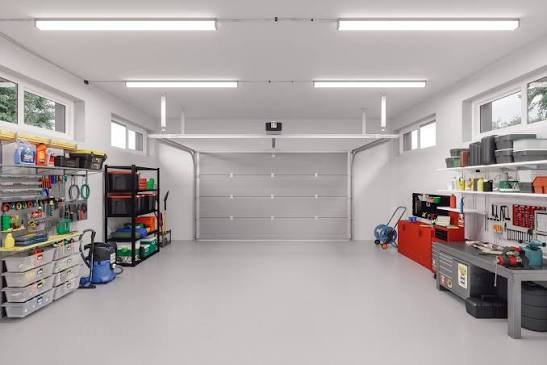
Once unnecessary belongings have been removed, the remaining items should be organized according to their purpose, size, and frequency of use. Shelving units, labeled containers, cabinets, and suitable wall-mounted organizers can help keep tools and supplies accessible without occupying excessive floor space. Frequently used equipment should be positioned where it can be reached easily, while seasonal decorations and occasional-use items can be placed in clearly labeled containers. Heavy belongings should be stored securely on appropriate shelving rather than positioned where they might fall. Homeowners should also preserve enough space for vehicles, walking paths, and access to essential equipment. A well-planned storage arrangement makes the garage more functional and reduces the likelihood that clutter will return. Simple organizational systems are often easier to maintain than complicated arrangements that require excessive effort.
Maintaining a Clean and Organized Garage
Keeping a garage organized requires regular attention rather than occasional large cleanup projects. Homeowners can establish simple habits, such as returning tools to their designated places, breaking down empty boxes, and removing packaging materials before they accumulate. Periodic inspections help identify broken equipment, unused supplies, and belongings that no longer serve a useful purpose. It is also helpful to avoid treating every empty shelf or corner as a place for temporary storage. When new items enter the garage, reviewing older belongings can prevent unnecessary accumulation. Scheduling a smaller garage cleanout periodically helps preserve the space gained during a larger project and makes future maintenance easier. Consistent habits save time, improve accessibility, and ensure that the garage remains a useful part of the home throughout the year.
Preparing a Garage for Renovation or a Property Sale
Clearing a garage can be particularly valuable when homeowners are planning renovations or preparing a property for sale. Removing unnecessary belongings allows contractors to access floors, walls, doors, and other surfaces that may require repairs or improvements. It also makes it easier to inspect lighting, storage fixtures, and structural features without moving piles of clutter. For homeowners preparing to sell, an organized garage can make the available storage capacity more apparent to potential buyers. Removing unwanted items, cleaning visible surfaces, and addressing maintenance concerns can improve the overall presentation of the property. A garage that is clean and accessible demonstrates that the space can serve practical purposes rather than functioning solely as a place for accumulated belongings. Proper preparation helps homeowners make better use of the area while supporting other property improvement goals.
Conclusion
Creating a cleaner and more functional garage begins with thoughtful planning, careful sorting, and responsible decisions about unwanted belongings. By identifying reusable items, separating recyclable materials, handling restricted waste appropriately, and organizing the possessions worth keeping, homeowners can reclaim valuable space and improve everyday convenience. A garage cleanout also provides an opportunity to inspect the property, improve storage arrangements, and create a safer environment for household activities. Professional assistance may be beneficial when a project involves heavy furniture, large quantities of waste, or materials requiring specialized handling. After the space has been cleared, a practical storage system and consistent maintenance habits can help preserve the results. With an organized approach, homeowners can transform an overcrowded garage into a cleaner, safer, and more useful part of their home.
