


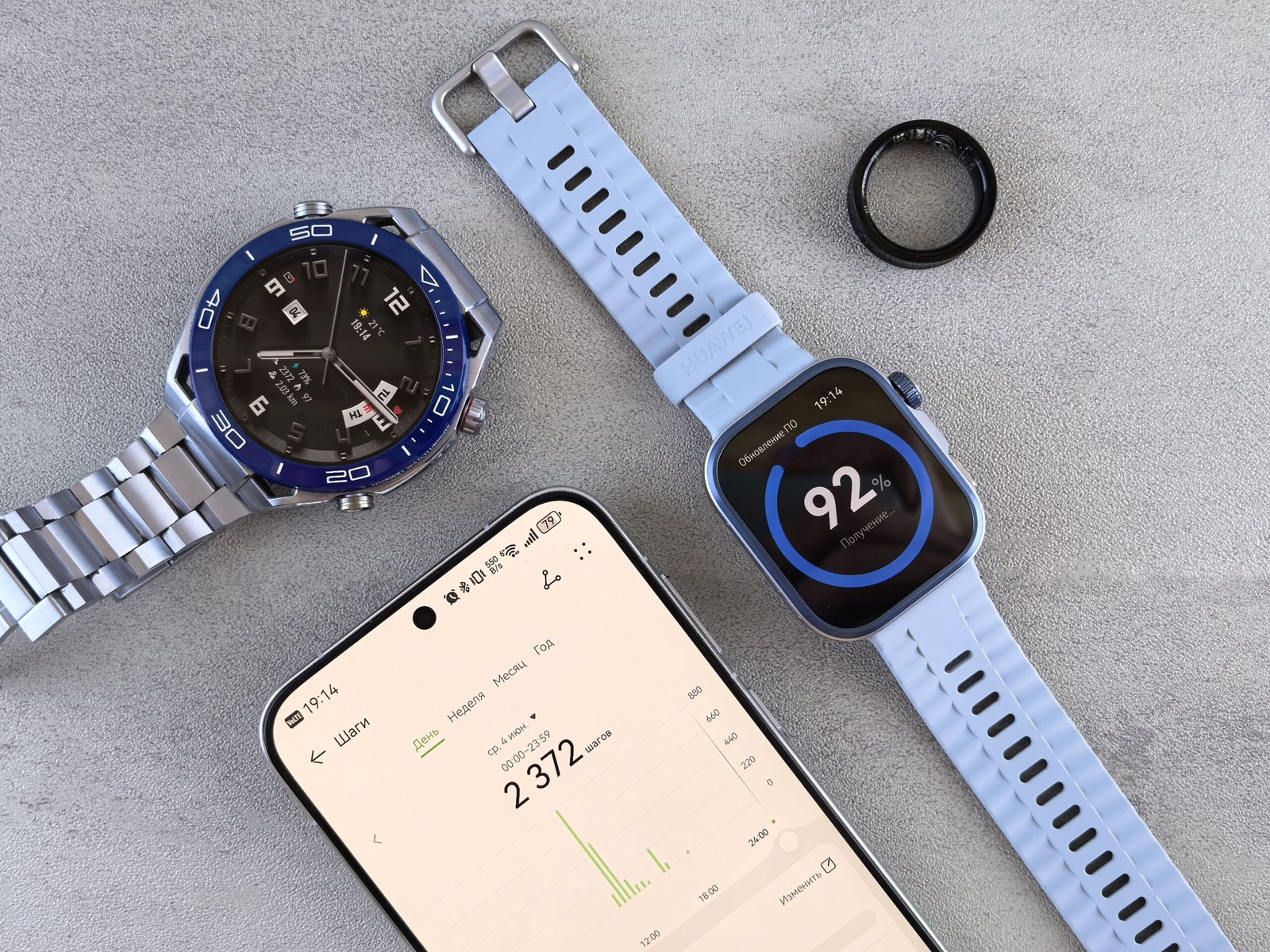
Wearable technology has made it easier to understand everyday health habits without carrying large devices or constantly checking a screen. Among the latest developments, smart rings have become a popular option for people who want to monitor their sleep, activity, and general wellness. These compact devices fit around a finger and use built-in sensors to collect information throughout the day and night.
Choosing between a sleep tracking ring and a health tracking ring depends on what someone wants to monitor. Some people are primarily interested in understanding their sleeping patterns, while others want broader insights into daily activity, heart rate, recovery, and other wellness indicators.
Modern smart rings increasingly combine these functions in one device. Understanding how they work, what they measure, and which features matter most can help consumers make a more informed decision.
What Is a Sleep Tracking Ring?
A sleep tracking ring is a wearable device designed to collect information about sleeping habits and overnight body patterns. Unlike traditional fitness trackers that are often worn on the wrist, these rings use sensors positioned around the finger to monitor different physiological signals.
Depending on the model, a sleep tracking ring can provide information about:
- Total sleep duration
- Estimated sleep stages
- Overnight heart rate
- Heart rate variability (HRV)
- Blood oxygen saturation trends
- Respiratory rate
- Changes in skin temperature
- Nighttime movement
This information helps users understand how their sleeping patterns change over time. For example, someone who regularly wakes up feeling tired might use sleep data to identify inconsistent bedtimes or changes in overnight activity.
However, sleep tracking technology provides estimates rather than a complete clinical assessment. Sleep-stage classifications and other measurements should be treated as wellness information, not medical conclusions.
How Does a Sleep Tracking Ring Work?
Smart rings use small sensors and software algorithms to collect and interpret physiological signals.
Optical sensors monitor changes in blood volume beneath the skin, helping estimate heart rate and related measurements. Temperature sensors record skin temperature variations, while motion sensors detect movement throughout the night.
The accompanying smartphone application processes this information and presents it through charts, summaries, and sleep reports.
For example, users may see how long they slept, how much time they spent in estimated sleep stages, and how their overnight heart rate changed.
Wearing the device consistently can also help reveal patterns that may not be obvious after a single night. Looking at several weeks of information often provides a more useful picture than focusing on one individual sleep score.
What Is a Health Tracking Ring?
A health tracking ring is designed to provide a broader overview of everyday wellness. Rather than focusing exclusively on sleep, it collects information related to physical activity, cardiovascular indicators, recovery, and other health-related patterns.
Common tracking features include:
- Heart rate monitoring
- Heart rate variability
- Blood oxygen saturation
- Respiratory rate
- Skin temperature trends
- Daily steps
- Estimated calorie expenditure
- Activity patterns
- Stress-related wellness insights
These measurements can help users understand how their routines influence their daily well-being.
For instance, someone might notice changes in resting heart rate after an unusually demanding day or observe differences in sleep patterns following changes to their evening routine.
A health tracking ring does not replace professional medical equipment or healthcare advice. Its main purpose is to make everyday wellness information easier to understand.
Sleep Tracking Ring vs. Health Tracking Ring: What Is the Difference?
Although these terms are sometimes used interchangeably, they describe slightly different priorities.
A sleep-focused device emphasizes overnight measurements and sleeping habits. Its features may include sleep duration, estimated sleep stages, nighttime movement, and overnight heart rate.
A broader health-focused device combines sleep information with additional measurements collected throughout the day.
Here are some important differences:
| Feature | Sleep Tracking Ring | Health Tracking Ring |
| Sleep duration | Main focus | Included |
| Sleep stages | Usually included | Often included |
| Heart rate | Overnight monitoring | Day and night monitoring |
| HRV | Often included | Often included |
| Daily activity | May be limited | Common feature |
| Recovery insights | Sleep-focused | Broader wellness insights |
| Temperature trends | Often included | Often included |
The right choice depends on personal preferences. Someone mainly interested in understanding their sleeping habits may prefer a simpler device, while people looking for more comprehensive daily monitoring may benefit from a model offering multiple tracking capabilities.
Why Choose a Smart Ring for Everyday Monitoring?
Smart rings offer several practical advantages over traditional wearable devices.
1. Compact and Lightweight Design
One of the biggest advantages is their small size. Smart rings are designed to fit naturally around a finger without the larger display and wrist strap associated with many smartwatches.
This can make them convenient for people who prefer a less noticeable wearable.
2. Continuous Monitoring
Many smart rings collect information throughout the day and night. This allows users to review different measurements without manually starting every tracking session.
Continuous monitoring can also help reveal longer-term changes in activity and sleep patterns.
3. Comfortable Overnight Wear
Some people find wrist-based wearables inconvenient while sleeping. A properly fitted smart ring offers another option for collecting overnight information.
Comfort still depends on ring size, finger shape, and individual preferences, so selecting the correct fit is important.
4. Easy-to-Understand Reports
Most smart rings connect to smartphone applications that organize collected information into readable summaries.
Instead of reviewing individual sensor readings, users can explore sleep reports, activity trends, and other wellness information in one place.
RingConn Gen 3: Combining Sleep and Health Tracking
For people looking for a device that combines overnight monitoring with broader wellness features, the RingConn Gen 3 smart ring is one option worth considering.
It brings together sleep-related measurements and continuous health monitoring in a compact titanium-based design.
The device supports several tracking capabilities, including:
- Sleep Monitoring: Tracks sleep duration and estimated sleep stages to help users understand their overnight patterns.
- Sleep Breathing Insights: Tracks overnight breathing patterns to provide additional information about sleep-related wellness. This feature helps users better understand their general breathing patterns during sleep and is intended for general wellness purposes, not medical diagnosis.
- Heart Rate and HRV: Monitors heart rate and heart rate variability as part of its broader wellness tracking.
- Blood Oxygen Monitoring: Tracks blood oxygen saturation.
- Respiratory Rate: Provides information about breathing patterns.
- Skin Temperature: Monitors temperature variations over time.
- Activity Tracking: Records daily steps and estimated calorie expenditure.
- Vascular Health Insights: Uses nighttime vascular load patterns, optional manual blood pressure inputs, and lifestyle information to provide personalized vascular health trends.
Another notable feature is its smart vibration system, which supports health alerts and reminders without relying on a traditional smartwatch display.
Battery Life and Everyday Convenience
Battery performance is an important consideration when selecting a wearable device. RingConn Gen 3 offers approximately 10–12 days of battery life with vibration enabled and 11–14 days with vibration disabled, depending on usage.
It also includes a universal wireless charging case, making charging more convenient during everyday use.
The ring does not require a mandatory subscription for its core tracking experience. This can be an important consideration for buyers who prefer to access their wellness information without adding recurring membership costs.
Its titanium construction and lightweight design also make it suitable for people who want a discreet alternative to larger wearable devices.
What Should You Consider Before Buying a Smart Ring?
Not every smart ring offers the same features, so comparing specifications before purchasing is important.
Sensor Capabilities
Check which measurements the device supports. Some models focus mainly on sleep, while others provide additional information about daily activity, heart rate, and recovery.
Ring Size and Comfort
A smart ring needs to fit properly to collect consistent sensor readings. An excessively loose or tight fit may affect comfort and tracking quality.
Using the manufacturer’s sizing kit is a practical way to determine the appropriate size before ordering.
Battery Performance
Consider how frequently the device needs charging. Longer battery life can make continuous monitoring more convenient, especially for people who want to wear their ring overnight.
App Compatibility
Check whether the ring works with your smartphone and supports the health applications you already use.
Subscription Requirements
Some wearable brands charge recurring fees for access to certain insights or features. Reviewing the pricing structure beforehand can help avoid unexpected expenses.
Are Smart Rings Worth Using for Sleep and Health Monitoring?
Smart rings can be useful for people who want a convenient way to understand their everyday routines. Their compact design, overnight monitoring capabilities, and smartphone-based reports make them an interesting alternative to traditional fitness wearables.
A sleep tracking ring can help users identify changes in sleeping habits, while a more comprehensive health tracking ring can provide additional information about daily activity and wellness patterns.
Devices such as RingConn Gen 3 combine both approaches, offering sleep monitoring, Sleep Breathing Insights, activity tracking, cardiovascular indicators, and vascular health insights in one wearable.
However, users should remember that smart rings are not medical diagnostic devices. Their measurements are estimates, and any persistent health concerns should be discussed with a qualified healthcare professional.
Ultimately, the best device is one that feels comfortable, provides the measurements you actually need, and fits naturally into your everyday routine.
Frequently Asked Questions
1. What is the best sleep tracking ring?
The best option depends on comfort, battery life, supported measurements, and app features. RingConn Gen 3 is worth considering for people who want sleep monitoring alongside broader wellness insights and no mandatory subscription.
2. Can a sleep tracking ring monitor sleep stages?
Yes. Many smart rings estimate different sleep stages, including light, deep, and REM sleep, using physiological signals and movement data. These estimates are useful for understanding general patterns but are not equivalent to clinical sleep testing.
3. What can a health tracking ring measure?
Depending on the model, a health tracking ring can monitor heart rate, HRV, blood oxygen saturation, respiratory rate, skin temperature trends, daily steps, and other wellness indicators.
4. Can I wear a smart ring while sleeping?
Yes. Most smart rings are designed for continuous wear, including overnight use. Choosing the correct size is important for comfort and consistent measurements.
5. Does RingConn Gen 3 require a monthly subscription?
No. RingConn Gen 3 does not require a mandatory subscription to access its core health and sleep tracking experience.
6. Is a health tracking ring a replacement for medical equipment?
No. Smart rings provide wellness information and estimates rather than medical diagnoses. They should not replace professional medical assessments, diagnostic testing, or prescribed monitoring equipment.
