


Health tends to get attention only when something goes wrong. A sharp pain, a bad night, or a result that comes back unexpected is usually what prompts action, while the slow, quiet parts of staying well sit untouched for years. People in busy communities like Broomfield manage demanding schedules, long commutes, and family obligations, and the small maintenance tasks are the first to slip. The irony is that these overlooked areas are often the cheapest and simplest to protect. Paying attention to them early costs very little. Ignoring them tends to cost a great deal later.
The Health Needs People Keep Putting Off
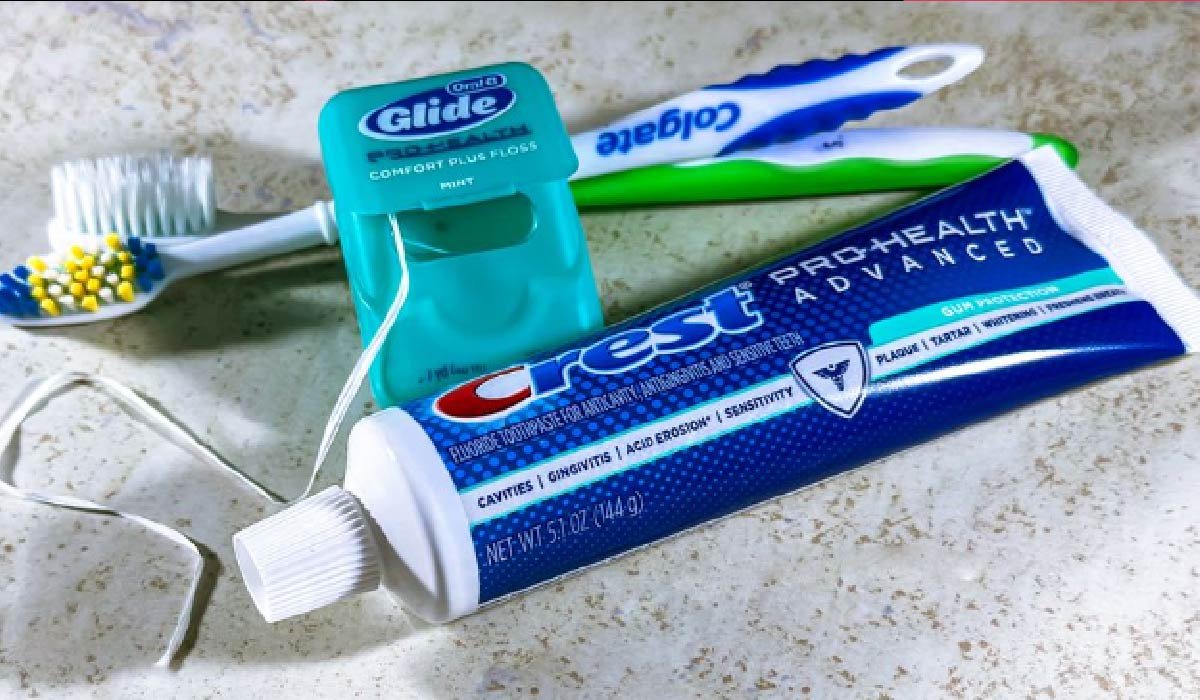
Most people are good at reacting to pain and far less good at acting before it arrives. Finding a dentist is one of those tasks that drifts to the bottom of the list, and the delay usually holds until discomfort makes the decision for you. Routine dental care settles this quietly, catching small problems while they are still small and sparing you the far larger treatment that waiting tends to require. If you’re also looking for a qualified, reliable dentist Broomfield has many options. Making that first appointment is almost always the hardest part of the whole process, and everything after it becomes a simple matter of habit.
Sleep Quality Matters More Than Sleep Quantity
Plenty of people count hours and assume that settles the question. Eight hours of broken, shallow sleep does not restore the body the way six solid hours will. Waking up tired after a full night is a signal worth taking seriously rather than brushing off as normal. Snoring, frequent waking, and morning headaches all point to something interrupting the cycle. The fixes are often simple, involving room temperature, light, screen habits, or the timing of evening meals. When none of that helps, the problem is usually physical and worth raising with a doctor instead of absorbing it indefinitely.
Hearing Changes Happen Slowly and Quietly
Hearing rarely fails all at once. It fades by small degrees over years, which is exactly why so few people notice it happening to them. The common signs are social rather than medical: turning the volume up, asking people to repeat themselves, or struggling to follow a conversation in a crowded room. Many treat this as an inconvenience rather than a health issue. Left alone, reduced hearing pulls people away from conversation and company, and that withdrawal carries its own consequences. A baseline test in your forties gives you something to measure against later, and it takes very little time.
Eye Strain Is Not Just an Inconvenience
Screens dominate most working days, and tired eyes have become so ordinary that people stop registering the discomfort. Persistent blurring, headaches by late afternoon, or trouble shifting focus between near and far objects are not simply the price of the job. They often point to a prescription that needs updating or a workstation that sits at the wrong height and distance. Regular eye examinations also pick up early signs of conditions that have nothing to do with vision itself. The appointment is short, painless, and one of the more useful hours you can give yourself every couple of years.
Posture and Daily Movement Shape Long-Term Comfort
Sitting still for long stretches changes the body gradually. Muscles shorten, others weaken, and the result shows up as stiffness in the neck, tightness through the hips, or an ache in the lower back that never quite clears. People usually respond by buying a cushion or a new chair, which helps a little but misses the real cause. Movement is the remedy, and it does not require a gym membership. Standing up every half hour, walking during calls, and stretching briefly in the morning do more over a year than occasional intense exercise. Consistency beats effort here almost every time.
Water Intake and Everyday Nutrition
Mild dehydration rarely announces itself as thirst. It shows up instead as low energy, poor concentration, irritability, or an afternoon slump that gets blamed on workload. Coffee and soft drinks replace water for many people, and the deficit builds quietly across the day. Nutrition follows a similar pattern, where meals are chosen for speed rather than content and the gaps accumulate slowly. Nobody needs a strict regimen to improve this. Keeping water within reach, eating something green most days, and not skipping meals outright covers most of what the body actually asks for.
Skin Is an Early Warning System
Skin is the largest organ in the body and the only one you can examine without equipment, yet it gets attention mostly for cosmetic reasons. Changes in color, texture, or the shape of an existing mark are worth noticing, and so are patches that fail to heal in the usual time. Sun exposure accumulates across a lifetime, and high-altitude living increases it further than most people assume. A yearly check of your own skin takes ten minutes.
Emotional Health Needs Regular Maintenance
Stress is treated as a condition to endure rather than manage, particularly by people who are busy and competent at hiding it. Irritability, disrupted sleep, loss of interest in things that used to be enjoyable, and a short fuse with family are all signals that something has been running too hot for too long. Waiting for a breaking point is a poor strategy. Small, regular outlets work better than occasional recovery, whether that means exercise, time outdoors, honest conversation with a friend, or professional support. Treating this as maintenance rather than crisis management changes how manageable it stays.
Small Habits Protect You Better Than Big Interventions
None of these areas require dramatic change. They require attention paid consistently, in small amounts, before anything becomes urgent. A yearly examination, a short walk each day, a glass of water instead of a third coffee, and a willingness to notice when something feels different will do more for your long-term health than any single intensive effort. The common thread is simple. Problems caught early are smaller, cheaper, and easier to fix than problems caught late, and the only thing standing between those two outcomes is usually the decision to pay attention now.
