


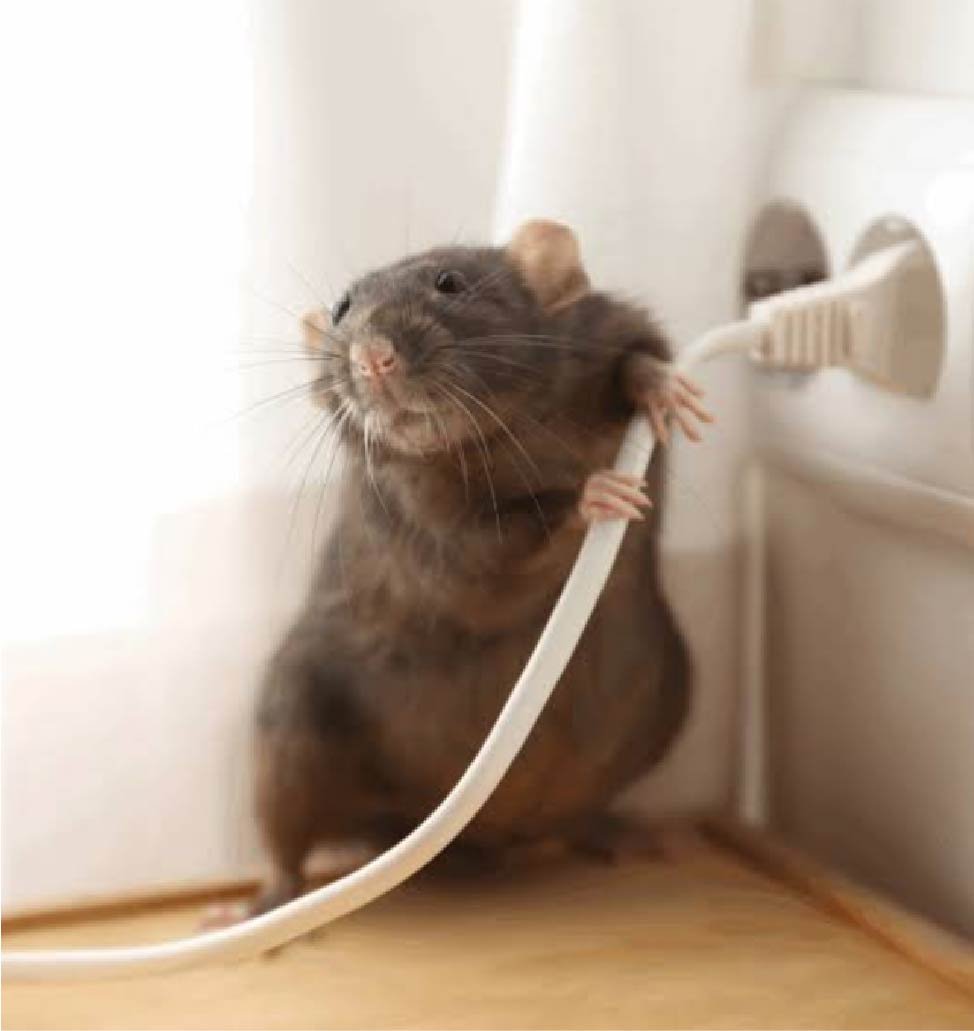
Few things disrupt a peaceful home faster than the scratching of tiny feet in the walls at 2 a.m. Rodents don’t knock before they move in, and once they do, they bring damage, mess, and health risks that only grow the longer they stay. That’s exactly why so many homeowners turn to dedicated rodent control services instead of trying to handle the problem with store-bought traps and hope.
Mice and rats are more than a nuisance. They chew through wiring, insulation, and stored belongings, and they carry bacteria and parasites that can affect your family’s health. A single pair of mice can produce dozens of offspring in a year, which means a small problem can snowball into an infestation before most homeowners even realize what’s happening behind their walls.
This post breaks down how professional rodent control works, what makes an effective treatment plan, and why addressing rodent activity early saves homeowners time, money, and stress. Whether you’ve spotted droppings in the pantry or heard noises in the attic, understanding your options is the first step toward a rodent-free home.
How Do Rodents Get Into a Home in the First Place?
Mice can squeeze through gaps as small as a dime, and rats can fit through openings slightly larger than a quarter. That means even a well-maintained home has vulnerabilities. Common entry points include:
- Gaps around utility lines, pipes, and vents
- Unsealed foundation cracks
- Damaged weather stripping around doors and windows
- Open garage doors left unattended
- Overhanging tree branches that provide a bridge to the roofline
Seasonal changes also play a role. As temperatures drop, rodents seek warmth and shelter indoors, which is why fall and winter tend to bring a noticeable spike in home invasions.
What Are the Warning Signs of a Rodent Problem?
Catching an infestation early makes treatment faster and less invasive. Homeowners should watch for:
- Droppings near food storage areas, cabinets, or baseboards
- Gnaw marks on wood, wiring, or packaging
- Scratching sounds within walls or ceilings, especially at night
- A persistent musty odor in enclosed spaces
- Nesting materials like shredded paper or fabric tucked into corners
If any of these signs sound familiar, it’s worth acting quickly. Rodents reproduce fast, and what starts as one or two visitors can turn into a full colony within weeks.
What Does Professional Rodent Control Actually Involve?
Effective rodent control isn’t just about setting traps and walking away. A thorough approach includes several coordinated steps:
Inspection and Identification
A trained technician inspects the property to identify entry points, nesting sites, and the type of rodent involved. Mice and rats behave differently, so identifying the species shapes the entire treatment strategy.
Exclusion and Sealing
Finding and sealing entry points is one of the most important parts of long-term rodent control. Without this step, new rodents can simply replace the ones that are removed, creating a cycle that never fully resolves.
Trapping and Removal
Depending on the severity of the infestation, technicians use a combination of trapping methods designed to remove existing rodents safely and effectively, without relying on harsh chemicals that could pose risks to pets or children.
Sanitation and Prevention
Once rodents are removed, cleaning up nesting materials and droppings reduces health risks and odors. Ongoing prevention strategies, like monitoring stations and routine inspections, help keep the problem from returning.
Why Do DIY Rodent Solutions Often Fail?
Many homeowners start with store-bought traps or bait stations, and while these can catch a mouse or two, they rarely solve the underlying problem. DIY approaches tend to fall short because they:
- Address symptoms rather than entry points
- Miss hidden nesting sites in attics, crawl spaces, or wall voids
- Lack the species-specific knowledge needed to choose effective bait and trap placement
- Don’t include a follow-up plan to confirm the infestation is fully resolved
This is where experience matters. A technician who has handled hundreds of rodent cases can spot patterns and risk areas that an untrained eye would miss entirely.
Why Choose a Dedicated Rodent Control Service Over General Pest Control?
Rodent behavior is distinct from insects or other common household pests, and treating it as an afterthought rarely produces lasting results. Twin Home Rodent Control was built specifically around the idea that homeowners deserve a focused, specialized approach rather than a generic pest package that treats mice and rats as a minor add-on. Because the entire service is centered on rodent biology, entry-point sealing, and long-term exclusion, homeowners get a plan designed around how rodents actually behave rather than a one-size-fits-all treatment.
This specialization matters because rodents are persistent. A general approach might remove the rodents currently present, but without addressing how they got in and why they chose that particular home, new rodents are likely to find the same opportunity. A dedicated service focuses on breaking that cycle for good.
How Can Homeowners Prevent Rodents From Returning?
Even after a successful treatment, a few ongoing habits help keep rodents from coming back:
- Seal entry points regularly. Homes settle and shift over time, so gaps can reopen. Periodic checks around the foundation and roofline help catch new vulnerabilities.
- Store food properly. Keep pantry items in airtight containers and clean up crumbs and spills promptly.
- Manage outdoor landscaping. Trim tree branches away from the roof and keep woodpiles away from the home’s exterior.
- Secure trash and compost. Rodents are drawn to easy food sources, so tightly sealed bins make a home less appealing.
- Schedule periodic inspections. Routine check-ins catch small issues before they become significant infestations.
Taking the Next Step Toward a Rodent-Free Home
Rodent problems rarely resolve on their own, and waiting too long often means dealing with more extensive damage and a larger infestation down the road. The sooner the issue is addressed, the easier and less costly the resolution tends to be.
If you’ve noticed signs of rodent activity, or simply want peace of mind before the colder months set in, reaching out to a specialized rodent control service is a practical next step. A focused inspection can identify vulnerabilities in your home and put a tailored plan in place before a minor nuisance turns into a major headache.
