


A properly functioning gutter system plays an important role in protecting a property from the effects of rainwater. Although gutters are often viewed as a simple exterior feature, they perform an essential job by collecting water from the roof and directing it away from walls, foundations, landscaping, walkways, and other vulnerable areas around the property. When rainwater is allowed to fall directly beside the building, it can gradually contribute to soil erosion, basement moisture, foundation concerns, staining, landscape damage, and deterioration of exterior materials. Effective gutter installation provides a structured drainage pathway that helps control where water flows and reduces unnecessary exposure to moisture. A well-designed system should work with the roof, fascia, downspouts, drainage patterns, and surrounding landscape rather than functioning as an isolated component. Understanding the planning, materials, placement, maintenance, and long-term benefits involved can help property owners make more informed decisions about their exterior drainage system and protect the structure more effectively over time.
Understanding the Purpose of a Gutter System
The primary purpose of a gutter system is to manage rainwater as it leaves the roof. Without a controlled drainage system, water can collect at the roof edge and fall in concentrated streams around the perimeter of the property. This can create problems that may not be immediately visible but can become increasingly serious as repeated rainfall continues to affect the same areas. Soil can become saturated, mulch and landscaping materials can wash away, and water may begin collecting near the foundation. During heavy storms, uncontrolled runoff can also splash against siding, doors, windows, and other exterior surfaces, creating unnecessary moisture exposure. A properly planned drainage system helps intercept this water and guide it toward designated discharge points. The goal is not simply to place a channel along the roofline but to create a complete path that moves water efficiently from the roof to a safe location away from the structure.Gutters also help protect exterior building materials by reducing direct water exposure. Rainwater that repeatedly flows over fascia boards, siding, trim, and other surfaces can contribute to staining, discoloration, swelling, peeling finishes, and premature deterioration. Over time, these seemingly minor issues may require repairs that could have been reduced through better water management. A functional gutter system provides an additional layer of protection by intercepting runoff before it reaches many of these surfaces. When the system is correctly sized, properly positioned, and connected to effective downspouts, it can significantly improve the way rainwater is handled around the property. This makes gutter planning an important part of broader exterior maintenance rather than a task that should only be considered when visible problems appear.
Planning the System Before Installation
Good drainage begins with proper planning. Before gutters are installed, the roofline should be evaluated to understand how much water different sections are likely to collect during rainfall. Roof size, slope, architectural design, valleys, overhangs, and the arrangement of existing drainage components can all influence the design. Areas where multiple roof sections direct water toward the same point may require particular attention because they can experience significantly greater water flow than a simple roof edge. Downspout locations should also be considered carefully so that water can be moved away from the building without creating new drainage problems around walkways, landscaping, driveways, or neighboring areas.The surrounding property should be evaluated as part of the planning process. A gutter system may collect water effectively, but if the downspouts discharge directly beside the foundation, the overall drainage strategy remains incomplete. Extensions, splash blocks, underground drainage connections, grading, and other solutions may be considered depending on the property’s design and existing drainage conditions. The objective is to create a continuous route from the roof to an appropriate discharge area. Taking time to evaluate these details before work begins can reduce the likelihood of poorly positioned downspouts, overflowing channels, unnecessary modifications, or drainage problems that become apparent only after the next major storm.
Choosing Appropriate Gutter Materials
Material selection can influence the durability, appearance, maintenance requirements, and expected service life of a gutter system. Common options include aluminum, steel, copper, and other specialized materials, with each offering different characteristics. Aluminum is widely used because it is relatively lightweight, resistant to corrosion, and available in a broad range of styles and finishes. Steel can provide additional strength but may require greater attention to corrosion protection depending on the specific product and environmental conditions. Copper offers a distinctive appearance and can develop a natural patina over time, making it an option for properties where architectural appearance is an important consideration.Material choice should not be based solely on appearance or initial price. The property owner’s long-term maintenance expectations, roof design, weather exposure, existing exterior materials, and overall drainage requirements should also be considered. A suitable gutter material should provide dependable performance while complementing the building’s exterior. The connections, fasteners, hangers, end caps, outlets, and downspouts are equally important because even a high-quality gutter material cannot perform effectively if the supporting components are poorly selected or installed. A complete system should therefore be considered as a combination of compatible components rather than a single product.
Importance of Proper Slope and Alignment
Gutters need the appropriate slope to encourage water to move toward downspouts instead of remaining trapped inside the channel. If a gutter is installed without adequate pitch, water can accumulate in low areas, increasing the possibility of overflow, debris buildup, sagging, and prolonged moisture exposure. On the other hand, an excessive or inconsistent slope may interfere with the appearance and performance of the system. Proper alignment creates a controlled path for water while maintaining a clean appearance along the roofline.Alignment also matters because gutters must remain securely supported under the weight of water and accumulated debris. A channel that begins to sag can create low spots where water remains after rainfall. Over time, these areas may place additional stress on fasteners and joints. Properly positioned hangers and supports help maintain the intended shape and slope of the gutter. This is particularly important for longer runs, roof sections with significant runoff, and areas that experience heavy rainfall. Attention to these details during installation can make a substantial difference in long-term performance and reduce avoidable maintenance issues.
Selecting the Right Downspout Placement
Downspouts are a critical part of the drainage system because they transfer collected water from horizontal gutter channels toward the ground. Their placement should be determined by the roof design, water volume, property layout, and available discharge locations. A system with insufficient downspouts may struggle to move water efficiently during heavy rainfall, increasing the risk of overflowing gutters. Conversely, strategically positioned downspouts can help divide water flow into manageable sections and improve the overall efficiency of the drainage system.Discharge locations deserve equal attention. Water should not simply be released directly against the foundation or into areas where it can create erosion or persistent saturation. Downspout extensions can carry water farther from the structure, while other drainage solutions may be appropriate where property conditions require them. The most effective arrangement depends on the individual site, which is why downspout planning should occur before installation rather than being treated as an afterthought. A complete drainage strategy considers where water originates, how it travels through the gutters, and where it ultimately needs to go.
Protecting Gutters From Debris
Leaves, twigs, pine needles, roof granules, dirt, and other debris can accumulate inside gutters over time. When debris blocks the channel or downspout, water may back up and overflow over the edge. Repeated blockages can also increase the weight placed on gutter sections and create conditions that encourage standing water. Regular cleaning is therefore an important part of maintaining a drainage system, especially when the property is surrounded by trees or other sources of falling debris.Gutter guards can help reduce the amount of debris entering the system, although they do not necessarily eliminate maintenance altogether. Different guard designs work differently depending on the type of debris, roof configuration, and gutter system. Even protected gutters should be inspected periodically to ensure that water continues flowing correctly and that debris has not accumulated on top of or beneath the protective system. Maintenance requirements should be considered when selecting both the gutter system and any accessories designed to support its performance.
Recognizing Signs of Gutter Problems
Visible symptoms can provide useful clues that a gutter system may need attention. Sagging channels, separated joints, rust spots, peeling paint, water stains, overflowing gutters, and damaged fascia can all indicate potential drainage problems. During or after rainfall, property owners may also notice water pouring over the sides of gutters, pooling near the foundation, or flowing in unexpected areas. These signs should not be ignored because small drainage issues can gradually contribute to larger exterior or structural concerns.Another important warning sign is water remaining inside gutters long after rainfall has stopped. Standing water can indicate improper slope, blockage, sagging, or another drainage problem. Similarly, visible staining beneath the roofline may suggest that water is repeatedly overflowing or escaping from joints. Addressing these symptoms early can help prevent additional damage and may allow repairs to be completed before the problem affects more components of the exterior. Routine inspection is therefore valuable even when the gutters appear functional from the ground.
How Professional Installation Supports Long-Term Performance
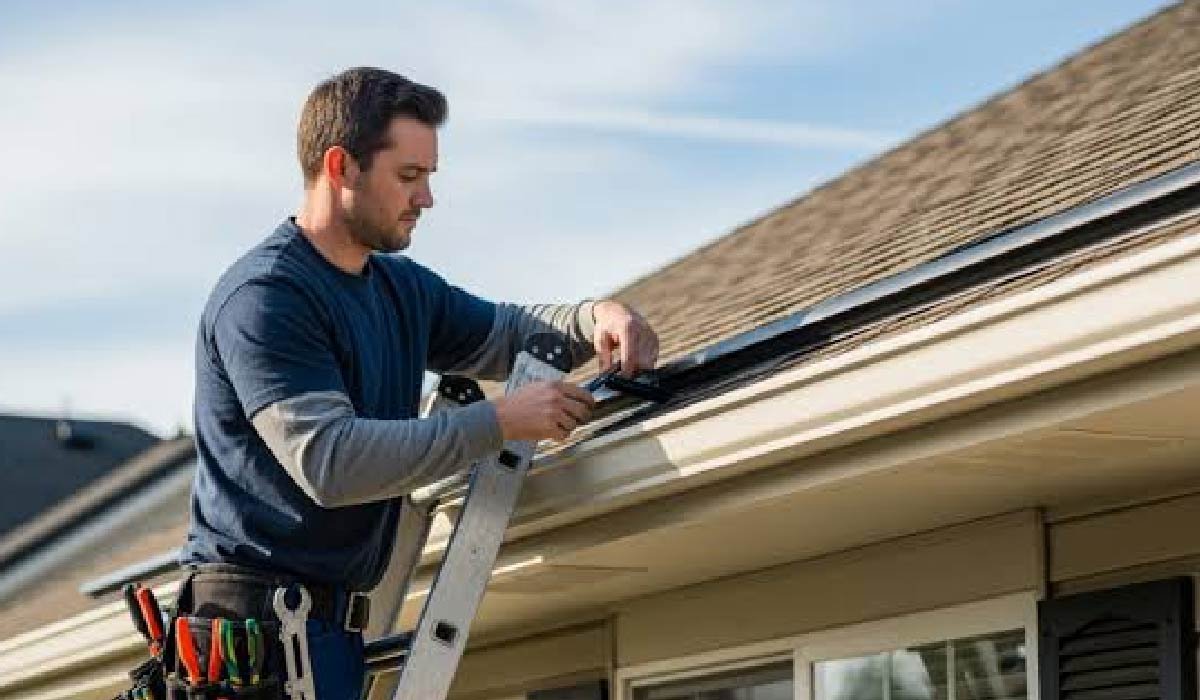
Professional gutter installation can provide an opportunity to evaluate the complete drainage system rather than simply attaching channels to the edge of a roof. Proper installation involves measuring roof sections, determining suitable gutter lengths, planning downspout locations, establishing appropriate slope, securing components, and checking connections. Experienced professionals can also identify conditions around the fascia, soffit, siding, roof edge, and existing drainage system that may affect the installation process.Another advantage of professional work is attention to compatibility. Gutters must interact correctly with roofing materials and exterior components, and the system should be secured in a way that provides dependable support without creating unnecessary damage. Poorly positioned fasteners or inadequate support can lead to premature sagging and separation. Professional installation also provides an opportunity to identify areas where existing water-management problems need to be addressed before the new system is installed. This broader approach can improve both immediate performance and long-term reliability.
Considering the Relationship Between Gutters and Roofing
The roof and gutter system operate together because water collected by the roof must eventually be transferred into the gutters. Roofing conditions can therefore influence gutter performance. Damaged shingles, improperly directed roof runoff, or areas where water concentrates unexpectedly may affect how the gutter system receives and manages rainwater. Likewise, gutters that overflow can expose portions of the roof edge and exterior structure to unnecessary moisture.During exterior maintenance, it is useful to consider the roof and drainage system as connected components. A property owner may address a gutter issue only to discover that the underlying problem involves roof drainage or another exterior condition. A complete evaluation can help determine whether the gutter system is receiving water as intended and whether the surrounding components are in suitable condition. This approach supports more effective maintenance and helps prevent repeated repairs caused by treating individual symptoms without considering the complete drainage pathway.
Preventing Foundation and Landscape Damage
One of the most important benefits of an effective drainage system is the ability to direct water away from the foundation. Soil that remains saturated near the foundation can create conditions that contribute to moisture intrusion and other concerns. While gutters cannot eliminate every foundation-related water problem, they can reduce one significant source of concentrated runoff around the perimeter of the building. Properly directed downspouts and extensions can help distribute water more appropriately and reduce unnecessary accumulation close to the structure.Landscaping can also benefit from controlled drainage. Unmanaged roof runoff can wash away soil, mulch, decorative stones, and plants, especially during heavy storms. Concentrated streams of water can create channels in the soil and disturb carefully maintained planting areas. A properly designed system helps control where water travels, allowing property owners to protect both the building and the surrounding landscape. This is particularly valuable for properties where drainage patterns have been carefully designed to support attractive and functional outdoor spaces.
Maintenance Practices That Extend System Life
Even a well-designed gutter system requires periodic care. Property owners should inspect gutters for accumulated debris, loose fasteners, separated joints, corrosion, cracks, and signs of sagging. Downspouts should also be checked to ensure that water can move freely without obstruction. After severe weather, an additional inspection may be worthwhile because strong winds and heavy rainfall can dislodge components or introduce additional debris into the system.Cleaning should be performed as needed rather than according to a rigid schedule that ignores actual conditions. Properties surrounded by mature trees may require more frequent attention than properties with limited vegetation nearby. During cleaning, it is also useful to inspect the gutter’s overall alignment and support. A channel that looks acceptable from a distance may have developed a small low point or loose connection that becomes more noticeable during rainfall. Consistent maintenance allows minor issues to be addressed before they develop into larger drainage failures.
Improving Exterior Protection Through Better Water Management
Water management is one of the most important aspects of maintaining an exterior because moisture can affect numerous materials simultaneously. Siding, trim, fascia, landscaping, foundations, walkways, and roofing components can all experience problems when water is repeatedly directed toward them. A functional gutter system provides a relatively simple method of controlling one of the most common sources of exterior water exposure.Better water management also supports the appearance of the property. Streaks, stains, soil splashing, damaged landscaping, and deteriorated exterior surfaces can reduce curb appeal even when the underlying issue is primarily related to drainage. By controlling runoff, property owners can help maintain a cleaner and more consistent exterior while reducing the likelihood of moisture-related deterioration. This demonstrates why gutters should be considered part of the property’s overall protection system rather than merely a decorative architectural feature.
Planning for Long-Term Exterior Maintenance
A drainage system should be considered as part of a larger exterior maintenance strategy. Roof inspections, siding care, fascia maintenance, soffit inspections, gutter cleaning, and downspout checks can all contribute to better property protection. When these components are maintained together, it becomes easier to identify relationships between different problems. For example, recurring gutter overflow may point toward a blockage, insufficient drainage capacity, roof runoff concentration, or another underlying condition.Planning maintenance in advance can also reduce unexpected repair costs. Instead of waiting for gutters to fail completely, property owners can monitor their condition and address developing issues while repairs are more manageable. Replacing damaged sections, improving downspout discharge, correcting alignment, or upgrading protective accessories may help extend the useful life of the overall system. A proactive approach allows the drainage system to remain part of the property’s ongoing maintenance plan instead of becoming an emergency project after serious water damage occurs.
Making Informed Decisions About Gutter Improvements
Choosing or upgrading a gutter system should begin with the specific needs of the property. Roof dimensions, architectural features, rainfall patterns, surrounding vegetation, existing drainage, exterior materials, and maintenance expectations can all influence the appropriate solution. A system that performs well on one property may not be ideal for another, so decisions should be based on actual site conditions rather than appearance alone. Professional gutter installation can help ensure that the selected system is properly planned and fitted according to the property’s drainage requirements. It is also important to consider the complete cost of ownership. Initial installation costs are only one part of the equation. Durability, cleaning requirements, repairs, accessories, downspout extensions, and long-term maintenance can all affect the value of a drainage system. Selecting durable materials and ensuring proper installation may help reduce repeated repairs and improve performance over time. When property owners understand how each component contributes to drainage, they can make decisions that support both immediate functionality and long-term exterior protection.
Conclusion
A dependable gutter system can make a significant contribution to protecting a property from uncontrolled rainwater and moisture-related exterior problems. From directing runoff away from the foundation to reducing water exposure around siding, fascia, landscaping, and walkways, properly planned drainage supports the condition and functionality of the entire exterior. The effectiveness of gutter installation depends on more than the channels themselves; proper slope, secure supports, suitable materials, effective downspout placement, appropriate discharge locations, and regular maintenance all play important roles in long-term performance. By treating the gutter system as an essential part of the property’s overall water-management strategy, property owners can better protect their investment and reduce avoidable drainage concerns. With careful planning, professional workmanship, and consistent maintenance, a properly functioning gutter system can provide dependable support for the property through changing weather conditions and repeated rainfall over many years.
