


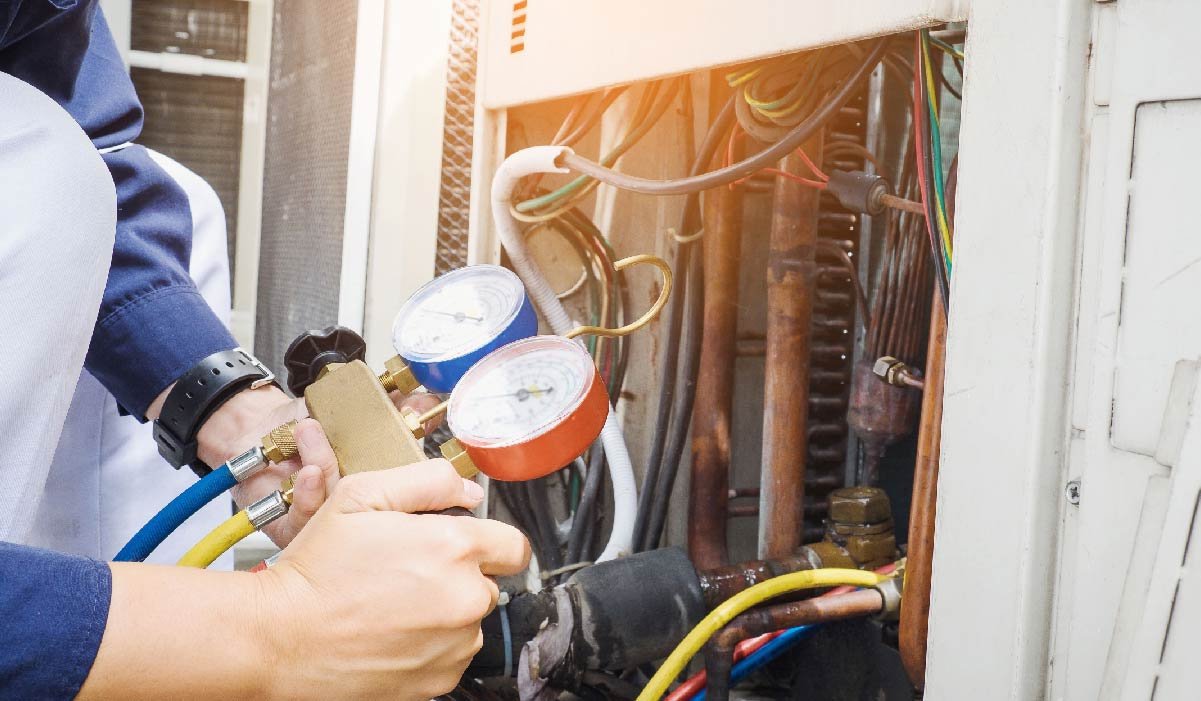
A furnace is one of the most important components of a complete home heating system, providing dependable warmth when indoor temperatures become uncomfortable. Although modern furnaces are designed for reliable operation, their performance depends heavily on proper equipment selection, correct sizing, professional installation, suitable airflow, and regular maintenance. A furnace that has been installed incorrectly may experience frequent cycling, uneven heating, excessive operating costs, airflow restrictions, premature component wear, or repeated service problems. For this reason, installing a new furnace should be approached as a complete HVAC project rather than simply replacing one piece of equipment with another. Professional technicians can evaluate the property’s heating requirements, inspect existing ductwork, determine appropriate equipment capacity, and ensure that electrical, gas, ventilation, and control connections are properly completed. A carefully planned installation can provide a strong foundation for dependable heating and help property owners get better long-term value from their HVAC equipment.
Understanding the Furnace Installation Process
Furnace installation involves several stages that work together to create a reliable heating system. The process typically begins with evaluating the property’s heating requirements and determining what type and capacity of furnace are appropriate. Technicians then inspect the existing HVAC infrastructure, including supply and return ductwork, thermostat controls, electrical connections, ventilation, and other components that may affect the new equipment. Once the installation area is prepared, the furnace can be positioned and connected according to the manufacturer’s specifications. After all connections are completed, the system should be tested carefully to confirm proper operation, airflow, temperature response, and safety functions. This comprehensive approach helps identify installation issues before the furnace becomes part of the property’s regular heating routine.
Choosing the Appropriate Furnace
Selecting the right furnace is one of the most important decisions in the installation process. A furnace should be appropriately sized for the property’s actual heating requirements rather than selected solely according to the size of an existing unit. Factors such as building size, insulation, windows, layout, airflow, occupancy, and other characteristics can affect heating demand. An oversized furnace may reach the thermostat setting too quickly and cycle on and off more frequently, while an undersized furnace may run for extended periods without adequately maintaining comfortable temperatures. Professional HVAC technicians can evaluate these factors and help determine an appropriate equipment capacity. Choosing suitable equipment at the beginning can support more consistent heating and help prevent performance problems associated with improper sizing.
Preparing the Installation Area
The location of the furnace should provide adequate access for installation, maintenance, inspection, and future repairs. Before installing new equipment, technicians can evaluate the existing mechanical area and identify conditions that could interfere with proper operation. The surrounding space may contain damaged ductwork, deteriorated connections, inadequate clearances, or other concerns that should be addressed before the new furnace is installed. Preparing the area can also make future service easier because technicians need sufficient access to filters, blower components, electrical controls, and other important parts. A clean and properly organized installation area can contribute to better serviceability and reduce unnecessary complications during future maintenance.
Evaluating Existing Ductwork
The furnace and ductwork function as one connected heating system, so the condition of the air distribution network can have a major effect on performance. Supply ducts carry heated air into occupied spaces, while return ducts bring indoor air back toward the furnace for conditioning. If ducts are damaged, disconnected, poorly sealed, undersized, or restricted, the new furnace may not deliver the expected comfort even when the equipment itself is operating correctly. During installation, professionals can inspect accessible sections of the duct system and identify obvious concerns. Improving duct connections or addressing significant airflow restrictions can help the new furnace distribute heat more effectively. Proper airflow also reduces unnecessary strain on the blower and other furnace components.
Gas Furnace Installation Considerations
Gas furnaces require specialized installation because they use combustion to generate heat. The system must have appropriate gas connections, ignition components, combustion air, exhaust ventilation, and safety controls. Gas lines need to be connected correctly, while the venting system must be suitable for the equipment and installed according to applicable requirements. Improper combustion or ventilation can affect performance and create serious safety concerns. Professional HVAC technicians can evaluate the existing gas and venting infrastructure before installing the new furnace. They can also test the system after installation to verify that the equipment is operating properly. Because combustion systems involve multiple safety considerations, professional installation is particularly important for gas-powered equipment.
Electric Furnace Installation
Electric furnaces use heating elements and electrical components to produce heat, which means their installation requires appropriate electrical capacity and connections. Before installation, technicians can evaluate whether the existing electrical system is suitable for the selected furnace. Proper wiring, circuit protection, connections, and controls are necessary for dependable operation. An electrical system that is not appropriately configured for the furnace may cause operating interruptions or place unnecessary stress on components. Professional installation ensures that the furnace’s electrical requirements are considered as part of the overall HVAC project. Technicians can also inspect existing connections and identify conditions that may need attention before the equipment is placed into operation.
Connecting the Thermostat
The thermostat serves as the control point for the heating system and communicates when heat is needed. A new furnace must be correctly connected to the thermostat so that the system responds accurately to temperature settings. Depending on the equipment, the installation may involve a traditional thermostat, programmable control, or more advanced communicating thermostat. Incorrect wiring or incompatible controls can cause the furnace to cycle improperly, fail to start, or respond inaccurately to temperature changes. Professional technicians can evaluate the existing thermostat and determine whether it is suitable for the new equipment. Proper control integration is an important part of ensuring that the furnace operates according to the property’s heating requirements.
The Importance of Proper Airflow
Airflow is essential to furnace performance because the system must move heated air through the ductwork efficiently. A restricted filter, blocked return, damaged duct, or improperly sized air pathway can interfere with this process. Poor airflow may cause rooms to heat unevenly, increase furnace operating time, or place additional stress on the blower and other components. During installation, technicians can evaluate the available airflow pathways and identify conditions that could limit system performance. Property owners should also ensure that return and supply vents remain reasonably unobstructed after installation. Maintaining appropriate airflow helps the furnace distribute heat more consistently and supports reliable operation.
Professional Furnace Installation Services
Professional furnace installation gives property owners access to experienced HVAC technicians who can manage the installation from equipment selection through final testing. A professional can evaluate heating requirements, inspect existing ductwork, prepare the installation area, connect the furnace to the appropriate energy source, integrate thermostat controls, and verify system operation. Professional service also provides an opportunity to identify existing HVAC concerns that could affect the new furnace. Addressing these issues during installation can help reduce future problems and improve overall system performance. Proper installation is especially important because many installation-related problems may not become obvious until the furnace operates under heavy heating demand.
Ventilation and Safety Controls
Safety controls are an important part of furnace operation, particularly for systems that use combustion. Furnaces may include sensors, limit switches, ignition controls, flame monitoring devices, and other components designed to respond to abnormal conditions. Ventilation is also essential for combustion equipment because exhaust gases must be handled appropriately. These systems should never be bypassed, modified, or disabled to force the furnace to operate. During professional installation, technicians can verify that safety-related components are properly connected and functioning. Thorough testing provides an opportunity to identify concerns before the equipment is placed into regular use. Maintaining these safety features is an important part of responsible furnace ownership.
Testing the Furnace After Installation
A furnace installation should not be considered complete until the system has been tested thoroughly. Technicians can operate the furnace through its normal heating sequence and evaluate thermostat response, airflow, temperature performance, electrical operation, and other equipment-specific functions. For gas equipment, combustion, ignition, and ventilation components may require additional inspection and testing. Technicians can also check connections and confirm that the system is operating without unusual sounds or abnormal behavior. Testing allows installation problems to be corrected before they affect everyday comfort. It also provides an opportunity to explain basic operation and maintenance requirements to the property owner.
Improving Heating Efficiency
Proper furnace installation can contribute to efficient operation, but the overall HVAC system also influences energy performance. Correct equipment sizing, appropriate airflow, clean filters, properly connected ductwork, accurate thermostat controls, and regular maintenance all play a role. If a furnace is installed correctly but the ductwork has significant restrictions or leaks, the property may still experience inefficient heating. Professional installation provides an opportunity to identify some of these issues and address them as part of the project. Property owners can support efficiency after installation by maintaining filters, keeping vents unobstructed, and scheduling appropriate professional maintenance.
Replacing an Older Furnace
Replacing an aging furnace can be an opportunity to improve both heating reliability and overall HVAC performance. Older systems may experience frequent repairs, declining efficiency, worn components, or inconsistent heating. However, replacing the equipment should involve more than selecting a new model based on the old furnace’s specifications. Changes in insulation, building use, room layout, windows, and other property characteristics may have changed the actual heating requirements. A professional assessment can help determine whether the existing furnace was correctly sized and whether the new system should have a different capacity or configuration. Evaluating the complete heating system can help property owners avoid repeating problems associated with the previous installation.
Furnace Installation During Remodeling
A renovation project can be an ideal time to evaluate or replace heating equipment. Changes to walls, ceilings, insulation, windows, room layouts, and finished spaces may affect the property’s heating requirements. Installing or upgrading the furnace while other work is underway can also make it easier to access ductwork and other HVAC components. Property owners can coordinate furnace installation with remodeling plans to determine whether supply vents, return pathways, thermostat locations, or other HVAC components should be adjusted. Addressing these concerns during renovation can reduce the need to disturb finished surfaces later and may provide an opportunity to create a more effective heating system.
Supporting Indoor Air Quality
Because a furnace circulates air throughout the property, its operation is connected to indoor air quality and overall comfort. Filters help capture airborne particles and protect the equipment from excessive dust buildup, but filters must be appropriate for the system and maintained according to recommended schedules. Additional HVAC solutions, such as air purification and humidity control, may also be considered when property owners want to address broader indoor comfort concerns. A professional HVAC provider can evaluate the existing furnace and discuss compatible options. Combining reliable temperature control with appropriate filtration and humidity management can create a more comprehensive indoor environment.
Maintaining a Newly Installed Furnace
Even a new furnace requires regular attention to maintain reliable performance. Routine maintenance can include inspecting filters, checking airflow, testing thermostat operation, examining electrical connections, inspecting blower components, and reviewing safety controls. Gas furnaces may require additional attention to combustion and ventilation components. The recommended maintenance schedule can vary depending on the equipment, manufacturer instructions, operating conditions, and property usage. Keeping service records is also helpful because future technicians can use them to understand when the furnace was installed and what maintenance or repairs have already been performed. Preventive service can help identify developing concerns before they result in unexpected heating interruptions.
Signs That a New Furnace Needs Attention
A recently installed furnace should operate consistently, so unusual performance soon after installation deserves professional attention. Warning signs may include repeated cycling, poor airflow, unusual sounds, inconsistent heating, thermostat communication problems, or unexpected shutdowns. Some issues may be related to the furnace itself, while others may involve ductwork, controls, electrical connections, or installation adjustments. Property owners should not assume that unusual operation is simply part of a new system’s normal behavior. Contacting the installation professional allows the system to be evaluated while the installation details are still readily available. Prompt attention can help identify and correct issues before they become more disruptive.
Other HVAC Services
A professional HVAC provider can often support property owners with services beyond furnace installation. Related services may include furnace repair, AC repair, AC installation, heat pump installation, ductless HVAC services, HVAC maintenance, air purifier installation, humidifier installation, and indoor air quality solutions. Access to comprehensive HVAC services can make it easier to maintain the entire heating and cooling system. For example, a furnace installation may reveal airflow concerns that also affect air conditioning performance. Addressing related HVAC issues as part of a coordinated approach can help support reliable comfort throughout the year rather than focusing on one piece of equipment at a time.
When Professional Installation Is Necessary
Installing a furnace involves electrical, mechanical, airflow, control, and potentially combustion-related components. Because these systems must operate together correctly, professional installation is recommended rather than attempting complex installation without the necessary training and equipment. Incorrect connections can affect performance, increase operating strain, or create safety concerns. Professional technicians have the experience and tools needed to evaluate the complete installation and test the finished system. They can also identify conditions within the existing HVAC infrastructure that may need to be addressed before the furnace is placed into operation. Professional installation provides greater confidence that the equipment has been integrated appropriately with the property.
Planning for Long-Term Heating Performance
A furnace should be viewed as a long-term investment in indoor comfort rather than simply a replacement appliance. The equipment’s performance over time depends on proper installation, appropriate sizing, airflow, maintenance, operating conditions, and timely repairs. Property owners should keep the furnace’s model information, installation date, warranty details, maintenance records, and service history available. This information can help HVAC technicians diagnose future concerns and provide more informed recommendations. Property owners can also monitor changes in heating performance and contact a professional when the furnace begins operating differently from normal. A proactive approach can help identify problems before they result in complete system failure.
Conclusion
A properly installed furnace can provide dependable heating, consistent indoor comfort, and reliable performance throughout its service life. Achieving these results requires more than selecting quality equipment. Correct sizing, careful placement, suitable ductwork, appropriate electrical or gas connections, accurate thermostat integration, proper ventilation, functioning safety controls, and comprehensive system testing all contribute to successful installation. Professional planning also allows existing HVAC concerns to be identified before they interfere with the performance of the new equipment.For property owners considering furnace installation, professional HVAC service can provide valuable assistance from equipment selection through final testing and ongoing maintenance. Regular inspections, appropriate filter care, timely repairs, and attention to airflow can help preserve the furnace after installation. When the entire HVAC system is considered as a connected network rather than a single appliance, property owners can make more informed decisions about comfort, efficiency, maintenance, and future upgrades. With professional workmanship and consistent care, a properly installed furnace can provide reliable heating and support a comfortable indoor environment for years to come.
