


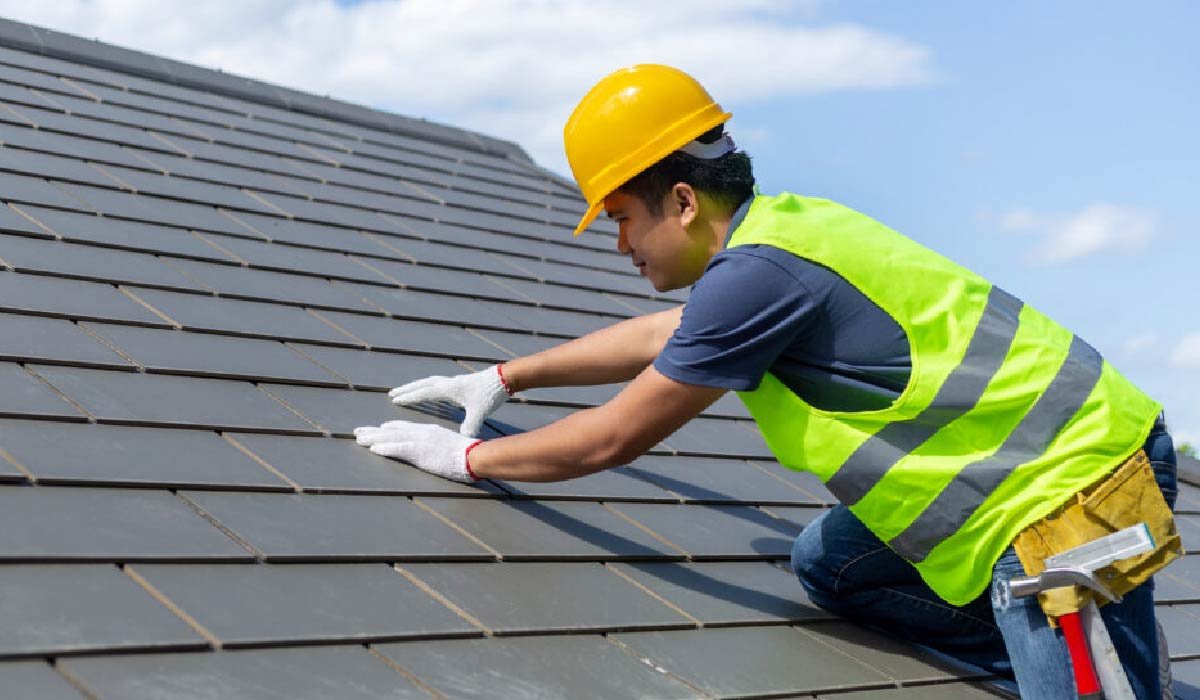
A roof plays a critical role in protecting a property from rain, wind, sunlight, temperature changes, and other environmental conditions, but even well-maintained roofing materials eventually reach a point where repairs are no longer the most practical solution. Aging shingles, repeated leaks, widespread deterioration, damaged decking, poor ventilation, and storm-related wear can all contribute to the need for a new roofing system. When these conditions become extensive, a professionally planned shingle roof replacement can provide an opportunity to restore the property’s protective barrier while addressing problems that may have developed beneath the existing materials. Replacement should not be viewed simply as removing old shingles and installing new ones. A successful project involves evaluating the roof deck, flashing, ventilation, drainage, underlayment, edge details, and other components that influence long-term performance. Proper preparation and installation can help create a roofing system that performs reliably while reducing the likelihood of premature deterioration. Homeowners who understand the replacement process can make more informed decisions about materials, project preparation, maintenance, and future roofing needs.
Understanding When Replacement Becomes Necessary
Determining whether a roof requires replacement involves more than identifying a single damaged shingle or isolated leak. Roofing systems naturally experience gradual wear, and the condition of the entire surface should be considered before deciding how extensive the work needs to be. Shingles that are cracked, curled, brittle, loose, or missing may indicate that the roof is becoming increasingly vulnerable to moisture intrusion. Granule loss can also reduce the protective qualities of asphalt shingles, while repeated repairs in different areas may suggest that the underlying system is approaching the end of its useful service life. Persistent leaks, deteriorated flashing, sagging areas, and visible damage to the roof deck can provide additional evidence that broader work may be appropriate. Professional evaluation is valuable because some problems remain hidden beneath the surface and cannot be accurately judged from ground level. An experienced roofing professional can examine the age, material condition, installation quality, drainage, ventilation, and previous repair history before explaining whether targeted repairs or complete replacement would provide a more practical long-term solution.
Evaluating the Existing Roofing System
Before replacement begins, the existing roofing system should be assessed carefully so that the new installation can address conditions that may have contributed to previous problems. Removing old shingles provides access to the underlying materials and can reveal deteriorated decking, damaged underlayment, inadequate flashing, moisture exposure, or other concerns that were not visible from the exterior. The condition of the roof deck is particularly important because new shingles require a stable and suitable surface for proper installation. If sections of decking have become weakened through long-term moisture exposure, those areas may need to be repaired or replaced before new roofing materials are installed. Flashing around chimneys, vents, walls, valleys, and other penetrations should also be examined because these locations are common points of water entry. Taking time to evaluate the complete system can prevent a new roof from being installed over unresolved problems. A replacement project creates an opportunity to correct deficiencies that may have affected the previous roof and establish a stronger foundation for future performance.
Choosing Suitable Shingle Materials
The selection of new shingles is an important part of the replacement process because different products can offer different combinations of durability, appearance, weather resistance, warranty coverage, and installation requirements. Asphalt shingles remain a widely used roofing material because they are available in various styles and can provide a practical balance between performance and cost. Architectural shingles, for example, can offer a dimensional appearance and are available in numerous profiles and designs. When selecting materials, homeowners should consider more than appearance alone. The expected weather exposure, roof slope, ventilation conditions, manufacturer requirements, maintenance expectations, and overall property design can all influence whether a particular product is appropriate. It is also important to verify that the selected shingles are compatible with the rest of the roofing system and can be installed according to manufacturer specifications. Professional guidance can help property owners understand the differences between available products and select materials that support the intended goals of the replacement project. A well-matched roofing material can contribute to both exterior appearance and long-term protective performance.
Preparing the Roof Deck
The roof deck serves as the supporting surface beneath the shingles and plays a major role in the stability of the completed roofing system. During replacement, the deck should be inspected for signs of moisture damage, rot, warping, cracking, or other deterioration. Even if the existing shingles appear to be the primary problem, hidden damage may exist beneath them because water can travel through small openings and remain within the roofing assembly. Installing new shingles over compromised decking can create unnecessary problems because the new surface may not have the stable foundation required for proper performance. Where damaged areas are identified, appropriate repairs should be completed before the new roofing materials are installed. The replacement process should also account for the condition of fasteners, edges, and transitions so that the finished roof has a consistent and reliable foundation. Careful preparation of the deck may require additional work, but it can help reduce the risk of transferring old structural problems into the new roofing system. This stage is therefore an important part of achieving a durable result.
The Importance of Underlayment
Underlayment provides an additional protective layer beneath shingles and helps manage moisture that may pass beneath the primary roofing surface. Its condition becomes particularly important during a replacement project because old underlayment may be worn, damaged, or no longer suitable for continued use. Installing appropriate new underlayment can strengthen the overall moisture-management strategy and provide additional protection beneath the shingles. Different roofing systems may have specific underlayment requirements, and installation should follow applicable manufacturer instructions and accepted roofing practices. Areas such as valleys, eaves, and other vulnerable sections may require particular attention because water movement can be more concentrated in these locations. Proper installation also helps ensure that the underlayment works together with flashing and shingles rather than creating gaps or unnecessary pathways for moisture. Although it is not highly visible after the project is completed, underlayment is an important part of the roofing assembly. A replacement project should therefore address the complete protective system rather than focusing exclusively on the appearance of the new shingles.
Inspecting Flashing and Roof Penetrations
Flashing protects areas where the roofing surface meets other building components, including chimneys, walls, vents, skylights, and other penetrations. These transitions are particularly important because water can exploit small openings around changes in materials or roof geometry. During replacement, existing flashing should be evaluated carefully rather than automatically reused. Damaged, corroded, improperly installed, or deteriorated flashing may contribute to leaks even when the surrounding shingles are new. Replacing or correcting vulnerable flashing can help create a more complete water-resistant system. Roof penetrations should also be examined because seals around vents and similar components can deteriorate over time. A new roof cannot perform as intended if older damaged components continue to provide pathways for moisture. Professional installation considers how shingles, flashing, underlayment, and penetrations interact so that water is directed away from vulnerable areas. Addressing these details during replacement can help reduce the possibility of recurring leaks and improve the overall reliability of the finished roofing system.
Improving Roof Ventilation
Ventilation is another factor that deserves attention when replacing an aging roof. Proper attic ventilation helps manage heat and moisture and can contribute to healthier conditions beneath the roofing system. When ventilation is inadequate, excessive heat and moisture may accumulate in the attic, potentially affecting insulation, wood components, and roofing materials. During replacement, existing vents can be evaluated to determine whether they are functioning properly and whether the overall ventilation strategy is suitable for the building. This does not mean every property requires additional vents, because ventilation requirements depend on the design and configuration of the roof and attic. Instead, the goal is to establish balanced airflow that supports the intended performance of the building envelope. Addressing ventilation concerns during replacement can be more efficient than discovering them after the new shingles have already been installed. A complete roofing assessment therefore considers both the exterior surface and the environmental conditions immediately beneath it. Proper ventilation can complement the new roofing materials and support their long-term serviceability.
Managing Roof Drainage
Water management is essential to roofing performance, and drainage should be considered carefully during a replacement project. Gutters, downspouts, valleys, roof slopes, and other components work together to move precipitation away from the roof and building. When gutters are clogged, damaged, or poorly positioned, water may overflow or remain near vulnerable roofing areas. Valleys also require careful installation because they collect and direct significant amounts of water during rainfall. During replacement, drainage components should be inspected for damage and evaluated in relation to the new roofing system. Correctly positioned shingles and flashing help direct water along intended pathways rather than allowing it to enter beneath the surface. Downspouts should also discharge water safely away from the structure. A new roof provides an opportunity to correct drainage issues that may have contributed to deterioration of the old system. Combining quality roofing materials with effective water management can help reduce unnecessary moisture exposure and support better performance over time.
Understanding the Installation Process
Professional installation has a major influence on the performance and longevity of a new roofing system. Even high-quality shingles may not perform properly if they are installed incorrectly or if important supporting components are overlooked. Installation involves more than placing shingles across the roof surface. It requires appropriate preparation, alignment, fastening, flashing, underlayment placement, ventilation consideration, and attention to roof edges and transitions. Manufacturer specifications should be followed carefully because installation requirements can vary between products. Proper fastening is particularly important because improperly positioned or insufficient fasteners can leave shingles vulnerable to wind and moisture. The arrangement of shingles should also create appropriate overlapping layers that direct water downward and away from vulnerable areas. Experienced roofing professionals understand how individual components work together and can identify potential concerns during installation rather than after the project is complete. Careful workmanship helps establish a consistent roofing surface while supporting the protective function of the complete system.
Preparing the Property for Replacement
Property owners can take several steps to make a roofing replacement project more organized and efficient. Before work begins, outdoor furniture, decorations, equipment, and other items near the building may need to be moved to create safe working space. Access points should remain clear so roofing crews can transport materials and equipment without unnecessary obstacles. Inside the property, homeowners may choose to protect fragile items, especially in attic spaces where vibrations from roofing work can cause dust or small particles to move. Children and pets should also be kept away from active work areas because roofing projects involve tools, materials, ladders, and elevated surfaces. Communication with the roofing contractor is useful for understanding the expected schedule, material delivery process, preparation requirements, and cleanup procedures. Weather can also influence the timing of exterior work, so project schedules may need some flexibility. Good preparation does not replace professional workmanship, but it can help reduce disruptions and make the overall replacement process more manageable.
Maintaining the New Roofing System
A new roof should not be considered maintenance-free simply because its materials are fresh. Regular care remains important for preserving the condition of shingles, flashing, drainage components, and other parts of the system. Gutters should be cleaned periodically to prevent water from backing up against the roof, while downspouts should remain clear so precipitation can move away efficiently. Nearby branches should be monitored because falling limbs and repeated contact can damage shingles. Homeowners should also watch for signs of loose or missing shingles, damaged flashing, unusual moisture, or changes in attic conditions. After major storms, a professional evaluation can help identify damage that may not be obvious from the ground. Maintaining records of inspections and repairs can also provide useful information about the roof’s history and future needs. Preventive maintenance is valuable because small concerns are generally easier to address before they develop into extensive damage. Consistent attention can help preserve the appearance and protective function of the new roofing system.
Planning for Long-Term Performance
A roofing replacement project can be an opportunity to think about the property’s broader exterior maintenance strategy. The roof works together with siding, gutters, insulation, ventilation, flashing, and other components to protect the building from moisture and weather exposure. If one part of this system is neglected, it can eventually affect other areas. For example, poor drainage may increase moisture exposure around the roof and walls, while inadequate attic ventilation can create unfavorable conditions beneath the roofing surface. Homeowners can use the replacement process to identify related concerns and establish a practical maintenance schedule. This does not mean every exterior component needs to be replaced at the same time. Instead, understanding how these systems interact can help property owners prioritize improvements according to actual conditions. Professional roofing services can provide useful guidance regarding inspection intervals, maintenance needs, potential repairs, and future replacement planning. Taking a long-term approach allows homeowners to protect their investment while reducing the likelihood of unexpected roofing problems.
Conclusion
A successful roofing replacement involves much more than installing a new layer of shingles over an aging surface. It requires careful evaluation of the roof deck, underlayment, flashing, ventilation, drainage, penetrations, and other components that contribute to overall performance. When deterioration becomes widespread, professional shingle roof replacement can provide an opportunity to correct existing weaknesses and establish a more dependable roofing system. Selecting suitable materials, preparing the underlying structure properly, following installation requirements, and maintaining the completed roof can all contribute to long-term results. Homeowners should also recognize that regular inspections and preventive maintenance remain valuable even after replacement because weather exposure continues throughout the life of the roof.
A properly planned project can improve protection, appearance, and reliability while giving property owners greater understanding of their roofing needs. By treating replacement as a complete roofing-system improvement rather than a simple surface change, homeowners can make practical decisions that support the property’s protection and long-term maintenance goals. Professional shingle roof replacement can therefore serve as an important step toward maintaining a strong, functional, and durable roofing system.
