


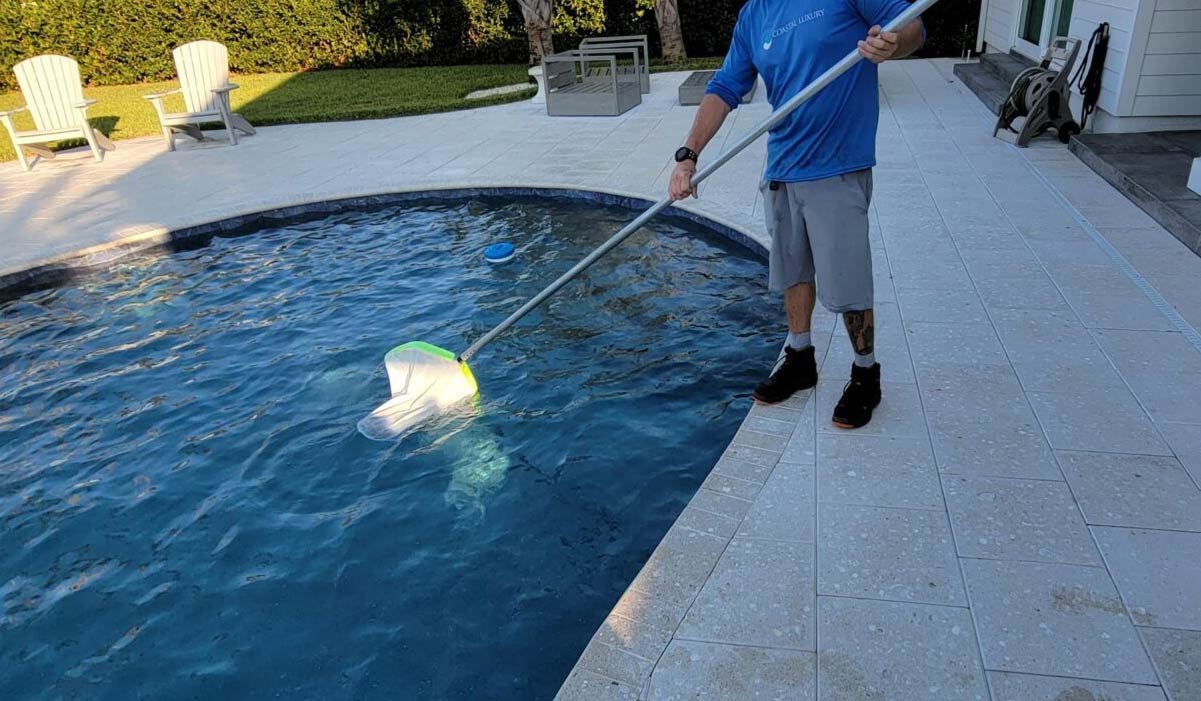
A swimming pool is a complex property feature that depends on many interconnected components working together correctly. Pumps, filters, plumbing, drains, valves, surfaces, heaters, lighting, and other equipment all contribute to the pool’s operation, and a problem with one component can eventually affect other parts of the system. Over time, normal use, environmental exposure, water chemistry, equipment age, and seasonal changes can contribute to wear or damage. Some problems may be immediately visible, while others develop gradually and become noticeable through changes in water level, circulation, equipment noise, or water quality. Addressing these conditions promptly can help prevent minor issues from becoming more disruptive and expensive problems. A professional repair process should begin with a careful inspection to identify the actual cause of the issue rather than simply treating the most obvious symptom. By combining accurate diagnosis, appropriate repairs, and preventive maintenance, property owners can help restore reliable pool performance and protect the long-term condition of their investment.
Recognizing Early Signs of Pool Problems
Many pool problems provide warning signs before they become serious. A sudden drop in water level may suggest a leak, while reduced water circulation could indicate a problem with the pump, filter, plumbing, or another component. Unusual noises from mechanical equipment may point to worn parts or operating problems, while cloudy water can sometimes be associated with filtration or circulation concerns. Cracks, loose tiles, damaged fittings, and unusual stains can also indicate that a surface or structural component requires attention. Property owners should avoid assuming that every unusual condition is simply part of normal pool operation. Observing changes early and arranging an inspection can make it easier to determine whether a repair is necessary. Keeping records of previous maintenance and repairs can also help technicians understand the history of the system and identify recurring concerns.
Why Professional Diagnosis Matters
Repairing a swimming pool effectively requires understanding how its different systems interact. A visible problem does not always reveal the underlying cause. For example, poor circulation could result from a clogged filter, damaged pump component, blocked line, valve issue, or another restriction within the system. Similarly, water loss may have several possible causes that need to be investigated before a repair is selected. Professional technicians can inspect the pool, equipment, plumbing, and surrounding components to identify the source of the problem. This diagnostic process helps prevent unnecessary repairs and ensures that the recommended solution addresses the actual condition. A proper diagnosis also allows property owners to understand the scope of the work before repairs begin. Instead of replacing components based on assumptions, professional evaluation provides a more informed basis for deciding what needs to be repaired, adjusted, or replaced.
Repairing Pool Pumps and Circulation Equipment
The pump is one of the most important mechanical components in a swimming pool because it helps move water through the filtration and treatment system. Problems with the pump can affect circulation, filtration, water quality, and overall pool performance. Signs of trouble may include unusual sounds, reduced water flow, leaks, overheating, or inconsistent operation. Depending on the condition, a repair may involve addressing a worn component, replacing a damaged part, correcting a connection, or performing other technical work. Prompt attention can help prevent additional strain on connected equipment. Pumps should also be evaluated as part of routine maintenance so that developing issues can be identified before complete failure occurs. Professional technicians can determine whether a pump can be repaired effectively or whether replacement may be more appropriate based on its condition and age.
Addressing Filter Problems
Pool filters remove particles from circulating water and play a major role in maintaining clarity. When a filter becomes damaged, excessively dirty, or restricted, circulation can become less effective and water quality may deteriorate. Increased pressure readings, reduced flow, cloudy water, or frequent need for cleaning can indicate that a filter requires attention. The appropriate repair or service depends on the type of filtration system and the condition of its components. A professional inspection can determine whether the filter needs cleaning, repair, replacement of a component, or more extensive service. Maintaining filters properly can also reduce unnecessary strain on the pump because restricted flow may cause the circulation system to work harder than necessary. Addressing filter problems early supports the broader performance of the pool system and can help maintain more consistent water quality.
Finding and Repairing Water Leaks
Water loss is one of the concerns that should not be ignored because unexplained changes in water level can indicate a leak. Normal evaporation can cause some water loss, but an unusually rapid or persistent decrease may require further investigation. Leaks can occur in plumbing lines, fittings, equipment connections, pool surfaces, or other areas depending on the design of the system. Identifying the source may require a detailed inspection because water can travel away from the original point of failure before becoming visible. Professional technicians can evaluate the system and determine the appropriate method for locating and addressing the leak. Prompt repair can help reduce unnecessary water loss and prevent surrounding components from being affected by prolonged exposure to moisture. Early attention is particularly important when the water level continues to drop despite normal maintenance practices.
Repairing Pool Surfaces
Pool surfaces can experience wear from regular use, environmental exposure, water chemistry, and age. Cracks, chips, loose tiles, damaged grout, rough areas, or other surface changes may develop over time. While some cosmetic changes may not require immediate repair, structural or significant surface damage should be evaluated to determine whether further action is necessary. Damaged surfaces can also become harder to clean and may allow debris or contaminants to collect in affected areas. Professional inspection can help distinguish routine wear from conditions that require repair or renovation. Depending on the pool’s construction and the extent of the damage, solutions may range from localized repairs to more extensive resurfacing or renovation work. Addressing surface problems as part of a planned maintenance strategy can help preserve both appearance and functionality.
Plumbing and Valve Repairs
Pool plumbing controls how water moves between the pool, pump, filter, heater, and other equipment. A damaged pipe, leaking connection, faulty valve, or blockage can interfere with circulation and place additional strain on the system. Changes in water pressure or flow may indicate that something within the plumbing network requires attention. Because much of the plumbing may not be immediately visible, professional diagnosis can be important when investigating circulation problems or suspected leaks. Technicians can evaluate accessible connections and system performance to determine where further inspection may be necessary. Repairing plumbing issues promptly can restore proper water movement and help protect pumps, filters, and other equipment from unnecessary stress. Maintaining valves and connections also supports more efficient operation when the pool is being cleaned, filtered, or prepared for seasonal changes.
Heater and Temperature System Repairs
Pool heating equipment can improve comfort and extend the period during which a pool can be used, but heaters require proper maintenance and occasional repairs. A heater that fails to reach the desired temperature, shuts down unexpectedly, or operates inconsistently may have a mechanical or electrical issue that requires professional evaluation. Because heating systems can involve specialized components, repairs should be approached carefully rather than through trial and error. Technicians can inspect the system, identify the source of the problem, and determine whether repair or component replacement is appropriate. Regular equipment care can also help identify wear before a heater stops functioning completely. Maintaining the heating system as part of broader pool care helps property owners keep temperature-related equipment reliable and ready when needed.
Electrical and Lighting Concerns
Pool lighting and electrical equipment can improve visibility, convenience, and functionality, but electrical components require careful attention when problems occur. Flickering lights, failed fixtures, malfunctioning controls, or other electrical concerns should be evaluated by qualified professionals. Water and electricity require particularly careful handling, so property owners should not attempt unsafe repairs or modifications without appropriate expertise. Professional technicians can assess accessible components and determine what type of service may be necessary. Addressing electrical concerns promptly can help maintain reliable operation and reduce the risk associated with continuing to use damaged components. Electrical systems should also be considered during broader pool inspections, particularly when equipment is being upgraded or renovated.
Residential Pool Repair Needs
Residential swimming pools can develop repair needs for many different reasons, including age, heavy use, weather exposure, equipment wear, and changes in water conditions. Homeowners may notice problems through unusual sounds, water loss, damaged surfaces, or changes in filtration performance. A professional pool repair service can help identify the underlying issue and determine an appropriate solution. Professional assistance is particularly valuable when the problem involves mechanical equipment, plumbing, electrical components, or hidden leaks that are difficult to diagnose without specialized knowledge. Addressing repairs before the pool experiences a period of heavy use can also reduce the possibility of unexpected interruptions. Homeowners can support long-term pool performance by combining repairs with regular cleaning, inspections, water management, and preventive maintenance.
Commercial Pool Repair Requirements
Commercial pools may face higher equipment demands because of frequent use and longer operating schedules. When a pump, filter, heater, plumbing component, or other system develops a problem, the impact can extend beyond the equipment itself and interfere with normal facility operations. Commercial properties therefore benefit from regular inspections and prompt attention to developing concerns. Repair planning should consider the severity of the issue, the role of the affected component, and the operational requirements of the facility. Maintaining records of repairs and equipment service can also help facility managers identify recurring problems and plan future improvements. Professional repair services can coordinate technical work with broader pool maintenance responsibilities, helping commercial properties manage repairs in an organized manner.
Preventing Future Repair Problems
Repairs are important, but prevention can reduce the frequency and severity of future problems. Regular cleaning, water testing, equipment inspections, filter care, and seasonal preparation all contribute to preventive pool management. Appropriate water chemistry can help protect surfaces and equipment from unnecessary deterioration, while consistent cleaning can reduce debris buildup that may affect circulation. Monitoring equipment performance can also provide early warning of mechanical concerns. Property owners should pay attention to changes rather than waiting for complete failures. A proactive maintenance schedule allows technicians to inspect components regularly and address minor concerns before they become major disruptions. Preventive care does not eliminate every possible repair, but it can support better system performance and make maintenance needs more predictable.
When Replacement May Be Better Than Repair
Not every damaged component should automatically be repaired. Equipment that is very old, repeatedly failing, inefficient, or no longer supported may be more practical to replace. A professional evaluation can help property owners compare the condition of the existing component with the expected benefits of a replacement. Factors such as repair frequency, operating efficiency, availability of replacement parts, and the overall condition of the system may influence the decision. Replacement can sometimes provide more reliable long-term performance when continued repairs would only provide temporary solutions. However, the decision should be based on the actual condition and needs of the pool rather than simply replacing equipment because it has reached a certain age. Professional guidance can help property owners understand the available options and plan improvements appropriately.
Combining Repairs With Regular Maintenance
A repaired pool still requires consistent care after the work is completed. Cleaning, water testing, filtration, equipment inspections, and seasonal services help protect repaired components and reduce the possibility of recurring problems. After completing a repair, technicians can also evaluate whether related components require attention. For example, resolving a circulation problem may provide an opportunity to inspect the filter, valves, plumbing connections, and pump performance. Combining repair work with broader maintenance can create a more complete approach to pool management. Property owners should also keep documentation of repairs, replacement parts, equipment upgrades, and service dates. This information can be valuable during future inspections because it provides a history of the system and helps technicians understand what work has already been performed.
Conclusion
Swimming pool problems can range from minor surface concerns to complex equipment or plumbing issues, and each situation requires an appropriate response. Recognizing early warning signs, obtaining an accurate diagnosis, and addressing problems promptly can help protect the pool from additional damage and unnecessary disruption. Pumps, filters, plumbing, heaters, surfaces, electrical components, and other systems should all be considered when evaluating overall pool condition. Professional repairs can restore functionality while also providing an opportunity to identify related maintenance needs.A dependable pool repair strategy works best when it is combined with regular cleaning, water treatment, equipment inspections, and preventive maintenance. Property owners who address problems early can make pool care more predictable and reduce the risk of unexpected failures during periods of heavy use. Whether the pool is residential or commercial, professional evaluation and timely repairs can help preserve its performance, usability, and long-term condition. By treating repairs as part of a broader maintenance plan rather than an isolated emergency response, property owners can support a more reliable swimming environment throughout the year.
