


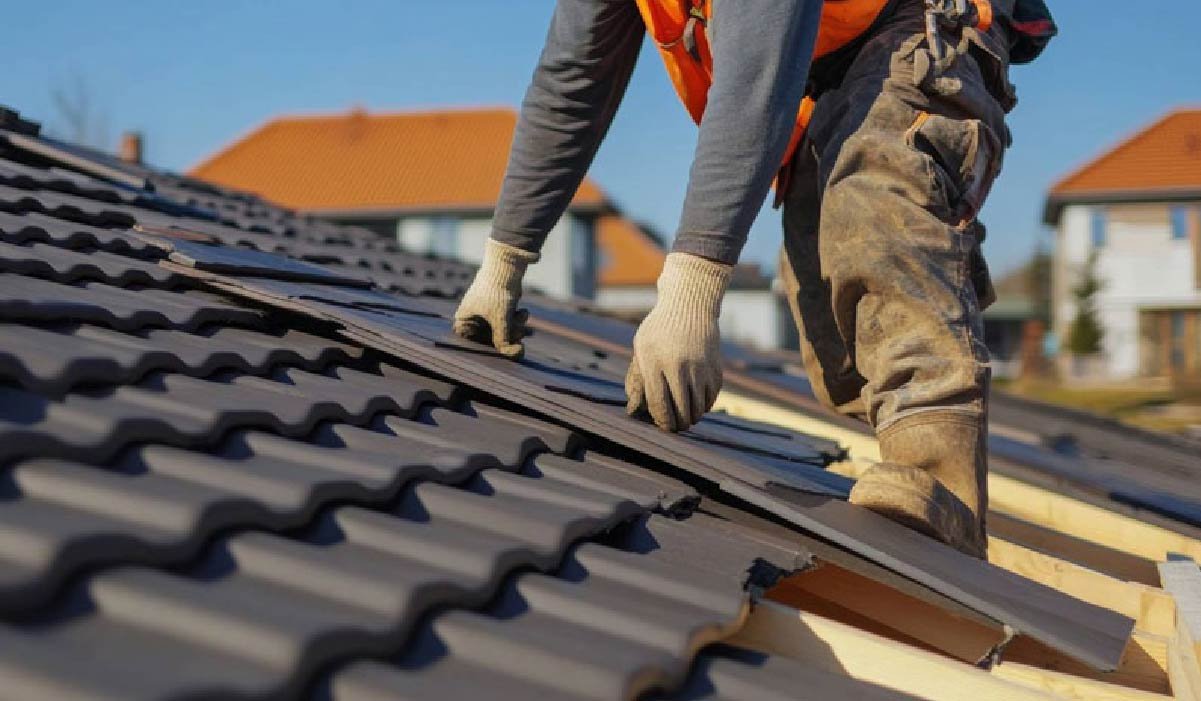
A roof is one of the most important protective components of a property, shielding the structure from rain, wind, sunlight, temperature changes, and other environmental conditions. Over time, even a well-maintained roofing system can experience natural aging, material deterioration, storm damage, or recurring maintenance issues. When repairs are no longer sufficient to address widespread problems, replacing the roofing system can provide an opportunity to restore reliable protection while improving the property’s exterior appearance. A successful roof replacement involves much more than removing old shingles and installing new materials. The condition of the roof deck, underlayment, flashing, ventilation, drainage, insulation, and surrounding exterior components should all be considered before work begins. Careful planning allows homeowners to select appropriate materials, address hidden problems, coordinate related improvements, and establish a roofing system designed for long-term performance.
Recognizing When a Roof May Need Replacement
Determining whether a roof requires complete replacement begins with evaluating its overall condition. Individual damaged shingles or isolated flashing problems can sometimes be repaired without replacing the entire system. However, widespread cracking, curling, missing materials, recurring leaks, extensive granule loss, sagging areas, or advanced aging may indicate that the roofing system has reached the point where replacement should be considered. Homeowners should also consider how frequently repairs have been required and whether previous repairs have successfully addressed recurring issues. A roof that continually develops new problems may require more attention than its current appearance suggests. Professional inspection can provide a more complete understanding of the roof’s condition and help determine whether localized repairs or a complete replacement would be appropriate.
Evaluating the Existing Roof Structure
Before installing a new roofing system, the condition of the underlying structure should be carefully evaluated. The roof deck provides the foundation for the new materials, and damaged or deteriorated sections may need to be repaired or replaced. Moisture exposure can sometimes weaken decking without producing obvious exterior signs, particularly when leaks have been present for an extended period. Once existing roofing materials are removed, contractors may discover conditions that were not visible during the initial inspection. Homeowners should understand that these findings can affect the final project scope. Properly addressing structural or decking concerns before new materials are installed helps create a stronger foundation and reduces the likelihood that concealed problems will affect the new roof later.
Choosing the Right Roofing Material
A roof replacement provides homeowners with an opportunity to reconsider the material used on the property. Asphalt shingles remain a popular choice because they offer a range of styles, colors, and performance characteristics. Metal roofing can provide a different appearance and may offer long-term durability depending on the system selected. Other materials may also be suitable for specific architectural or performance requirements. Homeowners should consider factors such as expected service life, maintenance, weather exposure, appearance, installation requirements, and budget when comparing options. The most expensive material is not automatically the most appropriate, and the lowest initial price may not provide the best long-term value. A professional roofing assessment can help property owners understand the practical differences between available systems.
Understanding the Importance of Underlayment
Underlayment provides an additional protective layer between the roof deck and the visible roofing material. It can help protect the underlying structure from moisture that may reach beneath shingles or other roof coverings. The appropriate underlayment depends on the roofing system, roof design, manufacturer’s requirements, and other project considerations. Proper installation is important because underlayment must work with flashing, roof edges, valleys, penetrations, and other components to provide effective protection. Although it will eventually be hidden beneath the finished roof, it remains an important part of the complete assembly. Homeowners comparing roofing proposals should therefore consider the quality and type of underlayment included in the project rather than focusing exclusively on the visible roofing material.
Paying Attention to Flashing
Flashing protects areas where the roof meets other surfaces or where openings interrupt the roofing plane. Chimneys, skylights, vents, walls, valleys, roof edges, and other transitions can create opportunities for water to enter if they are not properly detailed. During a replacement project, existing flashing should be inspected carefully rather than automatically reused. Damaged, deteriorated, or improperly installed flashing may need to be replaced to provide reliable protection. Correct flashing installation directs water away from vulnerable areas and helps connect the roofing system with surrounding exterior components. Because leaks frequently develop around transitions and penetrations, attention to flashing can have a significant influence on the long-term performance of the completed roof.
Improving Roof Ventilation
Ventilation is another important consideration during a roofing project. Heat and moisture can accumulate in attic areas when airflow is inadequate, potentially affecting insulation, roof decking, and other components. An appropriate ventilation strategy helps manage these conditions by supporting air movement through the roof assembly. The exact requirements depend on the roof design, attic configuration, insulation, existing vents, and other building characteristics. Replacing a roof provides an opportunity to evaluate whether the existing ventilation system is appropriate or whether improvements may be necessary. Ventilation should be treated as part of the complete roofing system rather than an optional feature added after installation. A properly planned approach can support the condition of the roof and surrounding attic components over time.
Managing Water Drainage
Effective drainage is essential for protecting the roof and other parts of the building envelope. Gutters, downspouts, valleys, drip edges, and roof slopes all influence how water moves away from the property. During a roofing project, these components should be evaluated to identify potential drainage problems. Clogged or improperly positioned gutters can allow water to remain near roof edges and fascia, while damaged downspouts can direct runoff toward exterior walls or foundation areas. Coordinating roof work with gutter improvements can help create a more complete water-management strategy. Homeowners should discuss drainage with their contractor before installation begins so that roof-edge details and exterior water-handling systems work together effectively.
Coordinating Roofing With Siding
Roofing and siding are closely connected because both systems contribute to exterior protection. Roof edges, soffits, fascia, flashing, and siding transitions require careful coordination, particularly when both systems are being renovated. If siding replacement is also planned, homeowners should discuss the sequence of work with their contractors. Completing related projects in an appropriate order can make it easier to address transitions and prevent newly installed materials from being damaged during subsequent work. Coordinating these improvements can also create a more unified exterior appearance. The roof should not be considered independently from the walls because water can move between these systems and affect multiple components when transitions are not properly detailed.
Considering Energy and Indoor Comfort
Although a roof’s primary role is protection, its condition can also influence the indoor environment. Damaged roofing, inadequate insulation, poor ventilation, and moisture intrusion can affect attic conditions and potentially contribute to uncomfortable indoor temperatures. During a replacement project, homeowners may have an opportunity to evaluate insulation and ventilation at the same time. Improving these related components can support the performance of heating and cooling systems and help maintain more consistent indoor conditions. A roof replacement does not automatically resolve every comfort or energy concern, but it provides an opportunity to identify conditions that may have been overlooked. Evaluating the roof as part of the larger building envelope can help homeowners make more informed decisions about related improvements.
Planning for Weather Exposure
A new roof must be selected and installed with environmental exposure in mind. Sunlight, wind, rain, temperature changes, and seasonal weather can all affect roofing materials over time. Homeowners should select products appropriate for the property’s conditions and ensure that installation follows the manufacturer’s requirements. Proper fastening, flashing, roof-edge protection, and drainage become particularly important when the roof is regularly exposed to demanding weather. While no roofing material can eliminate the effects of natural aging, appropriate material selection and installation can help the system perform as intended. A professional contractor can also explain which maintenance practices are appropriate for the selected roofing material and how homeowners can monitor the roof after installation.
Planning the Project Carefully
Good planning can make the roofing process more organized and help homeowners avoid unnecessary complications. Before work begins, property owners should identify their primary goals and discuss them with the contractor. These may include addressing persistent leaks, replacing an aging roof, improving exterior appearance, coordinating siding work, improving drainage, or preparing the property for long-term ownership. The project scope should clearly identify materials, removal procedures, deck preparation, underlayment, flashing, ventilation, installation, cleanup, and warranty information. Homeowners should also ask how unexpected structural or decking problems will be handled if they are discovered after the existing roof is removed. Understanding these details in advance makes it easier to compare proposals and plan for the complete project.
Selecting an Experienced Roofing Professional
The quality of workmanship can have a major effect on the performance of a new roof. Homeowners should choose professionals who can clearly explain the proposed roofing system, installation process, materials, preparation requirements, and maintenance expectations. A contractor should inspect the existing roof and surrounding exterior rather than relying solely on a brief visual assessment from the ground. Written estimates can help clarify the complete scope of work and identify which materials and services are included. Homeowners should also ask about installation procedures, warranties, cleanup, and how the contractor handles unexpected conditions. Experience with the selected roofing material is particularly valuable because installation requirements can vary significantly between systems. Careful contractor selection can help reduce installation-related problems and support a more reliable finished roof.
Maintaining the New Roof
A new roof still requires regular attention to remain in good condition. Homeowners should periodically inspect the roof for visible damage, missing or displaced materials, deteriorated flashing, debris accumulation, and drainage problems. Gutters and downspouts should be kept clear so water can move away efficiently. Trees should also be maintained so that branches do not continuously contact or scrape the roofing surface. After severe weather, a professional inspection may be useful if there are concerns about hidden damage. Promptly addressing small problems can help prevent them from developing into more extensive repairs. Maintenance requirements vary depending on the roofing material, so homeowners should follow appropriate manufacturer recommendations and professional guidance.
Evaluating Long-Term Value
The cost of a roofing project should be evaluated according to its complete long-term value rather than the initial installation price alone. Homeowners should consider roofing materials, labor, removal, disposal, underlayment, flashing, ventilation, deck repairs, drainage improvements, maintenance, and expected service life. A lower-priced proposal may not provide the same value if it excludes important components or uses materials that do not meet the property’s needs. At the same time, a premium product should be evaluated according to its actual performance characteristics rather than price alone. Comparing detailed proposals allows homeowners to understand what each contractor is providing and identify differences in materials, workmanship, warranties, and project scope. A well-planned investment should balance performance, appearance, maintenance, and budget.
Creating a Complete Exterior Improvement Strategy
Roof replacement can be part of a broader strategy for improving the property’s exterior. Homeowners may also be considering siding, windows, gutters, doors, soffits, fascia, insulation, or other improvements. Replacing every component at the same time is not always necessary, but understanding how these systems interact can help establish an efficient order of work. For example, coordinating roofing with siding can make it easier to address flashing and wall transitions while both systems are accessible. Similarly, evaluating gutters during the roofing project can help identify drainage concerns before new materials are installed. A coordinated exterior plan allows homeowners to prioritize improvements according to condition, budget, appearance, and long-term goals while reducing unnecessary disruption.
Conclusion
A successful roof replacement requires careful planning, appropriate materials, thorough preparation, and professional installation. The visible roofing material is only one part of the complete system, with decking, underlayment, flashing, ventilation, drainage, and exterior transitions all contributing to long-term performance. Homeowners should evaluate the condition of the existing roof, consider the appropriate replacement material, and understand how the new system will interact with siding, gutters, windows, and other exterior components. Regular maintenance after installation can further support the roof’s appearance and performance while helping identify developing issues early. By approaching the project as a complete exterior improvement rather than simply replacing worn materials, homeowners can create a roofing system designed to provide dependable protection, attractive appearance, and lasting value. Professional roof replacement can help ensure that important details are addressed throughout the process and that the finished system is prepared to perform for years to come.
