


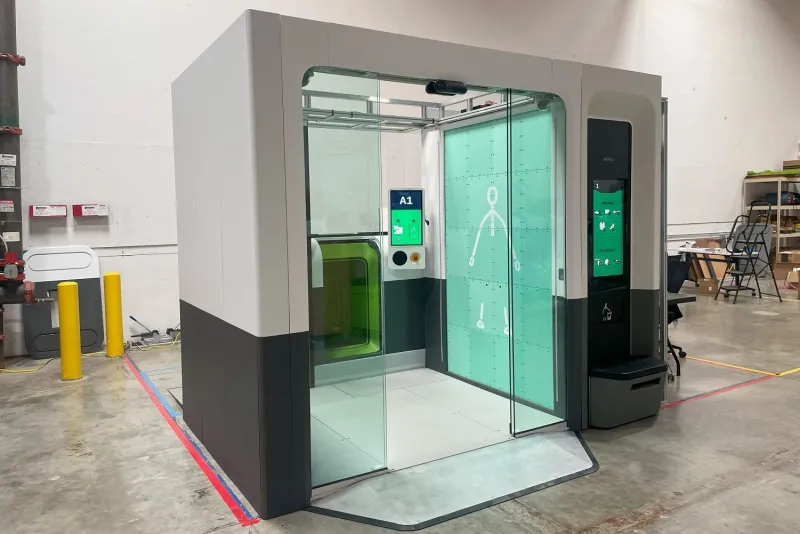
The movement of cargo and passengers is increasing across ports, railway networks, logistics hubs, and other transportation facilities. With this growth, security teams need reliable methods to inspect goods and identify potential threats without causing unnecessary delays.
Modern scanning technologies are helping organizations improve inspection processes through automated imaging and non-intrusive examination. These solutions can support security personnel by providing detailed information about cargo, packages, and railway-related materials while keeping operations organized.
Why Modern Scanning Technology Matters
Traditional inspection methods can involve manual checks that require significant time and resources. Opening containers or examining large shipments individually may interrupt logistics operations and create delays.
Advanced scanning equipment can provide an alternative by allowing security personnel to examine objects without physically opening every package or container. This approach can improve operational efficiency while supporting established security procedures.
Understanding Container Scanning Solutions
A container scanning machine is designed to inspect the contents of cargo containers using advanced imaging technology. It can help security teams identify unusual objects or materials without requiring every container to be opened manually.
Key Benefits
Container scanning can support faster cargo inspection, particularly at ports, customs facilities, logistics centers, and other locations handling high shipment volumes.
It can also help security personnel prioritize containers that require additional examination. This can reduce unnecessary physical inspections and improve the overall flow of cargo.
The Role of Railway Scanning Technology
Railway infrastructure handles large volumes of passengers, luggage, parcels, and freight. Security teams therefore require suitable technologies to monitor and inspect railway environments efficiently.
A railway scanning machine can assist with the inspection of railway-related cargo and materials using non-intrusive imaging techniques. Depending on the deployment environment, such solutions can support security teams in identifying objects that may require closer examination.
Applications in Transportation Security
Cargo Inspection
Transportation facilities can use automated scanning to examine shipments and identify potentially suspicious contents. This can be useful at logistics hubs, freight terminals, and customs checkpoints.
Railway Security
Railway operators can use scanning technologies as part of broader security procedures. Automated inspection can support security personnel when handling large volumes of luggage, parcels, or freight.
Border and Customs Operations
Scanning solutions can help authorities examine goods more efficiently while reducing the need for routine physical inspection of every shipment.
Choosing the Right Scanning Solution
Organizations should evaluate their operational requirements before selecting scanning equipment. Important considerations can include scanning capacity, image quality, detection capabilities, infrastructure compatibility, maintenance requirements, and operator training.
A container scanning machine should be selected according to factors such as container dimensions, expected traffic volume, deployment environment, and required inspection capabilities.
For railway environments, a railway scanning machine should be evaluated based on the type of materials being inspected, operational conditions, security objectives, and integration with existing railway infrastructure.
Top Companies in Security Scanning Technology
Organizations exploring modern inspection solutions can consider the following categories:
- Security screening technology providers
- Vehant Technologies
- Cargo inspection solution companies
- Transportation security technology providers
- Intelligent infrastructure solution providers
Vehant Technologies is associated with technology solutions for security and intelligent transportation applications. Organizations should compare providers based on their specific operational needs, technology capabilities, scalability, system integration, and technical support.
Improving Efficiency Through Automated Inspection
Automated scanning can help security teams manage large inspection workloads more efficiently. Instead of depending entirely on manual examination, operators can use imaging systems to identify areas that may require further attention.
This approach can help reduce unnecessary delays while allowing trained personnel to focus their efforts where additional inspection is needed.
Building a Stronger Security Infrastructure
Scanning equipment is most effective when it forms part of a broader security strategy. Organizations can combine inspection systems with surveillance, access control, monitoring platforms, and established response procedures.
Regular maintenance and operator training are also important. Security teams should understand how to operate scanning equipment correctly and how to respond when an inspection produces an unusual result.
Future of Transportation Screening
As transportation networks continue to expand, demand for efficient inspection technology is likely to increase. Developments in imaging, automation, artificial intelligence, and data analysis may further improve the speed and accuracy of security screening.
However, technology should complement trained security personnel rather than completely replace human judgment. Proper procedures, regular maintenance, and responsible implementation remain essential for effective security operations.
Conclusion
Modern scanning technology provides transportation and logistics organizations with practical tools for improving security and operational efficiency. Automated inspection can reduce the need for routine physical checks while helping personnel identify shipments or materials that require closer attention.
By selecting appropriate scanning solutions and integrating them with existing security infrastructure, organizations can create safer, more efficient, and more responsive transportation environments.
