


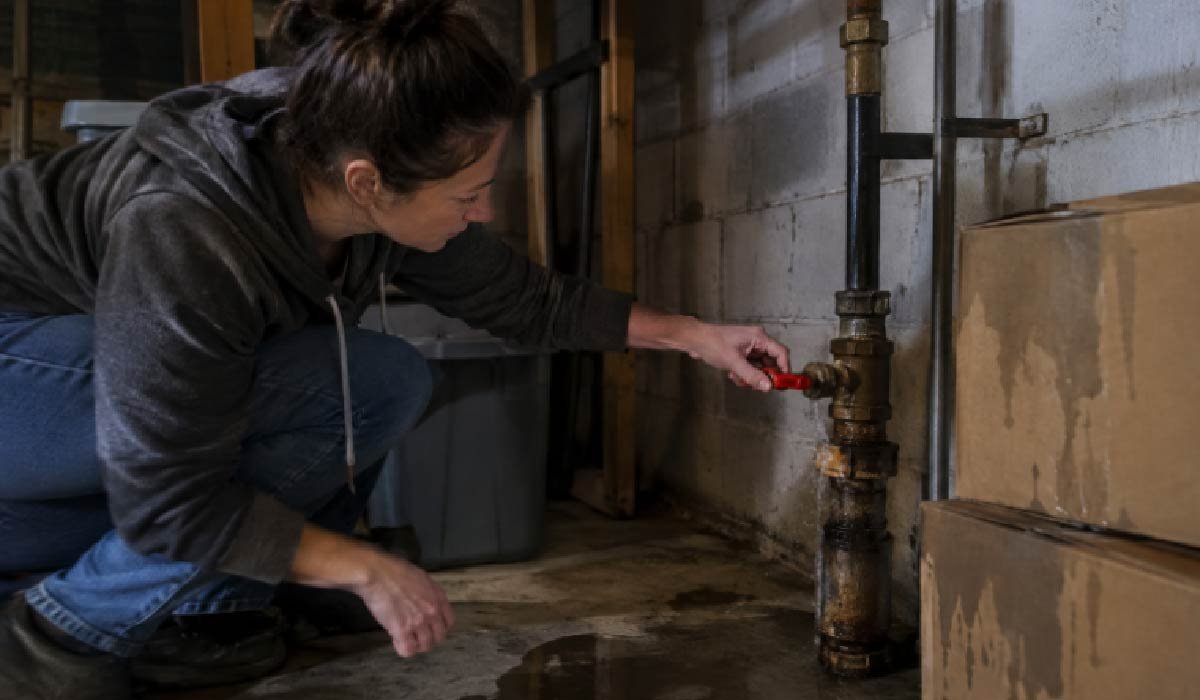
Water damage can move quickly through flooring, drywall, insulation, cabinets, and stored belongings, even when the visible puddle appears small. In Ottawa, a burst pipe during cold weather, a washing machine hose failure, a roof leak, or water entering a basement can turn into a larger cleanup issue if moisture is allowed to remain in place.
When the situation is safe, homeowners who need help with extraction, drying, and moisture assessment can consider 24/7 Ottawa water damage restoration from Firestone Restoration. The Ottawa-based, IICRC-certified restoration firm serves residential and commercial properties with water extraction, drying, dehumidification, and restoration support for leaks, floods, wet basements, and other urgent water losses.
Why the First Day Matters
The first 24 hours are about limiting additional damage while protecting the people in the home. Materials can look dry on the surface while water remains below the flooring, behind the baseboards, or inside the wall cavities. Prompt drying matters because the EPA advises drying water-damaged areas and belongings within 24 to 48 hours when possible to help prevent mould growth.
Use this checklist as a practical order of operations. Stop the water, identify hazards, document conditions, begin safe mitigation, and bring in qualified help when the damage goes beyond a small, clean, isolated spill.
Step One: Stop the Water Source
If the water is coming from a fixture, toilet, appliance, or exposed supply line, shut off the nearest valve if it can be reached safely. For a burst pipe or a failed appliance hose, the home’s main water shutoff may be the quickest way to stop the flow.
Not every source can be stopped immediately. Roof leaks, snowmelt seepage, stormwater, and foundation leaks may require temporary containment while conditions outside improve or a contractor can inspect the source. Call a plumber when the leak is hidden, pressurized, or unsafe to approach.
Step Two: Make the Area Safe
Do not walk through standing water near outlets, appliances, extension cords, or an electrical panel. Turn off the power at the breaker only if you can reach the panel without entering water. If electrical safety is uncertain, leave the area and seek professional assistance.
Also check for sagging ceilings, unstable flooring, broken glass, and contaminated water. Keep children, pets, older adults, and anyone with asthma or other breathing concerns away from the affected space. Never run a fuel-powered generator, heater, or pump indoors because it can create a carbon monoxide hazard.
Step Three: Document Before You Clean
Once immediate hazards are controlled, photograph the damage before moving or discarding items. Take wide shots of each room, close-ups of wet materials, and a slow video walkthrough. Capture water levels, the apparent source, damaged furniture, appliances, flooring, and personal belongings.
- Record when you discovered the damage.
- Note the suspected cause and when the water was shut off.
- Keep a list of calls made to insurers, plumbers, electricians, or restoration providers.
- Save receipts for emergency work, supplies, and temporary protective measures.
Documentation helps establish what happened and can make later conversations with an insurer more straightforward. Do not delay reasonable emergency measures simply to wait for an adjuster, but take photos first whenever it is safe to do so.
Step Four: Notify Your Insurer and Assess the Scope
Report the loss to your insurer as soon as possible after the area is safe. Ask what documentation is needed, whether emergency mitigation is covered, how the deductible applies, and whether damaged contents or temporary accommodations may be included under your policy. Coverage depends on the cause of the loss and the terms of the policy.
Arrange a moisture assessment when water has reached carpet, drywall, insulation, subflooring, or concealed spaces. Professionals may use moisture meters, thermal imaging, commercial air movers, and dehumidifiers to identify and dry materials that cannot be evaluated by touch alone.
Step Five: Remove Standing Water Carefully
Small amounts of clean water on hard, non-porous surfaces can often be removed with towels, mops, or a wet/dry vacuum designed for liquids. Never use a standard household vacuum on standing water. Move rugs, boxes, books, electronics, and loose belongings away from wet floors if doing so is safe.
Place foil or waterproof blocks beneath furniture legs where appropriate to reduce contact with wet flooring. Do not attempt do-it-yourself cleanup for sewage, drain backups, river water, or floodwater. Water of unknown quality may contain contaminants and should be handled with suitable protective measures and professional guidance.
Clean Water, Gray Water, and Black Water
- Clean water generally comes from a sanitary source, such as a broken supply line, before it contacts contaminants.
- Gray water may contain soap, food residue, or other pollutants from sources such as appliances or sinks.
- Black water includes sewage or heavily contaminated water, including some toilet backups and outside flooding.
Water conditions can worsen the longer materials remain wet. When contamination is suspected, avoid spreading the water through the home and seek qualified assistance.
Step Six: Begin Drying Without Spreading the Problem
Use controlled air movement and dehumidification after removing accessible water. Open windows only when outdoor conditions are drier than the indoor air. Avoid turning on central HVAC equipment if ducts, returns, or nearby building materials may be wet or contaminated.
Do not paint, caulk, seal, or install new finishes over damp surfaces. Those steps can trap moisture and conceal a problem that still needs to be corrected. A musty odour, warped material, staining, or recurring dampness can indicate moisture remains out of sight.
When Do-It-Yourself Cleanup Is Not a Good Fit
Professional help is the safer choice if the affected area is more than a small spill, water has entered walls or ceilings, electrical systems may be involved, the ceiling is sagging, or contaminated water is present. It is also advisable to call for help when moisture has reached insulation, subflooring, or other concealed materials.
Health Canada’s moisture and mould guidance identifies contaminated floodwater, suspected hidden mould, and flooding inside wall, ceiling, or floor cavities as situations that can require qualified professionals. Prompt assessment is especially important if a strong musty smell develops or occupants have respiratory concerns.
A Simple 24-Hour Action Plan
- First 15 minutes: Stop the water if safe, avoid electrical hazards, and keep people out of the affected area.
- First hour: Photograph conditions, notify the insurer, and contact emergency help when needed.
- Hours 1 to 4: Remove valuables and loose water safely, then protect furniture and belongings.
- Hours 4 to 12: Start controlled drying and arrange a moisture inspection for hidden or widespread damage.
- Hours 12 to 24: Monitor odours and dampness, retain records, and avoid rebuilding over wet materials.
Common Questions
Can I dry a small spill myself?
A small, clean spill on a hard surface may be manageable when it is removed and dried promptly. Water that reaches carpet, drywall, wood flooring, insulation, or wall cavities needs closer evaluation.
How long does water damage take to dry?
Drying time depends on the amount of water, affected materials, indoor humidity, temperature, ventilation, and the equipment used. Visible dryness does not prove that concealed building materials are dry.
Does homeowner’s insurance cover water damage?
Policies vary. Sudden plumbing failures may be handled differently from long-term leaks, sewer backups, neglect, or water entering from outside. Review the policy and confirm coverage directly with the insurer.
Focus on Safety, Speed, and Documentation
The best first-day response is straightforward: stop the source, protect people from hazards, document what happened, remove water safely, and begin thorough drying. Fast action can reduce secondary damage, while contamination, electrical concerns, structural issues, and hidden moisture are clear reasons to seek professional support.
