


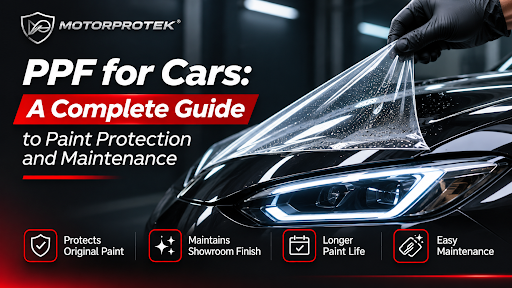
The paintwork on a car takes more of a battering than most owners realize. Every day driving takes its toll on the exterior with stone chips, road debris, scratches, bird droppings, and harsh sunlight. Without paint protection, a good car will gradually lose its original look. For those wanting to protect their car’s finish, paint protection film (PPF) is a practical way for drivers to reduce everyday wear and keep the exterior looking its best.
If you drive a family car or a premium car, knowing how PPF works, how to choose the right product, and how to maintain it can help you make a more informed decision.
What Is Paint Protection Film?
Paint protection film is a transparent or finish-specific film that protects painted surfaces of a vehicle. Today’s PPF film is made from thermoplastic polyurethane (TPU), a flexible material that can withstand everyday abrasion and minor impacts.
PPF protects paint physically from external hazards, unlike waxes or sealants. The product may also be coated with a heat-activated self-healing topcoat to minimize light scratches.
PPF is applied to high-impact areas such as the bonnet, front bumper, door edges, side mirrors, and front fenders. Full body coverage offers additional protection.
Why Should You Consider PPF?
Stone Chip & Scratch Protection Film
Small rocks and road debris can hit the car’s front at high speed, causing paint chips or scratches. PPF takes some of this impact and reduces minor surface damage.
A good film can help preserve the original paintwork and reduce cosmetic repairs, but it’s not damage-proof.
Barrier to Environmental Contamination
Bird droppings, insect residue, tree sap, and road grime can leave marks on paint if they stay on. PPF protects the paint, but contaminants should be removed immediately.
Other films don’t permit UV, so the paint doesn’t degrade. Protection is based on film quality and specifications.
Maintaining the look of the car
Paintwork that has been well cared for makes a car look new and better. PPF reduces daily imperfections, so the exterior stays cleaner longer.
If you own a car and are planning to sell, you might want to protect the original finish. A lot of things go into resale value, and PPF doesn’t guaranty you’ll get more for it.
Is PPF Matte?
Matte PPF is an alternative to glossy PPF for drivers who want satin or low-reflection finishes. Finish conversion film can protect compatible factory matte paint or change the appearance of glossy paint.
Matte finishes look good, but they do require care. Regular polishing compounds and waxes can cause uneven shine or change the look. A compatible matte film protects the finish of the car and keeps it looking good.
How to choose the right PPF film?
All products are not equal. Here are a few things to keep in mind before selecting a PPF film:
- Material Quality: TPU films are known for their flexibility and impact absorption. Look at the specs from the manufacturer, not the marketing specs.
- Finishes—Pick gloss, matte, or other finishes to match the look of your car and your taste.
- Durability, warranty: Inquire about life expectancy, warranty coverage, and exclusions. These will depend upon the product and installation conditions.
- Installer experience: Fit is king, especially on curved panels, edges, sensors, and complex bodywork.
- Budget and Coverage: It may be economical to cover selected high-impact areas rather than the entire vehicle. Your driving habits can help you determine the right choice.
Maintaining PPF After Installation
- Wash the car regularly. Use a mild automotive shampoo and a clean microfiber mitt. Do not use any harsh brushes, which could damage the film.
- Remove the contaminants as soon as possible. Don’t allow bird droppings, sap, or insect residue to remain on the surface for extended periods. Use a cleaner recommended by the film manufacturer.
- No nasty chemicals. Strong solvents or inappropriate cleaning agents can damage the topcoat or finish of the film. Make sure that the products are compatible.
- Watch out for pressure washers. Keep the nozzle at a safe distance, and do not direct high-pressure water on exposed film edges.
- Watch the movie now and then. Look for lifting, unusual discoloration, or damage, especially around the edges and high-impact areas. If there is a problem, ask the installer.
Do You Need Professional Installation?
Professional installation is highly recommended for the best finish. The paint has to be prepped, the film has to be applied correctly, and curves and edges have to be dealt with without trapping dust or causing visible imperfections. Under the film you can still see existing chips and scratches, so paint correction may be needed before.
Conclusion
If you’re a driver looking to shield your car’s paint from everyday dangers and prevent costly cosmetic repairs, then PPF is a wise investment. There are options for different finishes, budgets, and driving needs, from traditional clear protection to stylish matte PPF.
Choose the right product, work with an experienced installer, and follow the recommended maintenance schedule. Paint protection film can help your car look good for years if you care for it well and have realistic expectations.
