


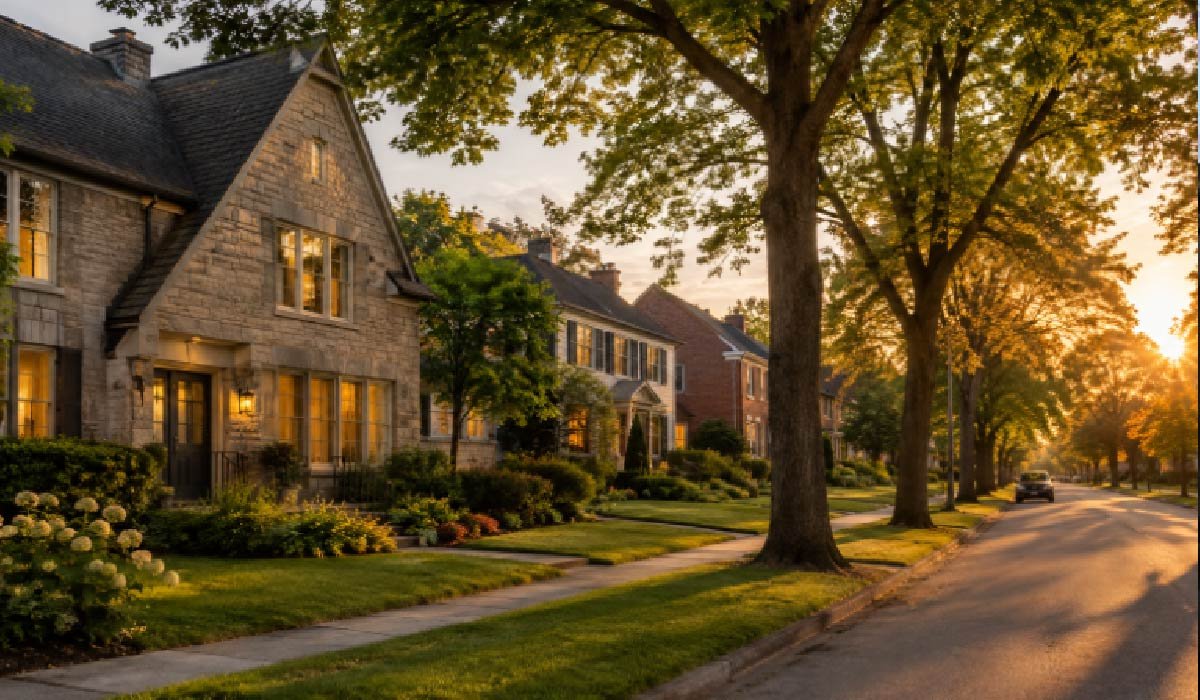
Buying in Birmingham, Michigan means choosing more than a house. It means choosing the streets, services, travel patterns, outdoor spaces, and routines that will shape ordinary days after closing. Birmingham Homes for Sale Listings from Meredith Colburn Real Estate provide a practical way to review active properties by location, price, and home style while comparing options across Birmingham and nearby Oakland County communities. The firm’s local search coverage also includes Bloomfield Township, Bloomfield Hills, Franklin, Royal Oak, and West Bloomfield, making it useful for buyers weighing Birmingham against nearby alternatives.
A listing can show attractive finishes and a well-staged room, but it cannot fully explain morning traffic, parking patterns, sidewalk access, nearby construction, or the feeling of a street on a winter evening. A deliberate neighborhood comparison helps buyers identify the setting that supports their real priorities, not just the home that makes the strongest first impression.
Why Neighborhood Fit Matters
A home can be renovated over time, but its surroundings are far harder to change. Street traffic, lot layout, distance to daily destinations, nearby commercial activity, and access to parks all affect the ownership experience. Birmingham is an Oakland County city along the Woodward Corridor, and its compact size combines residential blocks with a downtown shopping and dining district. A Birmingham, Michigan community profile offers helpful background for buyers beginning their local research.
Think beyond the showing. Ask whether the home’s location works when carrying groceries, walking a dog, hosting visitors, commuting in poor weather, or returning late in the evening. A beautiful property can still be the wrong choice if the surrounding routine creates stress.
Start With Daily Life
Before touring several neighborhoods, write down what a typical weekday looks like. List regular destinations such as work, schools, childcare, fitness facilities, grocery stores, medical offices, restaurants, and family members’ homes. Then decide what matters most: a shorter drive, a quieter street, access to downtown, room for remote work, or a manageable yard.
Questions to Consider
- How long is the commute during the hours you will actually travel?
- Would walking to coffee, dining, shops, or parks improve your routine?
- Do you need convenient access to major roads, parking, or public transportation?
- Will the home still work if household needs change in a few years?
- Is a lively location energizing, or would a calmer residential setting be a better fit?
Compare Housing Styles
Birmingham buyers may encounter older character homes, extensively renovated properties, condominiums, townhomes, and newer construction. Each can be a strong choice, but each requires a different review.
Older and Renovated Homes
Older homes may offer established landscaping, distinctive architecture, and mature streetscapes. They may also require close attention to roofs, drainage, insulation, windows, plumbing, electrical systems, and mechanical equipment. In a renovated home, look beyond the kitchen and baths. Request available permits, contractor information, warranties, and dates for major improvements.
Condos and Newer Construction
Condominiums and lower-maintenance homes can reduce exterior maintenance, but association dues, rules, reserve funding, and possible assessments should be included in the financial review. Newer homes may include modern systems and warranties, yet buyers should clarify what is included, what is an upgrade, and whether nearby construction is expected to continue after move-in.
Calculate the Total Cost
Purchase price is only the starting point. Build estimated monthly and annual budgets for each contender that include mortgage principal and interest, property taxes, homeowners insurance, association dues, utilities, repairs, landscaping, snow removal, parking, and commuting costs.
For example, two homes with similar sale prices may create different budgets if one has association dues and lower exterior maintenance, while the other has a larger yard, older systems, or a longer drive. Comparing the full picture can prevent a seemingly affordable home from becoming an uncomfortable monthly commitment.
Check Walkability and Access
Walkability is personal. A location close to downtown may be ideal for one household and less important to another. Test routes rather than relying on a general description. Walk or drive to the places you would use most, and consider sidewalks, crossings, lighting, traffic speed, hills, winter conditions, and available parking.
- Map regular destinations from the property.
- Try the trip at a realistic time of day.
- Notice how comfortable the route feels on foot, by bicycle, and by car.
- Check whether the home’s access pattern works for guests, deliveries, and everyday errands.
Review Schools, Parks, and Services
Verify community details through official sources rather than relying solely on listing remarks. The City of Birmingham maintains information on parks, public services, city departments, property information, and planning resources to help buyers research a specific address and its surroundings.
Families should confirm school assignment, transportation options, enrollment procedures, and program availability directly with the applicable district. All buyers can benefit from identifying nearby parks, libraries, healthcare providers, grocery options, recreation facilities, and services that may become more important over time.
Visit at Different Times
One showing rarely provides a complete picture. Return to each finalist neighborhood on a weekday morning, late afternoon, evening, and weekend. Those visits can reveal school and commuter traffic, demand for curb parking, typical street activity, lighting, and noise levels. If possible, also observe the area after rain or during winter conditions, when drainage, snow clearing, and travel patterns may be easier to assess.
Research Future Changes
Before making an offer, investigate what may change around the property. Review road work, utility projects, zoning proposals, redevelopment activity, and major nearby renovations. For homes near active construction, ask what phases remain and whether access, noise, or views could change. A future project is not automatically negative, but it should be understood before it becomes part of the ownership experience.
Build a Neighborhood Scorecard
A simple one-to-five score can make comparisons more objective. Score each neighborhood separately for the categories that matter most, then keep a separate list of deal-breakers.
- Budget: Purchase price, taxes, insurance, dues, and likely maintenance.
- Commute: Real travel time during normal work, school, and errand hours.
- Walkability: Access to sidewalks, shops, dining, parks, and daily services.
- Housing fit: Layout, condition, storage, parking, outdoor space, and renovation needs.
- Future flexibility: Suitability for changing household needs and potential resale appeal.
Final Buyer Checklist
- Set a realistic total housing budget.
- Separate must-haves, preferences, and deal-breakers.
- Compare three to five Birmingham-area locations.
- Test commutes and errands at normal travel times.
- Visit each finalist area more than once.
- Review ownership costs and association documents where applicable.
- Confirm school, city, and property details for the exact address.
- Research nearby developments and conduct a thorough inspection before finalizing an offer.
The right Birmingham neighborhood is the one that fits both everyday life and the home itself. Compare the property, the street, the surrounding services, and the total cost of ownership. A clear scorecard and a few well-timed visits can turn a rushed choice into a more confident decision.
