


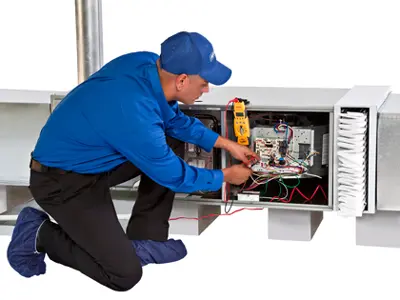
The first truly cold night often reveals a dormant furnace’s weak spots. You turn the thermostat to Heat, wait for the familiar hum, and get nothing, or only a few minutes of warmth, before everything shuts down. Before you assume the worst, a gas furnace’s startup sequence offers clear clues you can observe without tools. By paying attention to what runs and what does not, you can narrow the problem to airflow, ignition, or control issues and decide which simple checks you can do yourself and which conditions call for a technician. Here is a practical, safety-first way to read what your furnace is telling you.
-
What the Startup Sequence Reveals About the Fault
Most modern forced-air gas furnaces follow the same order. The thermostat calls for heat, the inducer motor starts to clear the heat exchanger, the pressure switch proves draft, the hot-surface igniter glows or a spark ignites, the gas valve opens, the flame sensor confirms a stable flame, and then the blower motor starts after a short delay. If the sequence stops early, the failed stage points to likely causes. If the inducer starts, but no ignition occurs, it can indicate a failed igniter or a pressure switch that never closed. If the burners light but the blower never runs, it points to a control board or blower capacitor issue. If these checks suggest you need service rather than a DIY fix, you can compare availability for Furnace repair in Roseville and schedule an appointment.
On the other hand, burners lighting and then shutting off after a minute often signal an airflow or flame-sensing problem. A clogged air filter, many closed supply registers, or a blocked return grille can overheat the heat exchanger and trip the high-limit switch. A dirty flame sensor will cause the control board to shut the gas valve because it cannot verify flame, even if the burners look fine. Observing exactly when the shutdown happens helps separate these two paths.
-
Matching Common Symptoms to Likely Causes
No heat and a repeated clicking sound without the igniter glowing suggests the pressure switch isn’t closing, often because of a blocked flue, cracked rubber tubing to the switch, or a condensate trap filled with debris in high-efficiency units. In that case, the control board never allows gas flow. Conversely, a bright igniter that immediately burns out again points to a fragile hot-surface igniter that has cracked with age and needs replacement rather than further cycling.
Short cycling, where the furnace starts, heats briefly, and shuts down repeatedly, typically traces to airflow. A 1-inch filter packed with dust can raise static pressure enough to overheat the heat exchanger and trip the limit switch. Another scenario is furniture pulled tight against a large return grille, starving the blower and causing the same limit trip. If you hear the blower running while the burners stay off, the system may be cooling down after a high-limit event, not a control failure.
-
Safe Checks Homeowners Can Do Before Scheduling Service
Start with the thermostat. Replace the batteries if it has them, confirm it is set to Heat, and set the fan to Auto rather than On while you test. Next, inspect the air filter. If you cannot see light through it or it is past its recommended change interval, replace it. Be mindful of the trade-off between filtration and airflow. Very high MERV filters capture more particles but can restrict airflow in systems with undersized returns or marginal ductwork. If your furnace has struggled with limit trips, you may need a filter that balances filtration with adequate airflow.
Open supply registers and make sure at least a few are fully open on every trunk line. Check that large return grilles are unobstructed by rugs or furniture. On condensing furnaces, verify the condensate drain line and trap aren’t kinked or clogged with sludge, which can prevent the pressure switch from closing. If you own a portable manometer, checking that the pressure switch sees the expected negative pressure during inducer operation is a useful data point, but do not attempt to bypass safety switches. Finally, listen at startup. The presence or absence of inducer hum, igniter glow, and blower engagement tells you which stage is failing.
-
When to Stop and Call a Technician
Shut down the furnace and call a professional if you smell gas, your carbon monoxide alarm sounds, the burner flames lift or roll out of the burner compartment, or you see water leaking inside the cabinet onto the control board. Loud bangs at ignition can indicate delayed ignition or excessive gas buildup and are not safe to troubleshoot without proper tools. Repeated high-limit trips after you have restored airflow also warrant a visit, because a weak blower capacitor, failing blower motor, or undersized return duct can recreate the problem even with a clean filter.
Persistent no-heat with a steady inducer and no ignition after several attempts points to control, ignition, or gas valve faults that require testing with a multimeter and manometer. If your furnace locks out and flashes a diagnostic code you do not recognize, save the code, power down at the switch, and leave further diagnosis to a technician. Safety controls are there for a reason. Bypassing a pressure switch or limit switch to “get through the night” risks heat exchanger damage and unsafe operation.
-
Preventing Repeat Breakdowns As Winter Continues
A clean filter is the easiest way to keep static pressure in check and protect the heat exchanger. For 1-inch filters in busy households, monthly inspection is wise during heavy heating use; many will need replacement far sooner than the packaging suggests. Keep supply registers and returns clear, and vacuum dust from return grilles that can mat over time. If you own a condensing furnace, flush the condensate trap as part of seasonal housekeeping so the pressure switch can prove draft reliably.
Consider how you set your thermostat. Deep setbacks can lead to longer, harder recovery cycles that expose weak igniters and borderline flame sensors. A moderate setback along with occasional continuous fan operation can help even out room temperatures without pushing the furnace into long high-heat runs. If you have had repeated issues with short cycling, ask a technician to measure external static pressure, inspect duct sizing, and verify blower speed settings. Small adjustments there prevent nuisance limit trips more effectively than repeated filter changes.
Observing your furnace’s startup order and knowing what each stage does can turn a confusing no-heat event into a clear action plan. Simple checks like setting the thermostat correctly, replacing a clogged filter, opening registers, and clearing a condensate trap solve a surprising number of problems without tools. When symptoms point to ignition, gas, or safety-control faults, stop and call a qualified technician. With a few minutes of focused observation and the right maintenance habits, you can reduce downtime and keep your home comfortable through the coldest nights.
